
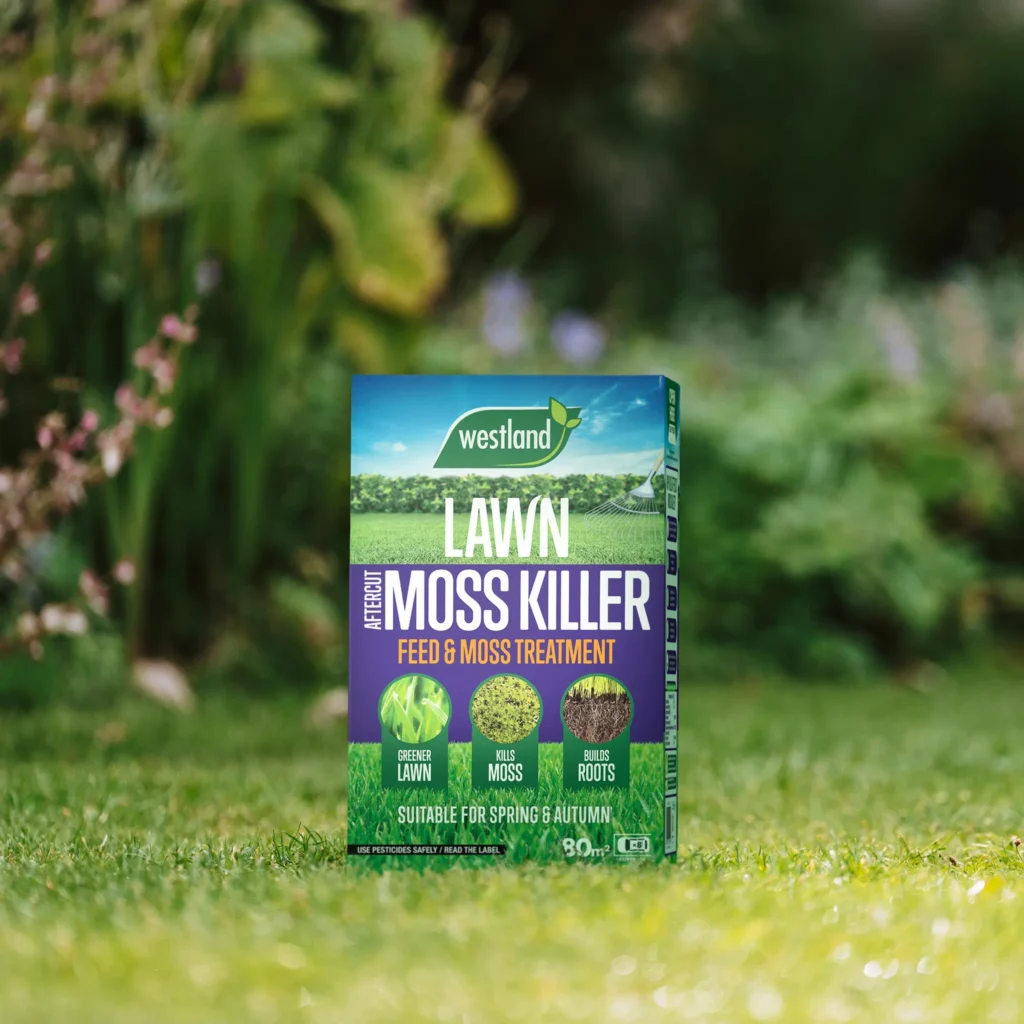
Moss on the lawn: how to remove it, prevent its growth, and keep your lawn healthy. From lawn care basics to specific treatments against moss.
Moss is a small plant without vascular tissue. There are approximately 10,000 different species of mosses, which can adapt to various environments, including lawns! Mosses represent one of the most common problems for lawns, especially when the garden does not receive sufficient sunlight and when the soil is deficient in nutrients. A weak lawn leaves more room for moss growth.
Why does moss grow on my lawn?
Mostly, the causes of moss growth on your lawn are linked to factors such as:
- Insufficient sunlight
- Weakening of the grass
- Poor air circulation under the ground
- Inadequate drainage of the soil
- Incorrect irrigation
Another important aspect of lawn care is irrigation. When the lawn is watered, it’s essential to ensure that there are no puddles of water, especially since dense soil can cause waterlogging.
Proper fertilization is also crucial for ensuring a healthy and compact lawn growth. A good quality of soil favors the well-being of grass, leading to a more lush and robust lawn. Weakness in the lawn allows mosses to grow and expand.
When does moss tend to proliferate most?
Moss tends to flourish during spring and autumn, as these two seasons are characterized by higher humidity. Let’s look at some practical tips for eliminating moss from your lawn.
Removing Moss from Your Lawn: Remedies and Advice
If there are trees and shrubs that create shaded areas, it’s recommended to trim the lower branches to allow more sunlight to reach the lawn.
Avoid using a rake or other ineffective methods to remove moss. Actively spreading spores further into the garden can cause more problems.
To regularly water your lawn in an even manner. When the grass grows densely and thickly, it will naturally block the growth of moss.
Moss must be eliminated using targeted treatments. You can only use mechanical means when the moss is limited to a small area on your lawn. Remove moss mechanically only when the growth is limited to a specific section of your lawn. If the growth occurs in scattered patches, zapping with a lawn mower may not work effectively. Instead, consider using a solution of solfate di ferro (iron sulfate) specifically designed for treating moss.
Using Iron Sulfate to Remove Moss from Your Lawn
Iron sulfate is a commercial fertilizer available as a powder or granule. It’s also used as an anti-moss treatment for lawns. In reality, it not only enhances the growth of your lawn but also causes the moss to dry out.
Once applied, the moss will dry out within a few weeks. The areas left empty by the removal of moss will need re-seeding to ensure a uniform and lush lawn.
You can purchase iron sulfate at agricultural cooperatives or online stores. On Amazon, there are several sellers who offer this product at competitive prices. Visit the following page for more information on price and products:
https://www.amazon.com/ Iron-Max-Paese-Greene-Solfato-Di-Ferro-Granulare-Prato-Rinverdente-Piante-Azione-Acidificante-Terreno
Preventing Moss Growth on Your Lawn
Maintaining a consistent lawn care routine that includes regular mowing of the grass at least once a week during the growing season is essential for maintaining a healthy and lush lawn.
Ensure that all clippings are removed from the lawn to prevent them from accumulating and creating shaded areas. Shade can prevent air circulation, which can lead to moss growth.
In spring, use a fertilizer specifically formulated with nitrogen (N).
In autumn, apply a fertilizer containing potassium (K).
During late summer, it’s recommended to reapply lime every 2-3 years as a granulated calcium-rich fertilizer supplemented with magnesium. This is not a true fertilization but rather a treatment for adjusting the pH of the soil.
Regularly apply iron sulfate treatments annually to prevent moss growth and maintain your lawn’s vigor.
Seeding Your Lawn After Removing Moss
Removing moss from your lawn requires seeding new grass in the areas left bare by the removal process. To ensure even growth, it’s essential to properly prepare the soil before seeding.
Before sowing, remove any surface debris by breaking up compacted layers of soil. Then, apply the recommended amount of seeds as indicated on the packaging and cover them with a layer of soil. Finishing off the process is a gentle watering of the lawn to ensure good germination.
Tips for Removing Moss from Small Areas
If you have only one or two areas of moss growth, consider using a specialized tool designed specifically for removing moss. These tools can be purchased online or at local gardening stores.
Another option is to use a mixture of baking soda and water to create a paste that can help kill the moss without harming your grass. Apply the paste directly to the affected area and let it sit for several hours before rinsing off with water.
Tips for Preventing Moss Growth in Specific Areas
If you have areas of your lawn where moss tends to grow more easily, such as under trees or near shrubs, consider taking steps to improve air circulation. This can be achieved by pruning nearby plants and removing any debris that may be blocking airflow.
Additionally, consider using a mixture of sand and perlite to create a well-draining soil mix. This can help prevent waterlogging in areas where moss tends to grow more easily.
Common Mistakes to Avoid When Removing Moss
Avoid using broad-spectrum herbicides or pesticides to remove moss from your lawn. These chemicals can damage the grass and other plants, as well as contaminate soil and waterways.
Also, avoid using rakes or other tools that may spread spores further into the garden, causing more problems.
By applying these strategies and tips for removing moss from your lawn, you’ll be well on your way to a healthy and lush lawn that will thrive for years to come.


