
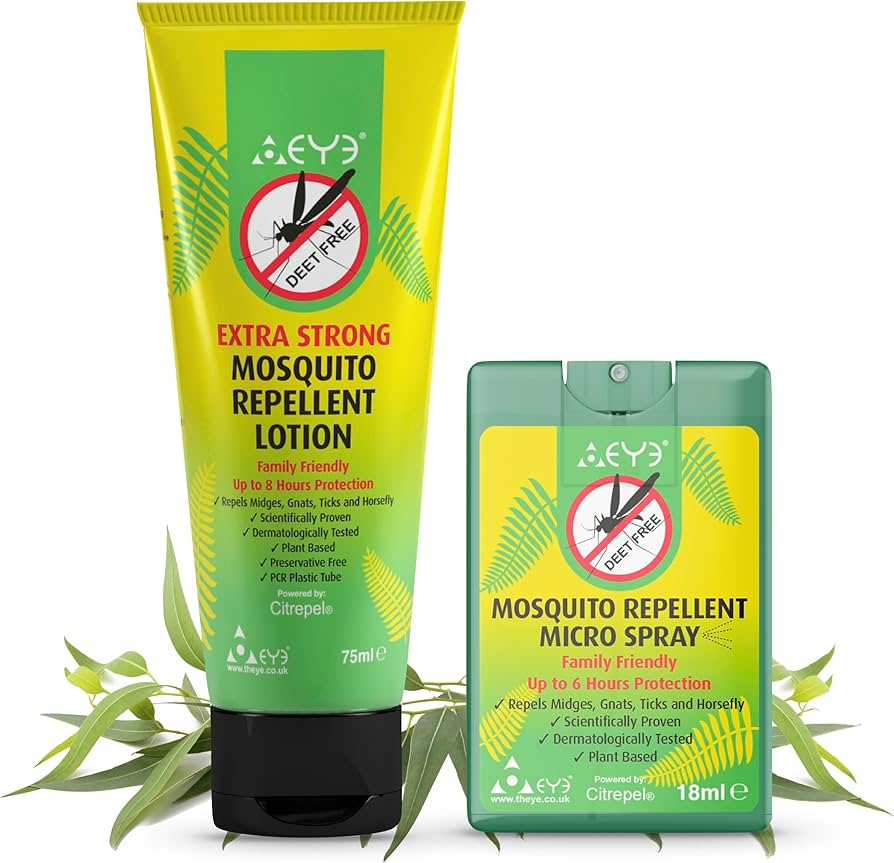
In recent years, insect repellents have become an essential tool for protecting ourselves from mosquito bites and other insects that can cause discomfort and transmit diseases. However, with the increasing demand for these products, their prices have skyrocketed, leaving many of us wondering if they are really worth it.
Understanding the Price of Protection
A 25ml bottle from a well-known brand can reach up to €10, which is quite expensive considering it as a cosmetic product. The cost of protection seems to be out of balance with the actual benefit provided by these products. In this article, we will explore the reasons behind the high prices of insect repellents and discuss whether they are worth the investment.
The Problem with Insect Repellents
Despite their widespread use, mosquitoes still exist and bite. Ten or twenty years ago, we didn’t mind getting bitten as much, but now we’re more sensitive to their bites. Our insect repellents aren’t just for protection; they also have a pleasant scent, making them almost like perfumes. This makes them an essential product for many of us.
The Psychology Behind the High Prices
There are several factors that contribute to the high prices of insect repellents. One major reason is the increasing demand for these products. As mosquitoes become more resistant to traditional pesticides and other control methods, people turn to insect repellents as a safer alternative. This increased demand drives up prices.
Another factor is the marketing and branding costs associated with producing and distributing these products. Insect repellents are often marketed as luxury items, with attractive packaging and advertising campaigns that appeal to consumers’ sense of style and well-being. These costs are reflected in the final price of the product.
The Cost of Ingredients
The real cost lies in the ingredients used in these products. The active ingredients are usually the same, and so are the essential oils that give our insect repellents their fragrance. This means that we’re paying more for the packaging, marketing, and other costs associated with producing these products.
However, not all insect repellent ingredients are created equal. Some products contain synthetic chemicals that have been linked to health problems, such as hormone disruption and skin irritation. These ingredients can be costly to produce and source, contributing to the high prices of some insect repellents.
A Balance Between Protection and Cost
So, what can we do? If you’re planning to go to areas where mosquitoes are a problem, it’s better to invest in a good quality insect repellent. A few euros extra for a product that is tested and proven effective is worth it. Even a day trip to the countryside or a park can be ruined by mosquito bites, making an effective spray essential.
The Case of Daily Insect Repellents
When it comes to daily use, we need something lighter to protect ourselves from mosquitoes. Here, a simple spray made with alcohol, water, and essential oils is enough. You can even make your own spray at home using citronella, geranium, or other essential oils that are known to repel mosquitoes.
The Risks of DIY Insect Repellents
However, making our own insect repellent at home comes with risks. Essential oils can be harmful if not used properly. They can penetrate the skin and cause allergic reactions or even interact with medications. So, it’s essential to use caution when using these products.
A Simple DIY Recipe for Insect Repellent Spray
Here’s a simple recipe for an insect repellent spray that you can make at home:
- 15g of alcohol (95°)
- 85g of distilled water
- 60 drops of citronella essential oil
- 60 drops of geranium essential oil
- Optional: eucalyptus, basil, thyme, peppermint, lavender, and patchouli essential oils
Mix the ingredients together in a container, close it, and agitate well. You can use this spray as needed, but be sure to shake it before each use.
Benefits of Making Your Own Insect Repellent Spray
Making your own insect repellent spray at home has several benefits. For one, it’s cost-effective. By using essential oils that are cheap to purchase and natural ingredients like water and alcohol, you can create a high-quality spray without breaking the bank.
Another benefit is that you have complete control over the ingredients used in your spray. This means that you can choose the safest and most effective ingredients for your skin type and needs.
Conclusion
In conclusion, while our insect repellents may seem expensive at first glance, they are an essential tool for protecting ourselves from mosquito bites. By choosing a good quality product or making your own spray at home, we can enjoy the great outdoors without worrying about annoying insects.
Frequently Asked Questions (FAQs)
- Why do insect repellents have to be so expensive?
Insect repellents often contain active ingredients that are costly to produce and source. - Can I make my own insect repellent spray at home?
Yes, you can make your own insect repellent spray using essential oils and other natural ingredients. - What’s the best way to use an insect repellent spray?
Use the spray as needed, shaking it well before each application. - Are all essential oils safe to use on the skin?
No, some essential oils can be harmful if not used properly. Always dilute them with a carrier oil or water and follow safety guidelines. - Can I use insect repellent sprays for both daily and outdoor use?
Yes, but choose a spray that is labeled as “daily” or “outdoor” to ensure it provides the right level of protection. - How long does an insect repellent spray last?
The duration of an insect repellent spray depends on the type of product, usage, and environmental conditions. - Can I reuse an empty bottle for making my own insect repellent spray?
Yes, you can repurpose an empty bottle by washing it thoroughly and filling it with your homemade insect repellent spray. - Are there any alternative methods to using insect repellents?
Yes, some people choose to use other natural methods, such as wearing protective clothing or staying indoors during peak mosquito hours.
Additional Tips for Using Insect Repellent Sprays
- Always read the label and follow instructions carefully.
- Choose a spray that is labeled as “daily” or “outdoor” to ensure it provides the right level of protection.
- Reapply the spray regularly, especially after sweating or swimming.
- Use a spray that contains DEET, picaridin, or oil of lemon eucalyptus for added protection against mosquitoes and other biting insects.
Final Thoughts
Insect repellents are an essential tool for protecting ourselves from mosquito bites. While they may seem expensive at first glance, choosing a good quality product or making your own spray at home can be cost-effective and convenient. By understanding the cost of production, ingredients, and benefits of making our own insect repellent spray, we can make informed decisions about how to protect ourselves from mosquitoes.


