
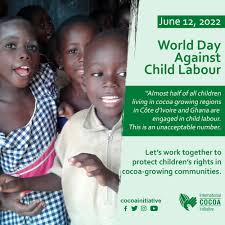
Have you ever stopped to think about what’s behind the delicious taste of your favorite chocolate bar or biscuit? When you indulge in a sweet treat, do you know what ingredients go into making it? For most consumers, reading labels and understanding the production process is not a priority. However, there are some who care deeply about knowing more.
Let’s take a closer look at one of the most popular ingredients in the world: cacao. This versatile bean is cultivated primarily in Africa, the Americas, and parts of Asia. Over 50% of raw cocoa comes from African regions. You might recognize some of these brands: Nestlé, Mars, and Mondelez? Who hasn’t enjoyed a KitKat, Snickers, or Milka bar at some point?
Interestingly, over 30% of global production is bought by companies like Nestlè, Mars, and Mondelez. According to Oxfam, this cocoa is often harvested in an unfair manner. The journey from cultivation to packaging, sale, and the struggles faced by women who work on cacao plantations are a pressing concern. It’s time for change.
The Unfair Truth About Cacao Production
Oxfam highlights three key issues:
- Unequal Pay: Women working on cocoa plantations often receive lower wages than their male counterparts.
- Land Ownership: Many women do not own the land they cultivate, despite dedicating their lives to farming.
- Lack of Training and Support: Women face barriers when trying to improve their working conditions or access education.
Oxfam does not advocate for a boycott of your favorite chocolate brand but instead encourages consumers to make more informed choices.
A Call to Action
To support the rights and well-being of cacao farmers, especially women:
- Check the Cocoa Source: Opt for brands that prioritize fair trade practices.
- Listen to Farmers’ Voices: Support organizations that amplify the voices of cocoa farmers.
- Advocate for Policy Change: Demand stronger regulations and better working conditions.
The Power of Consumer Choice
While large food companies hold significant power, consumers have the ability to drive change. By making conscious choices about what we buy, we can create a ripple effect that benefits those on the ground.
Conclusion
The next time you indulge in a chocolate treat, take a moment to consider the impact of your choice. Do your research, make informed decisions, and join the fight for fairer cocoa production practices.
Frequently Asked Questions (FAQs)
- What is fair trade cocoa?
- Fair trade cocoa refers to cocoa beans that are sourced from farms or cooperatives that meet specific social, environmental, and economic standards.
- How can I support fair trade cocoa farmers?
- Look for certifications like Fairtrade or Rainforest Alliance when purchasing chocolate products. You can also buy directly from farmers or cooperatives.
- What are some examples of companies that prioritize fair trade practices?
- Companies like Tony’s Chocolonely, Taza Chocolate, and Theo Chocolate have made significant commitments to fair trade and sustainable cocoa sourcing.
- How does fair trade impact the environment?
- Fair trade practices often involve more sustainable farming methods, reducing deforestation, and promoting biodiversity.
- Can I make a difference by buying chocolate bars from big companies?
- While larger companies may not always prioritize fair trade practices, some are taking steps in this direction. Supporting smaller brands or opting for certified fair trade options can be an effective way to create change.
- How do I know if the cocoa in my chocolate is sustainably sourced?
- Look for certifications like Rainforest Alliance or Fairtrade on the packaging. You can also contact the manufacturer directly to ask about their sourcing practices.
- Can fair trade cocoa make a significant impact on poverty reduction?
- Research suggests that fair trade cocoa production can have a positive impact on farmers’ incomes and local communities.
- What role can governments play in promoting fair trade practices?
- Governments can create policies and regulations that support fair trade, such as tax incentives for companies prioritizing fair trade sourcing.
By being more aware of the chocolate industry’s complexities, we can work together to create a better future for cocoa farmers and their communities.


