
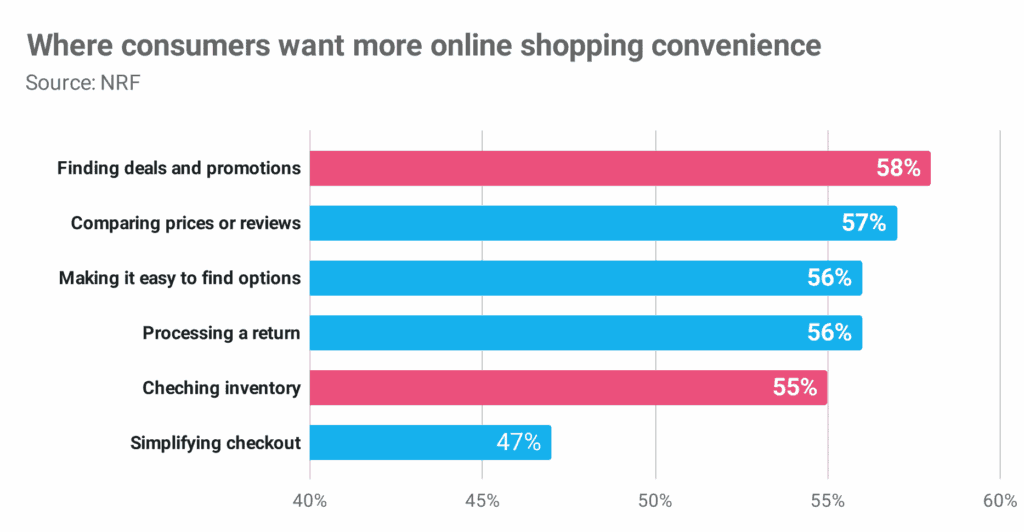
Is the way we shop changing? A recent study by Dell confirms that yes, it is. Today, 85% of internet users make at least some purchases online, although not all of them are frequent e-commerce shoppers. However, it’s not a straightforward relationship between the two. The growth of internet usage and the increasing popularity of smartphones and tablets have accelerated e-commerce.
The Growth of E-commerce
Dell predicts that global e-commerce sales will reach $1 billion by 2013, surpassing this milestone, the growth of e-commerce will no longer be slowed down. This prediction highlights the immense potential of online shopping and its impact on the retail industry. As internet usage continues to grow, online shopping is becoming an increasingly important aspect of modern commerce.
The rise of e-commerce has also led to the development of new business models and strategies for retailers. Many brick-and-mortar stores are now investing in their own e-commerce platforms, allowing customers to shop both online and offline. This shift towards omnichannel retailing has transformed the way businesses approach marketing, logistics, and customer service.
What’s Popular Online?
On the internet, you can find everything, including fresh produce, regional specialties, and hard-to-find items. However, online shoppers’ favorite products are books, movies, music, accessories, and clothing. The ranking of popular e-commerce products continues with computers and video games, followed by televisions and toys.
In terms of categories, e-commerce platforms like Amazon have revolutionized the way we shop for everyday essentials, household goods, and personal care products. The platform’s emphasis on customer reviews, fast shipping, and competitive pricing has made it a go-to destination for many online shoppers.
Less Popular But Potentially Lucrative
Online grocery shopping is still not widely adopted globally, but it has immense potential. According to a report by ResearchAndMarkets.com, the global e-grocery market is expected to reach $75 billion by 2025, with the United States and China driving growth.
Another area that’s gaining traction is online purchasing of household items, clothing, and sports equipment, where sensory experiences are crucial for the buying decision. For example, when shopping for a new TV or smartphone, customers often rely on reviews from other consumers to make an informed purchase decision.
A Word About Trust
An interesting finding from Dell’s research is that 37% of internet users have abandoned an online purchase after reading three or more negative reviews. This highlights how important product reviews are in making online purchasing decisions. Positive reviews, on the other hand, can significantly boost sales and brand reputation.
The Power of Reviews
According to Dell’s study, 62% of internet users rely on product reviews when making online purchases. Other factors that influence e-commerce shopping habits include comparing prices across websites and analyzing the competition (49% of respondents). Social media recommendations play a relatively minor role in online purchasing decisions, with only 21% of respondents citing social media as an important factor.
Social Media and E-commerce
While social media is not a major influencer of e-commerce purchases, it can still play a significant role in shaping brand reputation and driving sales. Many retailers use social media platforms to promote their products, engage with customers, and gather feedback. For example, companies like Sephora and Ulta have built massive followings on Instagram and Facebook, which they leverage to drive sales and promote new products.
Conclusion: The Future of E-commerce
The rise of e-commerce is transforming the way we shop, but it’s not a simple replacement for traditional brick-and-mortar stores. As internet usage continues to grow, online shopping will become increasingly important. With the right strategies and trust-building initiatives, e-commerce can reach new heights.
In fact, some experts predict that by 2025, half of all retail sales will take place online, with physical stores playing a more supportive role in the customer experience. This shift towards omnichannel retailing requires businesses to adopt flexible, adaptive strategies that balance the needs of both online and offline customers.
Frequently Asked Questions (FAQs)
Q: Is online shopping becoming more common?
A: Yes, according to a recent study by Dell, 85% of internet users make at least some purchases online.
Q: What products are most popular for online shopping?
A: Books, movies, music, accessories, and clothing are among the top e-commerce products.
Q: How important are product reviews in online purchasing decisions?
A: According to Dell’s research, 62% of internet users rely on product reviews when making online purchases.
Q: What factors influence e-commerce shopping habits?
A: Comparing prices across websites and analyzing competition are two key factors (49% of respondents).
Q: Is social media playing a significant role in e-commerce recommendations?
A: No, according to Dell’s study, social media recommendations play a relatively minor role in online purchasing decisions.
Q: How does the growth of internet usage affect e-commerce?
A: The increasing popularity of smartphones and tablets has accelerated e-commerce.
Q: What is the potential for online grocery shopping?
A: Online grocery shopping is still not widely adopted globally but has immense potential.
Q: Can e-commerce replace traditional brick-and-mortar stores?
A: No, online shopping is transforming the way we shop, but it’s not a simple replacement for traditional stores.
Case Studies
There are many examples of successful e-commerce businesses that have disrupted traditional retail models. One notable example is Amazon, which has revolutionized the way we shop for everyday essentials and beyond.
Another company that has successfully adapted to online shopping is Walmart. The retail giant has invested heavily in its e-commerce platform, offering a wide range of products with fast shipping options and competitive pricing.
The Role of Technology
Technology plays a crucial role in driving growth in the e-commerce sector. Some key technologies include:
- Artificial intelligence (AI) and machine learning (ML): These technologies enable businesses to offer personalized product recommendations, improve customer service, and streamline logistics.
- Blockchain: This technology has the potential to revolutionize supply chain management and inventory tracking, making it more efficient and transparent.
- Internet of Things (IoT): IoT devices can track consumer behavior and preferences, enabling businesses to create targeted marketing campaigns and improve the overall shopping experience.
Conclusion
The rise of e-commerce is transforming the way we shop, with online shopping becoming increasingly popular every year. As internet usage continues to grow, online shopping will become a major driver of retail sales, with physical stores playing a more supportive role in the customer experience.
With the right strategies and trust-building initiatives, e-commerce can reach new heights, providing consumers with greater convenience, choice, and access to products and services that meet their evolving needs. As businesses continue to adapt to this new landscape, they will need to prioritize innovation, customer service, and flexibility to succeed in an increasingly competitive market.


