
Introduction
Are you tired of eating the same old thing for breakfast, lunch, and dinner? While it may be convenient to stick to your usual routine, a diet that lacks variety can have serious consequences for our health. In this article, we’ll explore the benefits of a varied diet, the risks of a monotonous diet, and the specific condition known as Arpid.
The Benefits of a Varied Diet
Before we dive into the dangers of a monotonous diet, let’s talk about why variety is important. Research has shown that eating a diverse range of foods can have numerous health benefits. For example, a study published in Geriatrics and Gerontology International found that individuals with a varied diet had a 44% lower risk of cognitive decline compared to those who stuck to the same old routine.
But what exactly makes food so important for our brains? The answer lies in the nutrients we find in different types of cuisine. Proteins, such as those found in animal products and legumes, are essential for producing neurotransmitters that allow neurons to communicate with each other. Vegetables and fruits are rich in vitamins C and E, beta-carotene, and other antioxidants that help protect our brains from damage.
The Importance of Food Diversity
Food diversity is not just about trying new things; it’s also about eating a balanced diet that includes a wide range of foods from different food groups. A study published in the Journal of Nutrition found that individuals who ate a variety of fruits and vegetables had lower rates of chronic diseases such as heart disease, diabetes, and certain cancers.
In addition to the health benefits, eating a diverse diet can also have social and cultural advantages. Sharing meals with others is an important part of many cultures, and it can help us build connections with our community. When we stick to the same old foods, we may miss out on these opportunities for connection and growth.
The Risks of a Monotonous Diet
So, what happens when we don’t eat a varied diet? Not only can it lead to boredom and dissatisfaction with food, but it can also have serious consequences for our health. A monotonous diet can lead to nutrient deficiencies, weight gain, and even cognitive decline.
Some of the specific risks associated with a monotonous diet include:
- Nutrient deficiencies: Eating a limited range of foods can lead to deficiencies in essential vitamins and minerals.
- Weight gain: A diet that is high in processed foods and low in fruits and vegetables can lead to weight gain.
- Cognitive decline: Research has shown that eating a monotonous diet may increase the risk of cognitive decline, including Alzheimer’s disease.
Understanding Arpid
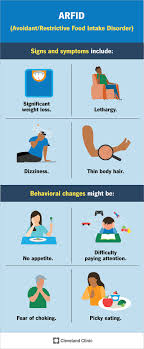
So, what exactly is Arpid? The term was coined in 2013 to describe this new eating disorder. Individuals with ARFID may avoid certain foods due to their taste, texture, or smell, rather than a desire to lose weight. This can lead to nutrient deficiencies and other health problems.
Children are often more willing to try new foods, but some may develop a strong aversion to certain types of cuisine. If this aversion becomes persistent and leads to significant weight loss, difficulties with growth and development, or the need for nutritional supplements, it’s time to seek professional help.
A Team Approach
Treatment for ARFID typically requires a team approach involving a pediatrician, neuro-psychiatrist, and psychologist. This multidisciplinary team can work together to identify underlying causes of the condition, develop a treatment plan, and provide ongoing support and guidance.
During adolescence, ARFID may present differently than in childhood. While it’s often associated with weight loss, it doesn’t necessarily coincide with anorexia nervosa. In fact, individuals with ARFID may simply avoid certain foods due to their taste or texture, rather than a desire to lose weight.
Breaking the Cycle
If left untreated, ARFid can lead to serious health problems and social difficulties. It’s essential to seek help if you’re concerned about your eating habits or those of a loved one. With the right treatment plan and support, it’s possible to break the cycle of restrictive eating and develop a healthier relationship with food.
Conclusion
In conclusion, while variety may be the spice of life when it comes to diet, it’s equally important for our health. A monotonous diet can lead to nutrient deficiencies, weight gain, and even cognitive decline. Understanding Arpid and seeking help if necessary can make all the difference in breaking the cycle of restrictive eating.
Frequently Asked Questions
- What is Arpid?
Arpid, also known as Avoidant Restrictive Food Intake Disorder (ARFID), is a specific type of eating disorder characterized by a restrictive diet that excludes many types of food. - How common is ARFID?
While there isn’t a lot of research on ARFID specifically, it’s estimated to affect around 1% of the population. - What are the symptoms of ARFID?
Symptoms may include avoiding certain foods due to taste, texture, or smell; significant weight loss; difficulties with growth and development; and nutrient deficiencies. - How is ARFID treated?
Treatment typically involves a team approach involving a pediatrician, neuro-psychiatrist, and psychologist. A treatment plan may include cognitive-behavioral therapy, nutritional counseling, and lifestyle changes. - Can ARFID be cured?
While there isn’t a cure for ARFID, with the right treatment plan and support, it’s possible to break the cycle of restrictive eating and develop a healthier relationship with food.
Additional Resources
- National Eating Disorders Association (NEDA) Hotline: 1-800-931-2237
- Academy of Nutrition and Dietetics (AND) – Find a Registered Dietitian in Your Area
- Eating Disorders Coalition (EDC)
Conclusion
In conclusion, a monotonous diet can have serious consequences for our health. Understanding Arpid and seeking help if necessary can make all the difference in breaking the cycle of restrictive eating and developing a healthier relationship with food. By promoting food diversity and seeking professional help when needed, we can take control of our health and well-being.
References
- “The Benefits of Food Diversity” (Journal of Nutrition)
- “The Risks of a Monotonous Diet” (Geriatrics and Gerontology International)
- “Avoidant Restrictive Food Intake Disorder: A New Eating Disorder” (Academy of Nutrition and Dietetics)
- “Treatment of Avoidant Restrictive Food Intake Disorder” (National Institute of Mental Health)
Disclaimer
This article is for informational purposes only. If you are concerned about your eating habits or those of a loved one, please seek professional help from a qualified healthcare provider.
Please note that the term “Arpid” was not widely recognized until 2020 when it became part of the Diagnostic and Statistical Manual of Mental Disorders (DSM-5) for eating disorders.


