
Introduction
The monk seal (Monachus monachus) is a unique and fascinating marine mammal that belongs to the family Phocidae. Unfortunately, it is one of the most endangered species in the world, with only around 700 individuals remaining. In this article, we will delve into the world of the monk seal, exploring its physical characteristics, behavior, habitat, and conservation status.
What is a Monk Seal?
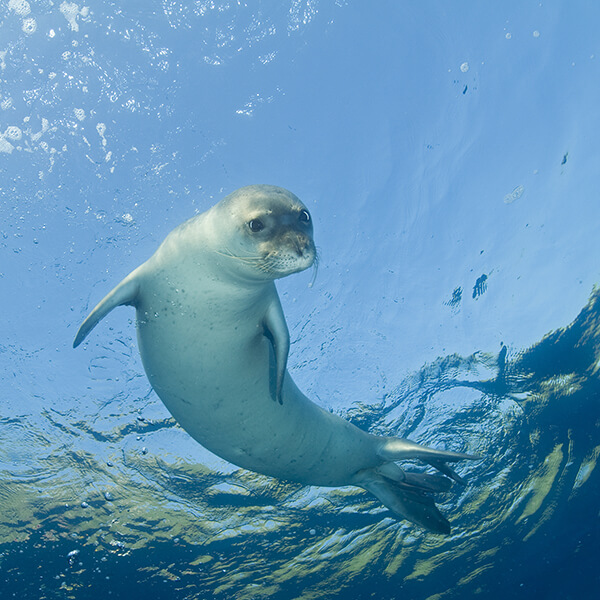
At first glance, there may not be a significant difference between the monk seal and other species of seals. However, upon closer inspection, you can notice that monk seals have a distinctive appearance. They have a sleek, elongated body, with a thick layer of blubber to keep them warm in cold water. Their skin is covered with a short, velvety fur, which helps to reduce drag and prevent slipping on rocky surfaces.
Coloration
The coloration of the monk seal’s fur varies depending on its sex. Males tend to have a darker coat, while females have a more mottled brown or gray color. The belly area often has a lighter hue, with males sometimes displaying a white patch. This unique coloration helps them blend in with their surroundings and avoid predators.
Physical Characteristics
Monk seals have several distinct physical features that set them apart from other species of seals. Their flippers are long and thin, perfect for propelling themselves through the water. The rear flippers are connected to form a single paddle, allowing them to maneuver efficiently underwater. Adult monk seals can grow up to 240 cm (7.9 ft) in length and weigh between 80-320 kg (176-705 lb), with females generally being smaller than males.
Habitat
The monk seal’s primary habitat is the Mediterranean Sea, where they can be found along coastlines, including the Greek Islands, Cyprus, Israel, Jordan, Lebanon, Libya, Malta, Monaco, Palestine, Portugal, Slovenia, Spain, Syria, Tunisia, and Turkey. They also inhabit parts of the Atlantic Ocean and the Caribbean Sea.
Behavior
Monk seals are skilled swimmers, spending most of their time in the water. However, they often emerge onto rocky shores or sandy beaches to rest, give birth, or nurse their young. During this period, females will typically return to the shore for several weeks before returning to sea. Monk seals are also known to be social animals and have been observed swimming together in groups.
Reproduction and Lifespan
Monk seals are polygynous, with males competing for mating rights. Females give birth to a single pup per year, which is born after a gestation period of approximately 12 months. Newborn pups weigh around 20 kg (44 lb) and develop rapidly, reaching maturity at around 4 years old.
Conservation Status
The monk seal is listed as Endangered on the IUCN Red List due to habitat loss, entanglement in fishing gear, and disease. Efforts are underway to protect their habitats and monitor populations, but more needs to be done to ensure the long-term survival of this unique species.
Threats to Monk Seal Populations
Several threats are facing monk seal populations, including:
- Habitat loss and degradation: The Mediterranean Sea is experiencing increasing pollution, overfishing, and coastal development, which is reducing the availability of suitable habitats for monk seals.
- Entanglement in fishing gear: Monk seals can become entangled in fishing nets and lines, which can cause injury or death.
- Disease: Monk seals are susceptible to various diseases, including a viral infection that has been affecting populations in recent years.
- Climate change: Rising sea temperatures and acidification are affecting the availability of food for monk seals, as well as their habitats.
Conservation Efforts
Several organizations and governments are working together to protect the monk seal and its habitat. Some of the conservation efforts include:
- Habitat protection: Marine protected areas have been established in several countries to provide a safe haven for monk seals.
- Research and monitoring: Scientists are studying the behavior, population dynamics, and genetics of monk seals to better understand their needs and develop effective conservation strategies.
- Education and outreach: Educational programs are being implemented to raise awareness about the importance of protecting monk seal habitats and reducing pollution.
Ionas: A Rescue Story
In 2017, a young monk seal named Ionas was found stranded on a beach in Greece. Thanks to the efforts of a local conservation organization, Ionas received medical treatment and rehabilitation at the Attica Zoological Park. After being released back into the wild in February 2018, Ionas returned to his natural habitat, where he continues to thrive.
Conclusion
The monk seal is a fascinating creature that continues to captivate scientists and enthusiasts alike. However, their declining numbers highlight the need for urgent conservation action. By supporting organizations dedicated to marine conservation and protecting habitats, we can help ensure the long-term survival of this incredible species.
Frequently Asked Questions
- Q: What is the main threat to monk seal populations?
A: Habitat loss, entanglement in fishing gear, and disease are the primary threats to monk seal populations. - Q: How many monk seals are left in the wild?
A: There are approximately 700 individuals remaining in the wild. - Q: What is unique about a monk seal’s fur?
A: Monk seals have a short, velvety fur that helps reduce drag and prevent slipping on rocky surfaces. - Q: How long do monk seals live in the wild?
A: Adult monk seals typically live between 20-30 years in the wild, although some individuals may reach up to 40 years. - Q: What is the main reason for the decline of monk seal populations?
A: Habitat loss and degradation are the primary reasons for the decline of monk seal populations.
Sources
- IUCN Red List
- Marine Conservation Institute
- National Oceanic and Atmospheric Administration (NOAA)
- Greek Ministry of Environment and Energy
- International Union for Conservation of Nature (IUCN)


