
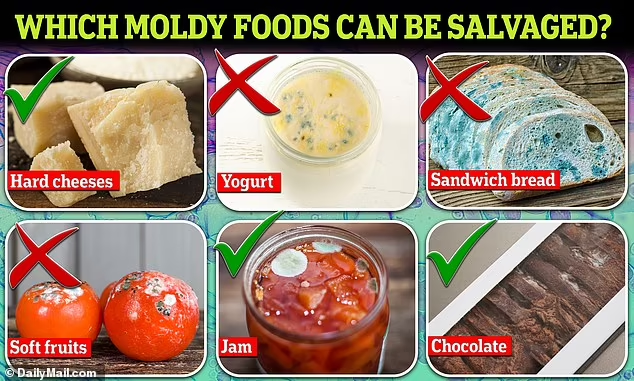
In today’s era of reducing food waste, we often find ourselves faced with the dilemma of what to do with canned goods that have developed mold. While it may seem daunting, maintaining a balanced approach is crucial in distinguishing between safe and unsafe foods.
The Importance of Food Safety
Food safety is a critical aspect of our daily lives, as consuming contaminated or spoiled food can lead to serious health issues, including food poisoning and other illnesses. When it comes to canned goods with mold, it’s essential to take the right steps to ensure your safety and the quality of your food.
Canned Goods with Mold: What to Do
Before considering whether a food item with mold is safe for consumption, it’s essential to prevent the growth of mold in the first place. While we can’t completely stop the process, being mindful of our shopping habits and storing practices can significantly reduce the likelihood of encountering moldy foods.
Mold is essentially a collection of microscopic fungi that grow on various surfaces, including food, containers, and other objects. It thrives in damp environments with optimal temperatures between 15°C to 30°C (59°F to 86°F) and humidity levels above 65%. By being more organized and mindful of our storage methods, we can minimize the risk of encountering moldy foods.
Identifying Mold on Canned Goods
Identifying mold on canned goods can be a challenging task, especially if you’re not familiar with the different types of mold that can affect food. Here are some common signs to look out for:
- White or light-colored mold: This type of mold is often found on fruits and vegetables.
- Pinkish or reddish-brown mold: This type of mold is commonly associated with grains, cereals, and legumes.
- Greenish-blue mold: This type of mold can grow on various foods, especially those high in carbohydrates and proteins.
- Greenish-yellow mold: This type of mold typically found on refrigerated foods like fruits and vegetables.
Canned Goods with Mold: Which Ones Can Be Consumed
When evaluating whether a canned food item is safe for consumption, it’s vital to assess its characteristics and potential risks. Not all molds are toxic or hazardous to human health. For instance, some mushrooms have been used to produce life-saving antibiotics like penicillin. Conversely, certain mold species contain toxins known as mycotoxins that can cause gastrointestinal issues and other health problems if ingested.
To determine whether a canned food item with mold is safe to eat, consider the following factors:
- The type of mold present
- The extent of mold growth
- The food’s storage conditions
- Personal allergies or sensitivities
If in doubt, it’s always best to err on the side of caution and discard the affected food item.
Types of Food-Contaminating Molds
Mold can affect various types of food, including fruits, vegetables, meats, dairy products, and even grains. Each type of mold has distinct characteristics, such as color, texture, and growth patterns. By understanding these differences, you can better identify potential threats to your health.
Some common types of mold found on food include:
- Monilia fructigena/sitophila: A white or light-colored mold often found on fruits.
- Fusarium: A pinkish or reddish-brown mold commonly associated with grains, cereals, and legumes.
- Aspergillus: A greenish-blue mold that can grow on various foods, especially those high in carbohydrates and proteins.
- Cladosporium herbarium: A greenish-yellow mold typically found on refrigerated foods like fruits and vegetables.
Preventing Mold Growth in Food
To minimize the risk of encountering moldy foods, follow these simple tips:
- Store food in a well-ventilated area with controlled temperatures.
- Use airtight containers to keep food fresh.
- Regularly inspect stored food for signs of mold or spoilage.
By adopting these practices and being mindful of your surroundings, you can significantly reduce the likelihood of encountering moldy foods.
Food Safety Tips
To ensure food safety and prevent mold growth on canned goods, follow these additional tips:
- Check expiration dates: Always check the expiration date before consuming a canned good.
- Store food properly: Keep canned goods in a cool, dry place away from direct sunlight.
- Handle with care: Always handle canned goods with clean hands and utensils to prevent cross-contamination.
- Inspect for damage: Regularly inspect canned goods for signs of damage or leakage.
By following these simple tips, you can significantly reduce the risk of encountering moldy foods and maintain a balanced approach to food safety.
Conclusion
Food safety is a critical aspect of our daily lives, and understanding how to manage canned goods with mold is essential. By being mindful of your shopping habits and storing practices, identifying signs of mold, evaluating potential risks, and following simple tips for preventing mold growth, you can significantly reduce the risk of encountering moldy foods.
Always err on the side of caution when it comes to food safety, and discard any affected food items to ensure your health and well-being.


