
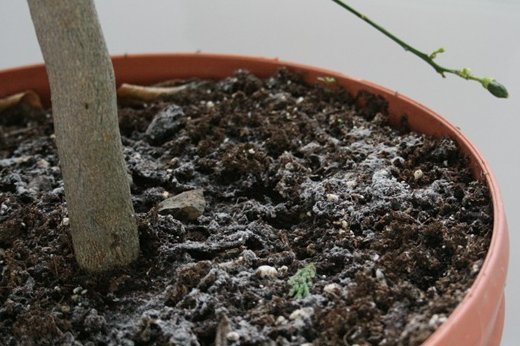
As we tend to our plants, it’s not uncommon to notice a layer of fungal growth on the soil. This can occur in specific conditions such as high humidity, low light, and poor ventilation. Human errors, like overwatering or using poorly draining soil, can also contribute to fungal growth.
When Does Fungal Growth Occur?
Fungal growth often takes place during the winter months when we leave our plants indoors, away from direct sunlight, and water them excessively. The moisture in the pot, combined with stagnant air, makes it difficult for water to evaporate, creating an ideal environment for fungi to thrive. However, fungal growth can occur at any time of the year, even outdoors.
What is Fungal Growth?
Fungal growth on soil can be a minor issue for plant health, but if left unchecked, it can weaken and disfigure plants over time. Understanding the causes and prevention methods can help us protect our plants from this common problem.
Reducing Watering and Improving Drainage
The first step in addressing fungal growth is to reduce watering and ensure the soil dries out thoroughly between waterings. This will prevent excessive moisture from accumulating on the soil, creating an environment conducive to fungal growth.
Removing Affected Soil
To remove fungal growth from the soil, you can try the following methods:
- Remove the top layer of soil containing the fungus and replace it with fresh, dry soil that drains well.
- Use a spoon to gently remove only the surface layer of soil, taking care not to damage plant roots.
Adding a Layer of Absorbent Materials
Once you’ve replaced the affected soil with a lighter, drier variety, consider adding a thin layer of materials that absorb excess moisture, such as perlite or expanded clay.
Invasive Solutions: Using Fungal Growth Products
For more severe cases, you can use specialized products designed to combat fungal growth. These products are available at gardening stores and can be applied according to the manufacturer’s instructions.
Key Takeaway: Watering Precautions
To prevent fungal growth from occurring in the first place, it’s essential to be mindful of your watering habits. Avoid overwatering, which can lead to riddled soil and stressed plants.
By taking these steps, you can protect your plants from fungal growth and ensure their health and well-being.
Frequently Asked Questions
- What causes fungal growth on soil?
Fungal growth on soil is often triggered by high humidity, low light, poor ventilation, overwatering, or using poorly draining soil. - How do I prevent fungal growth from occurring in the first place?
To prevent fungal growth, reduce watering, improve drainage, and avoid overwatering. - What is the best way to remove fungal growth from the soil?
You can try removing the top layer of soil containing the fungus and replacing it with fresh, dry soil that drains well. - Can I use a single solution to treat fungal growth on my plants?
While some products are designed to combat fungal growth, more severe cases may require a multi-faceted approach, including improving drainage and reducing watering. - How often should I water my plants during the winter months?
Water your plants sparingly during the winter months, making sure the soil has a chance to dry out between waterings. - Can fungal growth be prevented outdoors as well?
While fungal growth is more common indoors, it can occur outdoors under conditions like high humidity or poor drainage.
Why Fungal Growth Can Affect Plants
Fungal growth on soil can have various effects on plants, including:
- Weakening plant roots: Fungi can infect the roots of plants and cause them to become weak.
- Disfiguring leaves: Fungal infections can also cause leaves to turn yellow or black, leading to a loss of color and vitality in the plant.
- Reducing growth: Over time, fungal growth can slow down or even stop plant growth.
Preventing Re-Infestation
To prevent re-infestation, it’s essential to maintain good hygiene practices. This includes:
- Disinfecting tools: Regularly clean your gardening tools and equipment with a disinfectant to eliminate any fungi.
- Removing debris: Clear away any debris or dead plant material from the soil to reduce the risk of fungal growth.
Conclusion
Fungal growth on soil is a common issue that can be addressed through simple measures like reducing watering, improving drainage, and using specialized products. By being mindful of our watering habits and taking proactive steps to prevent fungal growth, we can create a healthy environment for our plants to thrive in.
Q\&A
- What are some signs of fungal growth on soil?
Signs of fungal growth include white, cotton-like patches or threads on the surface of the soil. - How do I know if my plant has fungal growth?
If you notice white patches or threads on your plant’s leaves or stems, it may be a sign of fungal growth. - Can fungal growth affect plant roots?
Yes, fungal growth can weaken and damage plant roots over time.


