
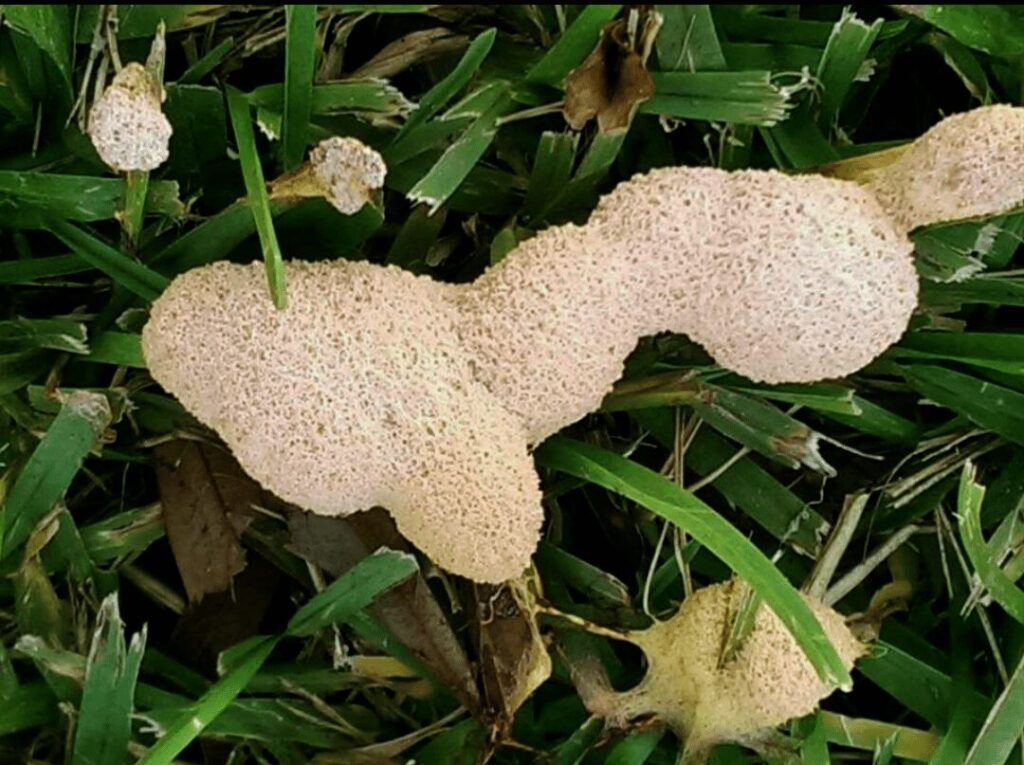
Fungal infections can be a significant problem for gardeners, causing damage to plants and reducing yields. In this article, we will delve into the world of fungus, exploring its types, causes, and solutions.
The Hidden Dangers of Fungus in Your Garden
As you work in your garden, it’s essential to recognize that fungus can be a silent killer. These microorganisms can thrive in damp conditions, feeding on plant matter and causing irreparable harm. The most common fungal infections include grey mould and white mould, which can quickly spread and devastate entire crops.
Fungal infections are often overlooked, but they can have devastating consequences. For example, a single outbreak of grey mould can destroy an entire crop, leaving you with little to harvest from your hard work. Similarly, white mould can cause plants to become stunted and discolored, leading to reduced yields and lower quality produce.
Why Fungus Thrives in Your Garden
Fungus thrives in environments with high humidity, overcrowding, and poor air circulation. When your garden is densely planted, fungus can easily take hold, feeding on the excess moisture and nutrient-rich soil. To prevent fungal infections, it’s crucial to maintain good garden hygiene practices.
Some common conditions that create an ideal environment for fungi include:
- Overcrowding: When plants are too close together, they compete for resources such as water, nutrients, and light.
- Poor air circulation: When air is unable to circulate freely, it can lead to a buildup of moisture, creating an ideal environment for fungus to thrive.
- High humidity: When the air is too humid, it can create a breeding ground for fungi.
Preventing Fungal Infections
By taking proactive steps, you can prevent fungal infections from taking hold in your garden:
- Reduce plant density: Give each plant sufficient space to breathe and allow air to circulate around them.
- Improve drainage: Ensure that excess water is drained away from the soil to reduce moisture levels.
- Maintain good hygiene practices: Regularly inspect your plants for signs of infection, and take action promptly if you notice any issues.
The Importance of Air Circulation
Good air circulation is essential in preventing fungal infections. When plants are overcrowded or trapped in a humid environment, fungus can easily spread. To promote healthy air circulation:
- Plant trees or shrubs: These provide shade, break up wind patterns, and improve air flow.
- Use crop rotation: Rotate your crops to maintain a diverse garden ecosystem.
Common Fungal Infections
Some of the most common fungal infections include:
- Grey Mould: Caused by fungi that thrive in damp environments, grey mould can quickly spread across plants, causing irreparable damage.
- White Mould: A type of fungus that feeds on plant matter, white mould can be a significant problem for gardeners.
How to Identify Fungal Infections
Identifying fungal infections can be challenging, but there are several signs to look out for:
- Macular lesions: Small, circular patches on the leaves or stems of plants.
- White or grey powder: A fine powder covering the leaves or stems of infected plants.
If you suspect a fungal infection, it’s essential to take action promptly. Here are some steps you can follow:
- Inspect your plants: Look for signs of fungal infections, such as macular lesions or white/grey powder.
- Isolate the affected plant: Remove the infected plant from the rest of the garden to prevent further spread.
- Treat with fungicides: Use copper-based or organic fungicides to treat the infection.
Treating Fungal Infections
While it’s essential to prevent fungal infections, there are also treatments available to address existing issues:
- Copper-based fungicides: Effective against a wide range of fungi, copper-based fungicides can be used to treat fungal infections.
- Organic fungicides: Made from natural ingredients, organic fungicides offer an alternative approach to chemical treatments.
Conclusion
Fungal infections can be a significant problem for gardeners, but by understanding the causes and taking proactive steps, you can prevent these issues from occurring. By maintaining good hygiene practices, promoting air circulation, and recognizing signs of infection, you can keep your garden healthy and thriving.
By incorporating these strategies into your gardening routine, you’ll be better equipped to manage fungus in your garden and enjoy a bountiful harvest.


