
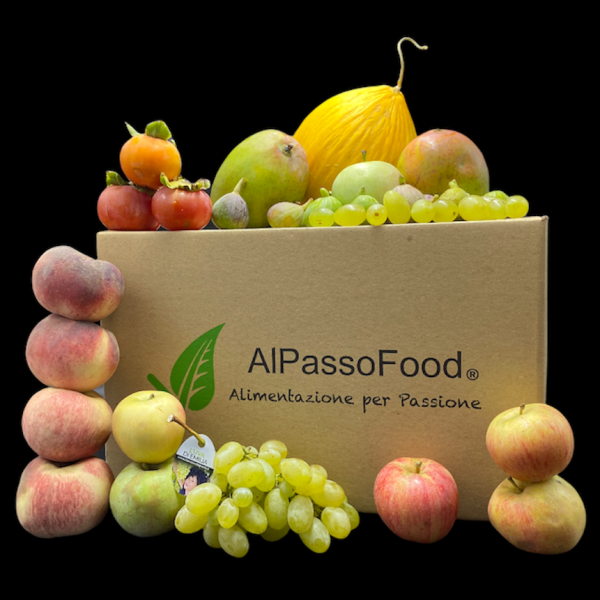
As the demand for zero-kilometer food continues to grow, cities like Rimini and Torino are taking note. But Modena is leading the way, with a network of free delivery services bringing fresh produce directly from local farmers to consumers’ doors.
What is Zero-Kilometer Food?
Zero-kilometer food refers to the growing trend of consuming food that has been produced within a short distance of its final destination. This approach aims to reduce carbon emissions, support local economies, and promote direct relationships between producers and consumers. By cutting out intermediaries like large distributors and supermarkets, zero-kilometer food ensures that farmers receive fair compensation for their products, while consumers get access to fresh, high-quality produce.
The Frutti da Favola Model
In Modena, a group of local farmers has come together to form Frutti da Favola, an innovative platform that enables direct sales from producers to consumers. By eliminating middlemen and reducing packaging waste, Frutti da Favola offers customers a genuine product that differs from the mass-produced industrial food we’re accustomed to. Local farmers deliver their produce directly to customers’ homes, ensuring a fair deal for both parties.
Benefits of Zero-Kilometer Food
By choosing zero-kilometer food, consumers can enjoy numerous benefits:
- Freshness: Produce is picked at its peak ripeness and delivered quickly, reducing spoilage and ensuring optimal flavor.
- Quality: Local farmers prioritize quality over quantity, resulting in fresher, more nutritious produce.
- Supporting local economies: Zero-kilometer food promotes regional development by putting money directly into the pockets of local farmers.
- Environmental benefits: Reduced transportation and packaging minimize carbon emissions and waste.
How Does Frutti da Favola Work?
Frutti da Favola’s model is straightforward:
- Weekly deliveries: Fresh produce is delivered to customers’ homes every week, ensuring a steady supply of fresh food.
- No intermediaries: Customers interact directly with farmers, eliminating middlemen and reducing waste.
- Payment options: Customers can pay at the time of delivery or online, minimizing administrative costs.
Benefits for Consumers
Choosing zero-kilometer food has several advantages for consumers:
- Convenience: Fresh produce is delivered right to their doors, saving time and effort.
- Quality control: Customers have direct access to farmers, allowing them to inspect the produce before purchasing.
- Environmental awareness: By choosing local, seasonal produce, customers contribute to reducing carbon emissions and supporting sustainable agriculture.
The Impact on Local Economies
Frutti da Favola’s model has a positive impact on local economies:
- Job creation: Farmers benefit from fair compensation for their produce, creating new job opportunities.
- Regional development: Zero-kilometer food promotes regional growth by investing in local infrastructure and supporting small-scale agriculture.
Conclusion
As the demand for zero-kilometer food continues to grow, cities like Modena are leading the way. By promoting direct sales from producers to consumers, Frutti da Favola is revolutionizing the way we think about food production and consumption. With its focus on freshness, quality, and environmental sustainability, this innovative model has the potential to transform the way we eat.
Frequently Asked Questions
- What does zero-kilometer food mean?
- Zero-kilometer food refers to food that is produced within a short distance of its final destination.
- How does Frutti da Favola work?
- Customers receive weekly deliveries from local farmers, eliminating middlemen and reducing waste.
- What benefits do consumers gain from choosing zero-kilometer food?
- Consumers enjoy freshness, quality, and environmental sustainability while supporting local economies.
- Can I choose what produce I receive?
- Yes, customers can select the types of produce they’d like to receive each week.
- How does Frutti da Favola benefit farmers?
- Farmers receive fair compensation for their produce, creating new job opportunities and promoting regional growth.
By embracing zero-kilometer food, we can create a more sustainable and equitable food system that benefits both producers and consumers.
The Benefits of Zero-Kilometer Food
Zero-kilometer food has numerous benefits for the environment, local economies, and consumers. Some of the key advantages include:
- Reduced carbon emissions: By transporting produce locally, we reduce our carbon footprint.
- Supporting small-scale agriculture: Zero-kilometer food promotes sustainable agriculture by investing in local farmers’ practices.
- Increased food security: By promoting regional development, zero-kilometer food increases access to fresh produce for consumers.
The Role of Technology
Technology plays a vital role in the success of zero-kilometer food initiatives like Frutti da Favola. Some ways technology is used include:
- Digital platforms: Online platforms facilitate direct sales from producers to consumers, reducing administrative costs.
- Logistics management: Advanced logistics systems ensure efficient delivery and reduce packaging waste.
The Future of Zero-Kilometer Food
As the demand for zero-kilometer food continues to grow, we can expect to see more innovative solutions emerge. Some potential future developments include:
- Increased adoption: More consumers and businesses adopt zero-kilometer food practices.
- Expansion into new markets: Zero-kilometer food initiatives expand beyond Modena and into other regions.
- Improved supply chain management: Technology-enhanced logistics systems optimize the supply chain.
Conclusion
As we look to the future, it’s clear that zero-kilometer food will play an increasingly important role in shaping our food system. By embracing this innovative approach to food production and consumption, we can create a more sustainable and equitable food system for all.


