
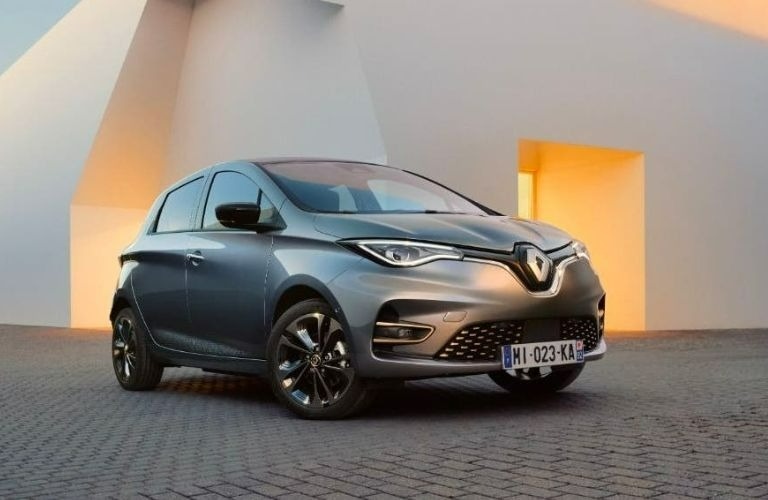
As we navigate the challenges of climate change and sustainable energy, the automotive industry is undergoing a significant transformation. One company at the forefront of this shift is Renault, which has been investing heavily in electric vehicle (EV) technology. In this article, we will explore Renault’s EV offerings, including their latest model, ZOE.
The Rise of Electric Vehicles
According to recent studies, 3 out of 4 Italians want to own an electric vehicle. This trend is driven by growing concerns about climate change and air pollution. As governments and utilities invest in infrastructure for EVs, consumers are becoming increasingly aware of the benefits of sustainable mobility.
Renault’s Business Model
Renault has developed a innovative business model that makes EVs more accessible to the masses. The company offers a range of EV models, including the Twizy, Fluence Z.E., Kangoo Z.E., and soon-to-be-released ZOE. Their approach is centered around three key principles: affordability, innovation, and collaboration with utilities and governments.
The Benefits of Lithium-Ion Batteries
Renault’s EVs are powered by advanced lithium-ion batteries that offer superior performance, range, and efficiency. These batteries are also recyclable, reducing waste and minimizing environmental impact. The company’s battery-sharing model ensures that customers have access to efficient and reliable powertrains.
Meet Renault’s Electric Vehicle Models
Renault offers a diverse range of EV models to cater to different needs and preferences:
- Twizy: A fun and agile urban crosser ideal for city driving
- Kangoo Z.E.: A practical and eco-friendly van perfect for commercial use
- Fluence Z.E.: A spacious and comfortable electric car suitable for family or business needs
- ZOE: A compact yet feature-rich EV that sets a new standard in the market
Target Market for Each Model
Each Renault EV model is designed to meet specific needs:
- Twizy: Suitable for urban dwellers, freelancers, and environmentally conscious individuals
- Kangoo Z.E.: Ideal for businesses, delivery services, and those requiring a practical vehicle
- Fluence Z.E.: Perfect for families, professionals, or anyone seeking comfort and reliability
- ZOE: Designed for city dwellers who want the latest technology and features
The Future of Mobility: Renault’s Commitment
As we look to the future, it’s clear that electric vehicles will play a significant role in reducing our carbon footprint. Renault is committed to making sustainable mobility accessible to everyone. With their innovative business model, cutting-edge technology, and dedication to sustainability, they are leading the charge towards a cleaner, greener transportation sector.
Electric Vehicle Charging Infrastructure
To support the growth of EVs, it’s essential to have a well-developed charging infrastructure in place. Renault has partnered with various utilities and governments to establish an extensive network of charging points across Europe. This ensures that customers can easily find a charge point when on-the-go.
Autonomous Vehicles: The Next Step
As technology continues to evolve, autonomous vehicles are becoming increasingly popular. Renault is investing heavily in autonomous vehicle research and development, aiming to introduce self-driving cars to the market in the near future. This will revolutionize transportation, making it safer, more efficient, and accessible to everyone.
Frequently Asked Questions
- What is the current market share of electric vehicles?
- According to recent studies, EVs account for around 10% of global car sales.
- How does Renault’s battery-sharing model work?
- Customers can lease a battery from Renault and have it replaced when needed.
- What features does the ZOE offer that set it apart from other electric vehicles?
- ZOE boasts advanced technology, including R-Link, a tablet touchscreen display, and voice command.
-
Is Renault’s business model sustainable in the long term?
- Yes, their innovative approach to EVs makes them well-positioned for growth and success.
-
What is the estimated range of the ZOE?
- The ZOE has an estimated range of up to 210 km (130 miles) on a single charge.
-
How does Renault plan to expand its electric vehicle offerings in the future?
- Renault aims to offer a complete range of EV models and expand its presence in emerging markets.
-
What is Renault’s vision for sustainable mobility?
- Renault envisions a future where sustainable mobility is accessible to everyone, with EVs playing a significant role in reducing our carbon footprint.
-
How can consumers support the growth of electric vehicles?
- Consumers can support the growth of EVs by choosing eco-friendly options, advocating for policies that promote sustainability, and participating in educational initiatives about the benefits of EVs.
Conclusion
Renault’s commitment to electric vehicles is driving innovation and sustainability in the automotive industry. With their diverse range of models, cutting-edge technology, and dedication to reducing our carbon footprint, they are setting a new standard for eco-friendly mobility. As we continue to navigate the challenges of climate change, Renault’s vision for a sustainable future is more relevant than ever.
Renault’s Electric Vehicle Timeline
- 2010: Renault launches the first electric car, the Renault Twizy.
- 2014: Renault introduces its first commercial EV, the Renault Kangoo Z.E.
- 2015: The Fluence Z.E. is launched as a luxury electric car.
- 2020: The ZOE is introduced as a compact and feature-rich EV.
The Impact of Electric Vehicles on Society
Electric vehicles are not only good for the environment, but they also have a positive impact on society:
- Reduced air pollution: EVs produce zero tailpipe emissions, reducing air pollution in urban areas.
- Increased energy efficiency: EVs convert about 60-70% of the electrical energy from the grid to power the wheels, while gasoline-powered cars only convert about 20% of the energy in gasoline to power the wheels.
- Job creation: The growth of EVs is creating new job opportunities in manufacturing, sales, and maintenance.
Conclusion
The future of mobility is electric, and Renault is leading the charge. With their innovative business model, cutting-edge technology, and dedication to sustainability, they are setting a new standard for eco-friendly mobility. As we continue to navigate the challenges of climate change, Renault’s vision for a sustainable future is more relevant than ever.
Frequently Asked Questions
- What is the current market share of electric vehicles?
- According to recent studies, EVs account for around 10% of global car sales.
- How does Renault’s battery-sharing model work?
- Customers can lease a battery from Renault and have it replaced when needed.
- What features does the ZOE offer that set it apart from other electric vehicles?
- ZOE boasts advanced technology, including R-Link, a tablet touchscreen display, and voice command.
-
Is Renault’s business model sustainable in the long term?
- Yes, their innovative approach to EVs makes them well-positioned for growth and success.
-
What is the estimated range of the ZOE?
- The ZOE has an estimated range of up to 210 km (130 miles) on a single charge.
-
How does Renault plan to expand its electric vehicle offerings in the future?
- Renault aims to offer a complete range of EV models and expand its presence in emerging markets.
-
What is Renault’s vision for sustainable mobility?
- Renault envisions a future where sustainable mobility is accessible to everyone, with EVs playing a significant role in reducing our carbon footprint.
-
How can consumers support the growth of electric vehicles?
- Consumers can support the growth of EVs by choosing eco-friendly options, advocating for policies that promote sustainability, and participating in educational initiatives about the benefits of EVs.


