
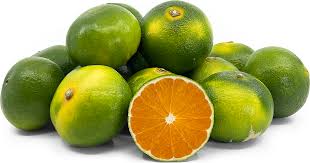
What is a Miyagawa?
If you’re looking for a fruit that’s as unique as it is delicious, look no further than the Miyagawa. This medium-sized citrus fruit boasts a rounded shape, slightly flattened at the bottom, with a diameter of 6-7 centimeters.
The Miyagawa’s distinct appearance makes it stand out from other citrus fruits. Its thin, edible skin ranges in color from green to orange depending on the climate it’s grown in. The surface is also remarkably smooth and glossy, with small oil glands that add to its appeal.
When you peel a Miyagawa, you’ll discover a tender, juicy pulp that’s free of seeds and divided into 9-10 segments by thin membranes. The fruit has a sweet, slightly acidic taste with hints of bitterness, making it perfect for snacking on fresh or using in various recipes.
Physical Characteristics
One of the standout features of the Miyagawa is its unique texture. When you bite into a segment, the flesh is firm but yields easily to the pressure. The flavor profile is equally impressive, with notes of citrus zest and a subtle sweetness that’s balanced by a hint of bitterness.
The fruit’s size can vary slightly depending on the growing conditions and variety, but it’s generally around 6-7 centimeters in diameter. This makes it an ideal snack for those looking for a satisfying but compact treat.
Availability
Miyagawas are typically available from autumn to winter, although the exact timing may vary depending on your location. If you’re having trouble finding them in stores, you can also try checking with local farmers’ markets or specialty Asian grocery stores.
During this time, Miyagawa farmers and distributors work hard to ensure that each fruit is handled carefully and stored properly to maintain its freshness and quality. This dedication to quality control is evident in the final product, which has a vibrant color and aroma that’s sure to delight.
History and Origin
The Miyagawa is a type of satsuma mandarin (Citrus reticulata), which originated in Japan. The fruit has been enjoyed for centuries by locals and visitors alike, who appreciate its unique flavor profile and texture.
In 1923, Japanese botanist Tyozaburo Tanaka identified the fruit and named it after Miyagawa Village in Hiroshima Prefecture. Today, Miyagawas are cultivated not only in Japan but also in New Zealand, California (USA), and other parts of Asia.
Nutritional Value
Miyagawas are a nutrient-rich snack that’s high in vitamins A and C, potassium, and other essential minerals. They’re also an excellent source of flavonoids, which have antioxidant properties that can help protect against chronic diseases like heart disease and cancer.
Here’s a breakdown of the nutritional content of one Miyagawa fruit:
- Calories: 60-70 per serving
- Fiber: 2 grams
- Vitamin A: 20% of the Daily Value (DV)
- Vitamin C: 50% of the DV
- Potassium: 10% of the DV
- Zinc: 5% of the DV
- Calcium: 3% of the DV
- Magnesium: 4% of the DV
Using Miyagawas in Recipes
Miyagawas are incredibly versatile and can be used in a variety of dishes. Here are some ideas to get you started:
- Add sliced or chopped Miyagawa to salads, fruit salads, or yogurt parfaits for added flavor and nutrition.
- Use the juice as a marinade for chicken, pork, or fish to add depth and complexity to your cooking.
- Make a refreshing dessert by mixing the juice with ice and sugar, then serving it in individual glasses or cones.
Some other pairing options include:
- Finocchio (fennel) for an Italian-inspired flavor profile
- Indivia for a sweet and tangy combination
- Prezzemolo (parsley) for a fresh and herbaceous taste
- Formaggio erborinato (herb cheese) for a creamy and savory option
Growing and Harvesting
Miyagawas are grown on small evergreen trees in the southern regions of Japan, New Zealand, and parts of California. They’re relatively low-maintenance crops that can be harvested for up to 2 weeks after ripening.
If you’re interested in growing your own Miyagawa tree, be sure to choose a variety that’s suitable for your climate and region. This will help ensure that your fruit is healthy and flavorful, with the best possible chance of success.
Conclusion
The Miyagawa is an intriguing fruit with unique characteristics, nutritional benefits, and culinary uses. Whether you enjoy snacking on it fresh or incorporating it into your favorite recipes, this citrus delight is sure to captivate your taste buds!
If you have any questions about the Miyagawa or would like more information, feel free to ask. With its rich history, nutritional profile, and versatility in the kitchen, the Miyagawa fruit is a true gem worth exploring further.
FAQs
Q: Where can I buy Miyagawas?
A: Miyagawas are relatively rare in most supermarkets but can be found at specialty Asian markets or through online retailers.
Q: How do I store Miyagawa fruit?
A: Store Miyagawa fruit at room temperature for up to a week, or refrigerate it for longer-term storage.
Q: Can I grow Miyagawa trees myself?
A: Yes, you can grow your own Miyagawa tree by purchasing a grafted sapling from an authorized nursery.
Q: What are the health benefits of eating Miyagawas?
A: The fruit is rich in vitamins A and C, potassium, and other essential minerals, making it a nutritious snack option.
Q: How do I prepare Miyagawa for cooking or baking?
A: Simply peel and segment the fruit before using it in your favorite recipes.
Q: Can I use Miyagawa juice as a marinade?
A: Absolutely! Use the juice to marinate meats, poultry, or seafood for added flavor.
Q: Is there an ideal time of year to eat Miyagawas?
A: Miyagawas are typically available from autumn to winter, but their peak season can vary depending on your location.


