
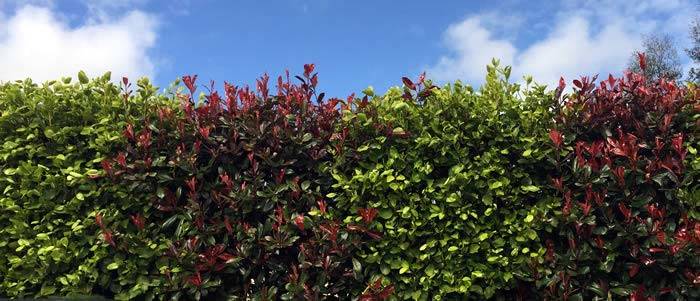
In today’s garden design trends, the traditional formal hedge is being replaced by more modern and visually appealing alternatives. One such alternative is the mixed hedge, which combines multiple plant species to create a unique and diverse landscape. In this article, we’ll explore the benefits of creating a mixed hedge, how to design one, choose the right plants, and tips for maintaining your new informal hedge.
The Benefits of a Mixed Hedge
A mixed hedge offers several advantages over traditional formal hedges:
- Less monotony: A mix of plants creates a diverse landscape that adds visual interest to your garden. By incorporating different textures, colors, and growth habits, you can create a visually appealing display.
- Increased biodiversity: By using native plants, you can create a habitat for local wildlife, such as birds, bees, and butterflies. This not only supports the environment but also attracts beneficial insects that help pollinate your garden.
- Adaptability: Different plant species will require varying levels of maintenance, making it easier to manage your hedge. For example, some plants may need regular pruning, while others may require more frequent watering.
Characteristics of a Mixed Hedge
A mixed hedge has several distinct characteristics that set it apart from traditional formal hedges:
- Irregular shape and size: A mixed hedge can be designed in various shapes and sizes, depending on your garden’s dimensions and layout.
- Varying foliage colors and textures: By combining different plant species with unique foliage characteristics, you can create a visually appealing display of color and texture.
- Unpredictable growth patterns: Plants have varying growth habits, such as fast-growing shrubs or slow-growing trees. This unpredictability adds to the charm and character of your mixed hedge.
Designing Your Mixed Hedge
To create an informal hedge, follow these steps:
- Choose your plants: Select a variety of plant species that thrive in your local climate. Consider factors like sunlight, soil type, and moisture levels when selecting plants.
- Consider native plants: Incorporating native plants can help support local wildlife and reduce maintenance needs. Native plants are also more resistant to pests and diseases, making them easier to care for.
- Group plants by size and growth habit: To create an informal look, group plants by size and growth habit. This will also make it easier to maintain your hedge as different plants require varying levels of care.
- Don’t overcrowd: Give each plant enough space to grow and thrive. Overcrowding can lead to reduced air circulation, increased moisture accumulation, and an increased risk of disease.
Choosing the Right Plants for Your Mixed Hedge
Some popular plants for a mixed hedge include:
- Trees like oak, beech, and maple: These trees provide structure and shade while supporting local wildlife.
- Shrubs like boxwood, yew, and rhododendron: These shrubs offer a range of foliage colors and textures, making them ideal for creating visual interest in your hedge.
- Perennials like hostas, daylilies, and coneflowers: These perennials provide vibrant blooms and unique foliage characteristics, adding to the overall diversity of your mixed hedge.
When choosing plants, consider factors like sunlight, soil type, and moisture levels to ensure they thrive in your garden.
Tips for a Successful Mixed Hedge
To ensure your mixed hedge thrives:
- Maintain regularly: Regular pruning and grooming will help maintain the health and appearance of your hedge.
- Monitor plant growth: Keep an eye on plant growth to ensure they’re not overcrowding or becoming too dominant. Prune or divide plants as necessary to maintain a balanced look.
- Be patient: Creating a mixed hedge takes time, so be patient and enjoy the process.
Conclusion
A mixed hedge is a unique and visually appealing design that can add character to your garden. By following these tips and choosing the right plants for your local climate, you can create an informal hedge that thrives and brings joy to your outdoor space.
Frequently Asked Questions
- How do I choose the right plants for my mixed hedge?: Consider factors like sunlight, soil type, and moisture levels when selecting plants. Research native plants in your area for added benefits.
- What are some popular plants for a mixed hedge?: Trees like oak, beech, and maple; shrubs like boxwood, yew, and rhododendron; and perennials like hostas, daylilies, and coneflowers are popular choices. Consider your garden’s specific needs when selecting plants.
- How often should I maintain my mixed hedge?: Regular pruning and grooming will help maintain the health and appearance of your hedge. Prune or divide plants as necessary to maintain a balanced look.
- Can I use native plants in my mixed hedge?: Yes, incorporating native plants can support local wildlife and reduce maintenance needs. Native plants are also more resistant to pests and diseases, making them easier to care for.
- How long does it take to create a mixed hedge?: Creating a mixed hedge takes time, so be patient and enjoy the process.


