
As we navigate through our daily lives, maintaining good oral hygiene is essential for our overall health and well-being. One ancient practice that has gained popularity in recent years is the use of miswak, a natural toothbrush made from the Salvadora Persica tree. In this article, we’ll delve into the world of miswak, exploring its history, benefits, and how to incorporate it into your daily routine.
What is Miswak?
Miswak is an ancient form of oral hygiene that dates back thousands of years. The Salvadora Persica tree, also known as the “miswak tree,” has been used for centuries in the Middle East, North Africa, Central Asia, and Southeast Asia to create a natural toothbrush. The miswak stick is made from the branches and roots of the tree, which are rich in antibacterial properties.
The History of Miswak
The use of miswak dates back over 3,000 years to ancient civilizations such as Egypt, Greece, and Rome. In these cultures, miswak was not only used for oral hygiene but also as a symbol of social status and wealth. The tree’s branches were often carved into toothbrush-like sticks, making it an accessible and affordable option for people from all walks of life.
The Benefits of Miswak
Numerous studies have shown that using miswak regularly can have a significant impact on oral health. Some of the benefits include:
- Reducing plaque and tartar buildup
- Whiter teeth
- Fresh breath
- Reduced risk of gum disease
- Increased salivation to help neutralize acids
- Natural detoxification
The Science Behind Miswak’s Antibacterial Properties
Research has shown that the Salvadora Persica tree contains compounds such as saponins, flavonoids, and terpenes, which have antibacterial properties. These compounds can help reduce plaque and tartar buildup by killing bacteria and other microorganisms in the mouth.
How to Use Miswak Effectively
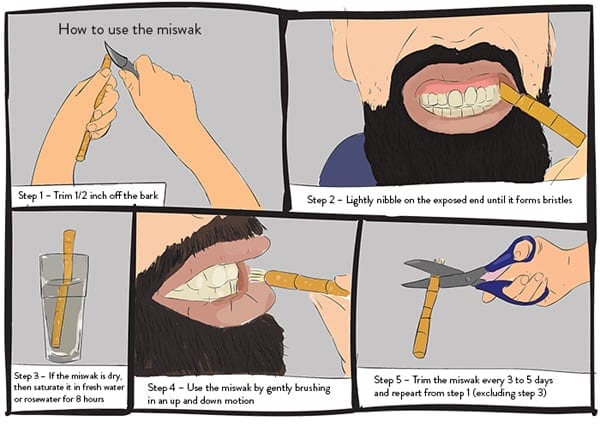
Using miswak correctly is essential to reap its benefits. Here’s a step-by-step guide on how to use it:
- Prepare the Miswak: To activate the antibacterial properties of the miswak, you’ll need to peel off the outer layer and expose the inner fibers.
- Cut and Shape the Fibers: Cut off about 1-2 inches of the peeled fiber, depending on your personal preference for length and flexibility.
- Masticate the Tip: Hold the cut end between your teeth and chew it gently to make the fibers soft and flexible.
Tips for Using Miswak
Here are some additional tips for using miswak effectively:
- Use warm water: Wetting your miswak before use can help activate its antibacterial properties.
- Brush in a circular motion: Gently brush your teeth in a circular motion to remove plaque and tartar buildup.
- Focus on hard-to-reach areas: Pay extra attention to the back sides of molars, where plaque and tartar tend to accumulate.
What Happens When Setols Get Dry?
If the setols on your miswak start to dry out, don’t worry! Simply cut off about 1-2 inches of the dried-out fibers and re-masticate them to activate their antibacterial properties. You can also use a small knife or scissors to trim off any damaged sections.
How to Store Miswak
To keep your miswak fresh and functional, store it in a dry place away from direct sunlight. Avoid storing it in the bathroom as it can absorb moisture. Some people also prefer to freeze their miswak to preserve its effectiveness for later use.
Miswak vs. Traditional Toothbrushes
While traditional toothbrushes may seem like the only option, miswak offers several advantages:
- Eco-friendly: Miswak is a natural and biodegradable product that can help reduce waste.
- Cost-effective: Miswak is often cheaper than traditional toothbrushes.
- Portable: Miswak is lightweight and easy to carry, making it perfect for travel.
Conclusion
Miswak has been a staple in oral hygiene for centuries, offering numerous benefits for our overall health. By understanding how to use miswak correctly, we can unlock its full potential and enjoy a healthier, brighter smile. As we continue on this journey of self-improvement, let’s embrace the ancient wisdom of the miswak tree and discover the secrets it holds.
Frequently Asked Questions
- What is the best way to trim my miswak fibers?
To keep your miswak fresh and functional, it’s essential to maintain its length. Trim off about 1-2 inches of the dried-out fibers every week or two. - How often should I replace my miswak?
The lifespan of a miswak depends on how frequently you use it. On average, a well-maintained miswak can last for several weeks to months. - Is miswak safe for everyone?
While miswak is generally considered safe, people with sensitive teeth or gums may need to adjust their usage accordingly. - Can I use miswak in conjunction with other oral hygiene products?
Absolutely! Miswak can be used alongside traditional toothbrushes and dental floss for a comprehensive oral care routine.



