
The Miso: A Traditional Japanese Food with Many Uses
Miso is a traditional Japanese food made from soybeans, derived from yellow soybeans. Like tempeh, it is an edible product resulting from the fermentation of soybeans and, like tempeh, there are many varieties of miso.
Just like tempeh, miso also has different variations: cereals such as barley, rice, wheat, or millet are added to the miso. Miso made only with soybeans is called Hocho Miso, while miso with barley is called mugi Miso, and miso with rice is kome Miso.
Miso is widely used in Japanese cuisine and has gained popularity worldwide for its rich flavor, health benefits, and versatility. It’s a staple ingredient in many traditional dishes, from soups to sauces, and is often served as a condiment or used as an ingredient in various recipes.
The Preparation of Traditional Miso
Traditional miso preparation takes around 12-24 months, during which time the soybeans are fermented with salt and koji (a type of fungus) to create a rich, savory paste. The fermentation process involves several stages:
- Initial Fermentation: Soybeans are soaked in water and allowed to ferment for a few days, which helps to break down the complex proteins and carbohydrates.
- Koji Fermentation: A type of fungus called Aspergillus oryzae is added to the fermented soybeans, which breaks down the proteins and carbohydrates into amino acids and sugars.
- Aging Process: The mixture is then aged for several months, during which time it undergoes further fermentation and development of its characteristic flavor and texture.
At a commercial level, miso is prepared through a shorter fermentation process, typically lasting just a few hours or days. This method doesn’t provide the same nutritional benefits as traditional miso but can still produce a high-quality product.
The Nutritional Properties of Miso
Miso is generally considered an alkali-rich food due to its high content of sodium and other minerals like potassium and magnesium. A single teaspoon of miso contains approximately 200-300 mg of sodium, which is higher than the daily recommended intake. However, research has shown that consuming miso along with other foods can help offset the negative effects of excessive sodium on cardiovascular health.
Miso also contains a range of beneficial compounds, including:
- Isoflavones: Plant-based compounds that may help reduce cholesterol levels and protect against heart disease.
- Enzymes: Miso contains various enzymes that can aid digestion and improve gut health.
- Antioxidants: Miso has antioxidant properties, which can help protect against oxidative stress and inflammation.
Miso and Health
In recent years, there has been growing interest in the potential health benefits of miso. While more research is needed to fully understand its effects on human health, some studies suggest that consuming miso regularly may have a positive impact on:
- Cardiovascular health: The combination of sodium, potassium, and other minerals in miso may help regulate blood pressure and reduce the risk of cardiovascular disease.
- Gut health: Miso contains beneficial compounds like enzymes and antioxidants that can support gut health and promote a balanced microbiome.
Using Miso in Cooking
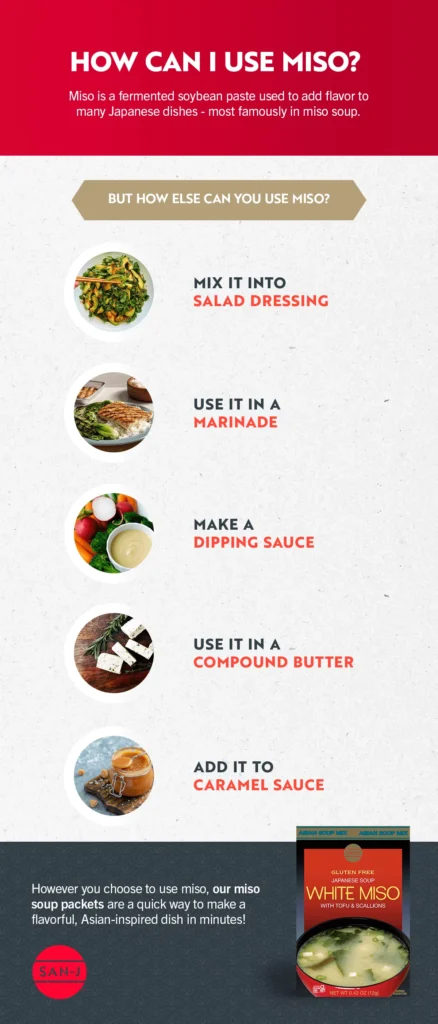
Miso is an incredibly versatile ingredient that can be used in a wide range of dishes, from soups to sauces. Here are some popular ways to use miso:
- Soups: Miso is often added to traditional Japanese soups like ramen and udon for its rich, savory flavor.
- Sauces and Marinades: Miso is commonly used as an ingredient in sauces and marinades for meats, vegetables, and other dishes.
- Grilled and Fried Foods: Miso can be brushed onto grilled or fried foods to add a boost of flavor.
Some popular miso-based recipes include:
- Zuppa di Miso (Traditional Japanese Soup)
- Tonkotsu Ramen (Japanese Noodle Soup)
- Teriyaki Sauce (Sweet and Savory Glaze)
Zuppa di Miso: A Traditional Japanese Soup
Zuppa di miso is a traditional Japanese dish that consists of a broth made from dashi (fish stock) mixed with miso paste. The base of zuppa di miso is dashi, which is made by simmering dried katsuobushi (dried bonito flakes) and kombu seaweed in water.
To make zuppa di miso, you’ll need:
- Dashi broth
- Miso paste
- Negi (aromatic onion)
- Tofu
- Other seasonal ingredients (such as fish, shrimp, or grated fish)
Some popular variations of zuppa di miso include:
- Zuppa di Miso con Carne (with meat)
- Zuppa di Miso con Pesce (with fish)
- Zuppa di Miso Vegetariana (vegetarian version)
Why Miso is So Healthy
Miso is often praised for its potential health benefits, which may be due to the combination of its nutrient-rich ingredients and traditional preparation methods. Some possible reasons why miso may have a positive impact on our health include:
- High content of beneficial compounds: Miso contains a range of beneficial compounds like isoflavones, enzymes, and antioxidants that can support overall health.
- Traditional fermentation process: The long fermentation time involved in making traditional miso may help to break down complex proteins and carbohydrates into more easily digestible forms.
Is There Anything Else I Can Tell You About Miso?
Here are some additional things you might find interesting about miso:
- Miso is often used as an ingredient in Japanese cooking, but it can also be found in many Asian and Western dishes.
- The best type of soybeans to use for making miso is called “maru miso” or “yellow soybeans.”
- Miso has antibacterial properties, which make it a great addition to homemade sauces and marinades.
- You can store miso paste in the fridge for up to 2 years, but it’s best consumed within 6 months.
Miso is a versatile ingredient that can add depth and richness to a variety of dishes. Whether you’re looking to try traditional Japanese recipes or experiment with new flavors and ingredients, miso is definitely worth exploring further.


