
Introduction
For many, the mere mention of the word “miserable plant” conjures up images of bad luck and misfortune. But what if I told you that this plant, also known as Tradescanzia, is actually a solution to many problems in indoor spaces? Its reputation for being easy to care for and adaptable to harsh conditions makes it an ideal choice for those who want to add some greenery to their homes without breaking the bank.
As we delve deeper into the world of this unassuming plant, you’ll discover that its “miserable” reputation is nothing more than a myth perpetuated by those who don’t understand its true potential. With its unique characteristics, adaptability, and history, Tradescanzia is an ideal choice for anyone looking to add some greenery to their home without breaking a sweat.
The Origins of Misery
Let’s start by exploring the origins of this plant. Also known as Tradescanzia, it belongs to the family Commelinaceae and is native to the neotropical region. Despite its widespread popularity in Europe and beyond, it still carries a stigma due to its reputation for being a pest. This negative perception likely originated from its ability to quickly spread and outcompete other plants.
Tradescanzia’s history dates back to the 17th century when John Tradescant, a young gardener who worked at the court of Charles I in England, brought it back from his travels in America. Although it was initially met with skepticism in Europe, its popularity soon grew, and today it’s a beloved indoor plant.
Characteristics of Misery
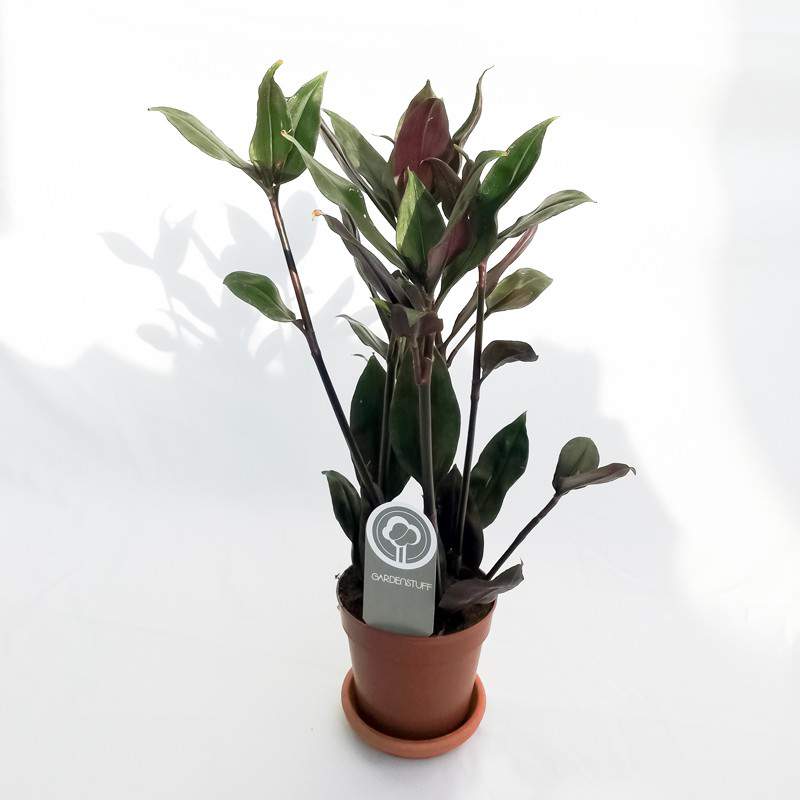
So, what makes this plant so special? For starters, it’s incredibly resilient and can thrive in conditions that would be challenging for many other plants. Its leaves come in a variety of colors, including purple, yellow, and green, making it a stunning addition to any room. The flowers, though small, are equally impressive, with shades ranging from light pink to deep violet.
In terms of size, Tradescanzia can grow up to 12 inches tall and wide, making it an ideal choice for small spaces or containers. Its stems are relatively sturdy, allowing it to support itself without needing a trellis or other support.
Caring for Misery
While this plant is known for its hardiness, it still requires some TLC to truly flourish. In general, it prefers bright, indirect light and can tolerate a range of temperatures, but extreme heat or cold can cause damage. Watering should be done sparingly, as the soil should never be completely dry. Overwatering can lead to root rot, so it’s essential to find the sweet spot.
In terms of watering, Tradescanzia prefers to dry out slightly between waterings. This means that you’ll need to check the soil moisture regularly and adjust your watering schedule accordingly. During the spring and summer months, you can water more frequently, but during the fall and winter months, it’s best to reduce watering to once a month.
The History of Misery
So, how did this plant make its way from the neotropical region to Europe? The answer lies with John Tradescant, a young gardener who worked at the court of Charles I in England. In the 17th century, he brought back plants from his travels in America, including the Tradescanzia.
Although it was initially met with skepticism in Europe, its popularity soon grew, and today it’s a beloved indoor plant. Over time, the name “Tradescanzia” became synonymous with this particular species of plant, and its reputation as a pest began to take hold.
From Pest to Pet
Despite its notorious reputation, this plant has been unfairly maligned as a pest. In reality, it’s a low-maintenance and adaptable companion that can bring joy and beauty to even the most challenging environments.
By embracing our inner green thumb and giving this plant a chance, we can turn its reputation on its head and discover the true meaning of “miserable” – namely, being utterly delightful. With its unique characteristics, adaptability, and history, Tradescanzia is an ideal choice for anyone looking to add some greenery to their home without breaking a sweat.
Propagating Misery
One of the best things about Tradescanzia is its ability to propagate easily through division. This means that you can easily share plants with friends or family members, making it a great plant for those who want to spread the joy of greenery.
To propagate Tradescanzia through division, simply dig up the entire plant, separate the roots into individual sections, and pot them up in fresh soil. Water thoroughly and provide bright, indirect light, and you’ll have new plants growing in no time.
Common Problems with Misery
While Tradescanzia is generally a low-maintenance plant, there are some common problems that can arise if not addressed properly. Here are a few of the most common issues:
- Overwatering: This is one of the most common problems associated with Tradescanzia. If the soil becomes too wet, it can lead to root rot and other problems.
- Underwatering: On the other hand, if the soil becomes too dry, it can cause damage to the plant’s leaves and stems.
- Pests: While Tradescanzia is not typically a pest problem, it can be susceptible to infestations from aphids, spider mites, and mealybugs. Keep an eye out for these pests and address them promptly if you notice any issues.
- Diseases: Fungal diseases such as root rot and leaf spot can affect Tradescanzia if the plant is exposed to too much moisture or poor air circulation.
Conclusion
In conclusion, the miserable plant is not as miserable as it seems. With its unique characteristics, adaptability, and history, it’s an ideal choice for anyone looking to add some greenery to their home without breaking a sweat.
Whether you’re a seasoned gardener or a beginner, Tradescanzia is an excellent choice for indoor spaces. Its low-maintenance requirements and stunning appearance make it a great addition to any room.
FAQs
- Q: Is the miserable plant toxic?
A: No, Tradescanzia is non-toxic to humans and pets. - Q: How often should I water my miserable plant?
A: Water sparingly, allowing the soil to dry slightly between waterings. - Q: Can I grow this plant outdoors?
A: While it can tolerate some sun, direct sunlight can cause damage. Provide bright, indirect light for optimal growth. - Q: How often should I prune my miserable plant?
A: Prune regularly to maintain shape and encourage new growth. - Q: Can I propagate my miserable plant through division?
A: Yes, Tradescanzia can be propagated through division in the spring or summer. - Q: Is the miserable plant suitable for low-light conditions?
A: While it prefers bright light, some varieties can tolerate lower light levels. - Q: Can I grow this plant in a pot or directly in the ground?
A: Both options are viable, but make sure to choose a container with good drainage. - Q: How long does it take for my miserable plant to bloom?
A: Blooming times vary depending on the variety and growing conditions.
By following these simple tips and guidelines, you’ll be well on your way to becoming a master of the miserable plant. With its unique characteristics, adaptability, and history, Tradescanzia is an ideal choice for anyone looking to add some greenery to their home without breaking a sweat.


