
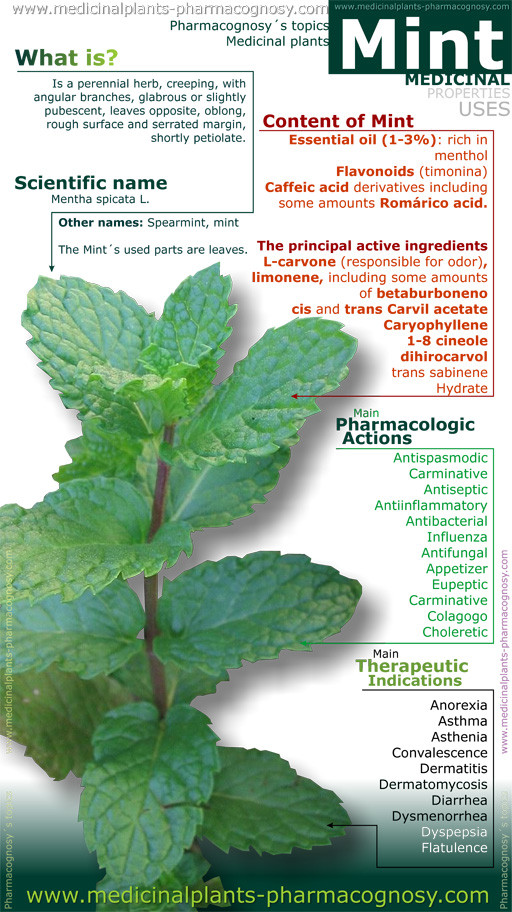
Mint is a popular herb belonging to the Labiate family. The genus Mentha comprises various species, all characterized by their erect, bushy growth up to 50 cm tall.
As we explore the world of mint, it’s essential to note that the different species often interbreed, resulting in numerous hybrids. This has led to the development of diverse types of mint with unique characteristics.
In this article, we’ll delve into the various types of mint commonly found in Italy, their properties, and how to cultivate them. We’ll also discuss the therapeutic benefits and uses of mint, making it an indispensable herb in many households.
Types of Mint
Mint is a diverse genus, with over 200 species worldwide. Here are some of the most common types of mint found in Italy:
- Mentha puleggio (Puleggi or Pennyroyal): Also known as mentuccia, this type has small, slightly toothed leaves and grows spontaneously in moist fields and abandoned lands up to 800 meters.
- Mentha aquatica (Water Mint): Characterized by oval-shaped, finely pointed leaves and globular flower clusters, water mint thrives in wet environments, such as ditches and riversides.
- Mentha piperita (Peppermint): The most widely cultivated species, peppermint has dark green, almost black leaves with a distinctive shape. Its unique appearance sets it apart from other mint species.
- Mentha longifolia: This type features lance-shaped leaves and grows in fields and along agricultural borders up to 700 meters.
- Mentha rotondifolia (Roundleaf Mint): As its name suggests, this variety has rounded, rugose leaves with a reticulate pattern. It’s commonly found in wet environments.
Cultivating Mint
Growing mint is relatively easy and doesn’t require specialized skills. In a domestic setting, you can grow it in pots or a garden. Choose a location that receives partial shade to full sun. Peppermint is the most popular choice for cultivation due to its adaptability and rapid growth. However, keep in mind that peppermint can be invasive if not properly managed.
Some tips for successful mint cultivation include:
- Planting mint in well-drained soil: Mint prefers moist but not waterlogged soil.
- Providing adequate sunlight: Mint thrives in full sun but can tolerate partial shade.
- Pruning regularly: Regular pruning encourages bushy growth and prevents invasive behavior.
- Harvesting fresh leaves: Harvesting fresh mint leaves encourages the plant to produce more.
Properties of Mint
Mint contains several active compounds responsible for its therapeutic properties:
- Acetyl acetone
- Valerianic acid
- Cineol
- Limonene
- Menthone
- Ethereal oil, menthol, and methyl menthone
- Resin
- Terpenes
These compounds contribute to mint’s analgesic, antispasmodic, digestive, sedative, stimulant, stomachic, revulsive, and tonic properties.
Using Mint
Mint can be prepared in various ways to harness its therapeutic benefits. Decoctions or infusions are popular methods for enjoying the herb’s medicinal properties.
Some of the most common uses of mint include:
- Digestive issues: Mint is commonly used to alleviate digestive problems such as bloating, gas, and indigestion.
- Headaches and migraines: The analgesic properties of mint can help relieve headache and migraine symptoms.
- Stress and anxiety: The sedative effects of mint can promote relaxation and reduce stress levels.
- Coughs and colds: Mint’s expectorant properties make it a popular remedy for coughs and colds.
Cooking with Mint
Mint is often used in culinary recipes to add flavor and fragrance. Some popular dishes that feature mint include:
- Middle Eastern salads
- Indian curries
- Greek salads
- Chutneys
Some ways to incorporate mint into your cooking include:
- Adding fresh leaves to salads or drinks
- Using dried mint in baked goods or desserts
- Infusing oil with mint for use in cooking
- Making mint tea or infusions


