
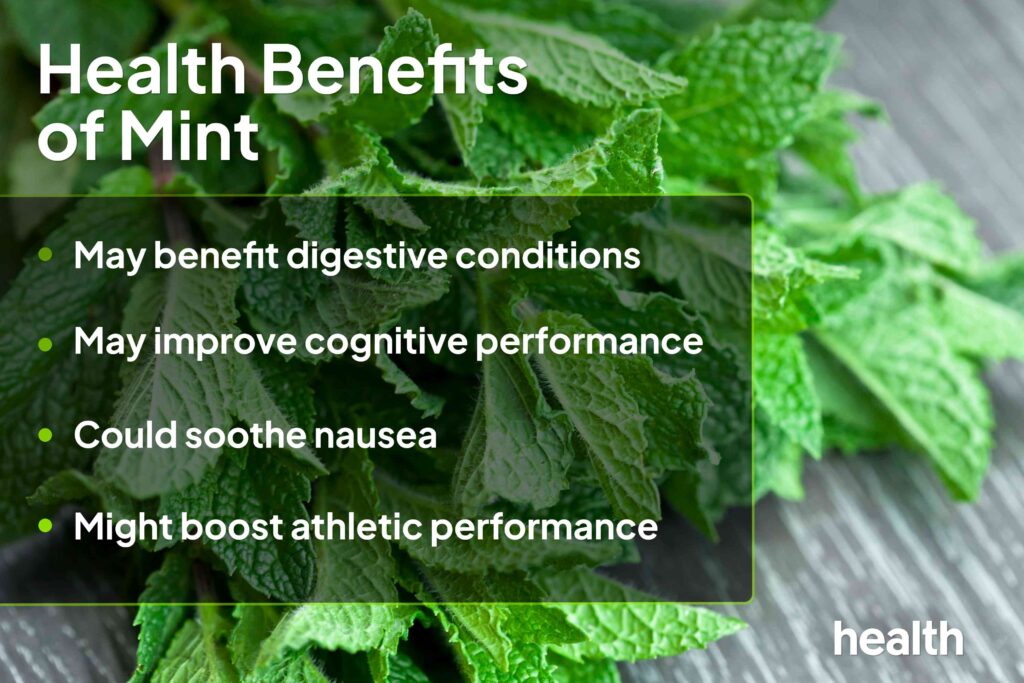
The Power of Mint: Unlocking its Health Benefits and Uses
Mint, a herb with a distinct pungent flavor, has been used for centuries in various cultures for its medicinal properties. From ancient Egypt to modern times, mint has been valued for its numerous benefits, which range from digestive issues to respiratory problems.
What are the Properties of Mint?
Mint is known for its strong aroma and taste, making it a popular ingredient in teas, sauces, and desserts. But beyond its culinary uses, mint has several health benefits that make it a valuable natural remedy. Some of the key properties of mint include:
- Digestive issues: The menthol in mint helps to stimulate digestion and relieve symptoms of indigestion and bloating.
- Antiseptic and antispasmodic properties: Mint’s antibacterial and anti-inflammatory properties make it an effective natural remedy for soothing digestive issues, such as irritable bowel syndrome (IBS).
- Respiratory benefits: The menthol in mint helps to relieve congestion and coughs, making it a popular ingredient in cold and flu remedies.
- Antifungal and antibacterial properties: Mint’s antimicrobial properties make it effective against a range of bacteria and fungi.
Using Mint for Health Benefits
Mint can be used in various ways to harness its health benefits. Here are some of the most common uses:
- Teas: Mint tea is a popular natural remedy for digestive issues, respiratory problems, and stress relief.
- Infusions: Mint infusions can be made by steeping fresh mint leaves in hot water or cold water for a refreshing drink.
- Essential oils: The essential oil of peppermint (Piperita mentha) is often used in aromatherapy to relieve stress, anxiety, and digestive issues.
- Culinary uses: Mint is a popular ingredient in desserts, sauces, and salads, adding flavor and fragrance to various dishes.
Growing Mint at Home
Mint is an easy-to-grow herb that can be cultivated indoors or outdoors. Here are some tips for growing mint at home:
- Choosing the right variety: Peppermint (Piperita mentha) and spearmint (Mentha spicata) are two of the most popular varieties of mint.
- Soil conditions: Mint prefers well-drained soil with a pH between 6.0 and 7.0.
- Lighting requirements: Mint requires partial shade to full sun, depending on the variety.
- Watering: Mint requires regular watering, but make sure not to overwater as it can lead to root rot.
Using Mint in Cooking
Mint is a versatile herb that can be used in various dishes, from desserts to savory meals. Here are some popular ways to use mint in cooking:
- Salads: Mint adds flavor and fragrance to salads, especially when paired with fruits like strawberries or pineapple.
- Desserts: Mint is often used in desserts like ice cream, milkshakes, and sorbet.
- Sauces and marinades: Mint can be added to sauces and marinades for grilled meats, fish, and vegetables.
- Teas and drinks: Mint tea is a popular natural remedy for digestive issues, respiratory problems, and stress relief.
Growing Mint in Pots
Mint can be grown in pots with well-drained soil and regular watering. Here are some tips for growing mint in pots:
- Choose the right pot size: Mint can grow quite large, so choose a pot that is at least 6-8 inches deep.
- Use a well-draining potting mix: Mint prefers well-draining soil to prevent root rot.
- Water regularly: Mint requires regular watering, but make sure not to overwater as it can lead to root rot.
Growing Mint in the Garden
Mint can be grown in the garden with partial shade to full sun. Here are some tips for growing mint in the garden:
- Choose a location with good drainage: Mint prefers well-draining soil to prevent root rot.
- Water regularly: Mint requires regular watering, but make sure not to overwater as it can lead to root rot.
- Fertilize regularly: Mint benefits from regular fertilization to promote healthy growth.
Using Mint in Natural Remedies
Mint has several health benefits that make it a valuable natural remedy. Here are some ways to use mint in natural remedies:
- Digestive issues: The menthol in mint helps to stimulate digestion and relieve symptoms of indigestion and bloating.
- Respiratory problems: The menthol in mint helps to relieve congestion and coughs, making it a popular ingredient in cold and flu remedies.
- Stress relief: Mint has several health benefits that make it an effective natural remedy for stress relief.
Using Mint in Aromatherapy
Mint essential oil is often used in aromatherapy to relieve stress, anxiety, and digestive issues. Here are some ways to use mint essential oil:
- Diffuse the oil: Diffusing mint essential oil can help to relieve stress and anxiety.
- Use a topically applied oil: Mint essential oil can be used as a topical application for skin and muscle relaxation.
- Inhale the oil directly: Inhaling mint essential oil directly from the bottle or using a handkerchief can help to relieve digestive issues.
Conclusion
Mint is a versatile herb with numerous health benefits and culinary uses. Whether you use it as a natural remedy or add it to your favorite dishes, mint is a great way to incorporate more flavor and nutrition into your life.
Here are some frequently asked questions about mint:
- Q: Is mint safe for consumption?
A: Yes, mint is generally considered safe for consumption. However, make sure to choose organic or pesticide-free varieties. - Q: How do I grow mint at home?
A: Mint can be grown indoors or outdoors. Choose a well-drained soil with partial shade to full sun and regular watering. - Q: Can I use mint as a natural remedy for digestive issues?
A: Yes, mint has several health benefits that make it an effective natural remedy for soothing digestive issues like indigestion and bloating. - Q: How do I prepare mint tea?
A: To prepare mint tea, steep fresh mint leaves in hot water or cold water for a refreshing drink. -
Q: Can I use mint as a substitute for other herbs?
A: While mint has some similarities to other herbs like basil and rosemary, it’s best to use it individually due to its distinct flavor and aroma. -
Q: Is peppermint essential oil safe for internal use?
A: No, peppermint essential oil should not be ingested. Always dilute it in a carrier oil or use it topically for skin and muscle relaxation. - Q: Can I grow mint in pots?
A: Yes, mint can be grown in pots with well-drained soil and regular watering. Choose varieties like peppermint (Piperita mentha) or spearmint (Mentha spicata). - Q: Is spearmint safe for consumption?
A: Yes, spearmint is generally considered safe for consumption. However, make sure to choose organic or pesticide-free varieties. - Q: Can I use mint as a natural remedy for respiratory issues?
A: Yes, mint has several health benefits that make it an effective natural remedy for soothing respiratory issues like congestion and coughs. - Q: How do I prepare infusions with mint?
A: To prepare infusions with mint, steep fresh mint leaves in hot water or cold water for a refreshing drink.
By using mint in various ways, you can harness its health benefits and add flavor to your favorite dishes.


