
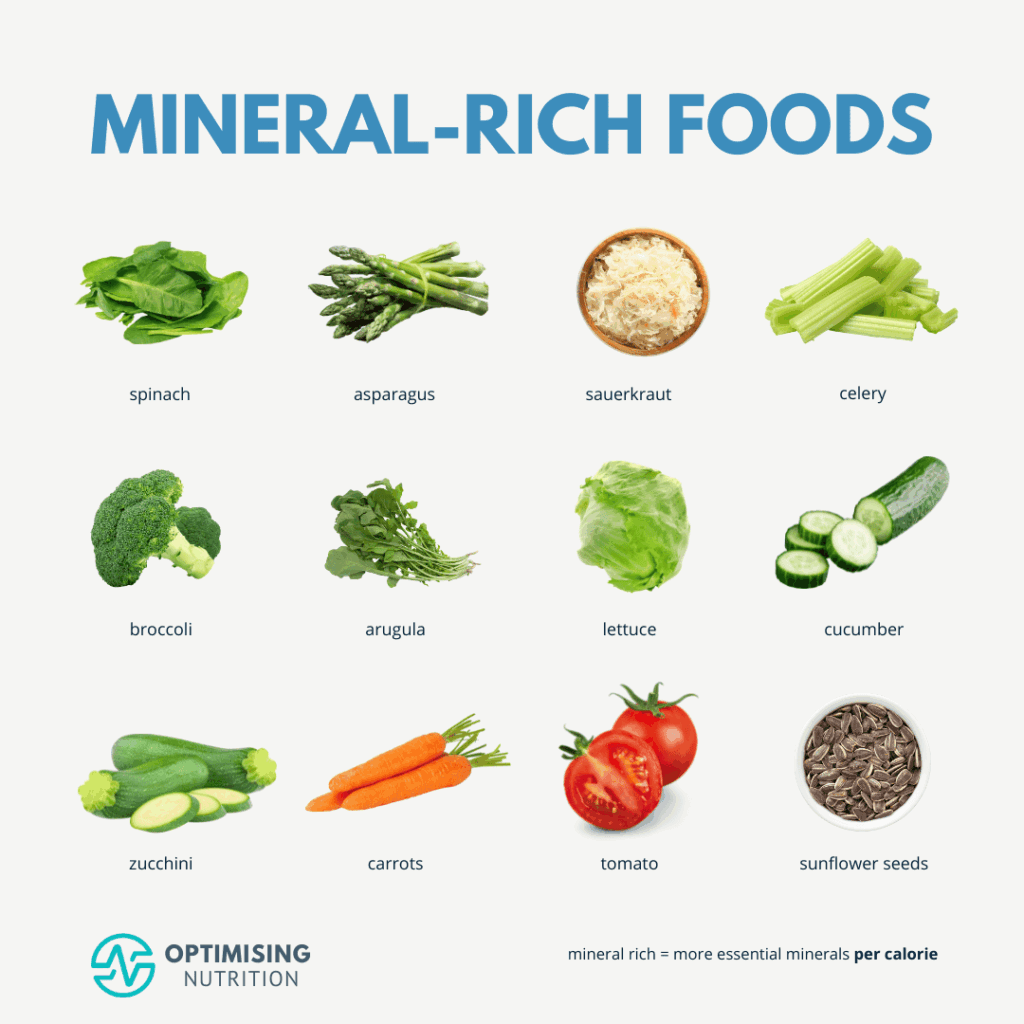
Mineral salts are an essential part of our body composition, making up only 6-7% of our total weight but playing a crucial role in various biological functions and growth. These inorganic compounds are vital for maintaining optimal health, and their absence can lead to unpleasant consequences.
What Are Mineral Salts?
Mineral salts refer to inorganic compounds that play a starring role in the functioning of all living organisms, including us. They can be found in our body in various forms, both bound to organic molecules and in inorganic form. When in solution, mineral salts can be either ionized or non-ionized.
Classification of Mineral Salts
Mineral salts are classified according to daily intake into three main groups: Macroelements, Oligoelements, and Microelementals. The first group includes minerals present in discrete quantities in the body, such as calcium, phosphorus, magnesium, sulfur, sodium, potassium, and chloride. These minerals are essential for maintaining optimal health.
Complete List of Mineral Salts
Here is a comprehensive list of mineral salts:
- Calcium
- Magnesium
- Phosphorus
- Potassium
- Chloride
- Sodium
- Iron
- Copper
- Zinc
- Iodine
- Fluorine
- Selenium
- Molybdenum
- Manganese
- Arsenic
- Boron
- Bromine
- Chromium
- Germanium
- Nickel
- Silicon
- Vanadium
- Tungsten
Bioavailability of Mineral Salts
Bioavailability refers to the percentage of ingested substance that is actually absorbed, transported to the site of action, and converted into an active form. This parameter depends on various factors interacting with each other and are not all controllable.
Foods and Mineral Salts
Mineral salts are essential for regulating control functions, regulation, and structure in our body. They can be found in various foods, such as:
- Calcium: milk, dairy products, green vegetables, legumes, cereals
- Phosphorus: milk, meat, fish, eggs, liver, cereals, legumes
- Potassium: bananas, cereals, green vegetables, meat
- Sodium and chloride: table salt
- Magnesium: cereals, legumes, almonds, walnuts
- Iron: various foods
Mineral Salt Supplements
A balanced diet rich in fruits and vegetables is sufficient to take the amount of mineral salts our body needs. However, there may be special situations where using supplements can be useful to fill a nutritional gap.
Benefits of Mineral Salts Supplements
While mineral salt supplements are not necessary for everyone, they can provide essential minerals for maintaining optimal health, regulating control functions, and structure in our body. Some benefits of taking mineral salt supplements include:
- Maintaining strong bones and teeth
- Supporting healthy heart function
- Regulating blood sugar levels
- Supporting immune system function
- Promoting energy production
Frequently Asked Questions
Here are some key questions related to mineral salts:
-
What are the most essential mineral salts for our health?
The three main groups of mineral salts – Macroelements, Oligoelements, and Microelementals – include calcium, phosphorus, magnesium, sulfur, sodium, potassium, iron, copper, zinc, iodine, fluorine, selenium, molybdenum, manganese, and others. -
What is the importance of bioavailability in mineral salts?
Bioavailability refers to the percentage of ingested substance that is actually absorbed, transported to the site of action, and converted into an active form. Understanding bioavailability can help individuals make informed decisions about incorporating mineral salt supplements into their diet. -
How can I ensure adequate intake of mineral salts through my diet?
A balanced diet rich in fruits and vegetables is sufficient to take the amount of mineral salts our body needs. However, incorporating specific foods such as calcium-fortified milk, iron-rich red meat, and potassium-rich bananas into your diet can help. -
Are there any special situations where using supplements may be beneficial?
Yes, using mineral salt supplements may be beneficial in certain situations, such as during a sporting event or in environments with high temperatures. -
What are the potential risks associated with taking mineral salt supplements?
While generally safe, taking excessive amounts of certain minerals through supplements may lead to adverse effects. It is essential to consult a healthcare professional before adding any new supplements to your regimen. -
How often should I take mineral salt supplements?
The frequency of supplement intake depends on individual needs and health status. Consult with a healthcare professional to determine the best course of action for your specific situation.
Mineral Salts Deficiency
A deficiency in mineral salts can lead to various health problems, such as:
- Osteoporosis
- Fatigue
- Muscle weakness
- Poor wound healing
- Skin problems
Prevention and Treatment
Preventing mineral salt deficiencies is crucial for maintaining optimal health. A balanced diet rich in fruits and vegetables, along with regular exercise and adequate hydration, can help prevent deficiencies.
If a deficiency has already occurred, treatment options may include:
- Dietary changes: Increasing consumption of specific foods rich in the deficient mineral
- Supplements: Taking supplements to fill the nutritional gap
- Medical treatment: In severe cases, medical treatment may be necessary
Conclusion
Mineral salts are essential for maintaining optimal health, regulating control functions, and structure in our body. Understanding their importance, classification, and bioavailability can help individuals make informed decisions about incorporating mineral salt supplements into their diet. By consulting with a healthcare professional and following a balanced diet rich in fruits and vegetables, you can ensure adequate intake of these vital minerals.
Additional Resources
For more information on mineral salts, including related articles and exercises for abdominal muscle strengthening, please visit our website.
Common Mineral Salts Deficiency Symptoms
- Calcium: weakness in muscles, bones, or teeth
- Phosphorus: fatigue, weakness, poor bone growth
- Potassium: muscle cramps, weakness, heart arrhythmias
- Sodium and chloride: muscle cramps, weakness, dehydration
- Magnesium: weakness, fatigue, muscle cramps
- Iron: anemia, fatigue, weakness
- Copper: immune system problems, connective tissue damage
- Zinc: impaired wound healing, weakened immune system
- Iodine: thyroid problems, fatigue, muscle weakness
- Fluorine: dental caries, bone health issues
- Selenium: immune system problems, hair loss, skin problems
- Molybdenum: iron metabolism disorders, cancer risk
- Manganese: impaired bone growth, metabolic disorders
- Arsenic: organ damage, cancer risk, neurological problems
- Boron: osteoporosis, thyroid problems, anxiety
- Bromine: heart arrhythmias, thyroid problems, skin rashes
Mineral Salts Deficiency in Different Populations
- Children and adolescents: growth retardation, bone health issues
- Pregnant women: preterm labor, low birth weight
- Older adults: osteoporosis, anemia, muscle weakness
- Athletes and fitness enthusiasts: fatigue, muscle cramps, decreased performance
Mineral Salts Deficiency in Specific Conditions
- Diabetes: impaired wound healing, nerve damage
- Kidney disease: mineral imbalance, increased risk of infections
- Liver disease: mineral metabolism disorders, impaired bone health
- Cancer: impaired nutrient absorption, increased risk of complications


