
What is Mindfulness Meditation?
Mindfulness meditation is a powerful technique that helps us become more aware of our thoughts, emotions, and actions in the present moment. By cultivating this awareness, we can learn to let go of negative patterns and develop a greater sense of calm and clarity. This ancient practice has its roots in Buddhism, as well as other Eastern spiritual traditions, including Zen and Yoga.
The Goal of Mindfulness Meditation
The primary goal of mindfulness meditation is to help us recognize and manage negative thought patterns that can lead to depression, anxiety, and other mental health issues. By practicing mindfulness, we can develop a greater understanding of ourselves and our emotions, which can lead to more positive outcomes in our personal and professional lives.
How Does Mindfulness Meditation Work?
Mindfulness meditation works by helping us become more aware of our thoughts, feelings, and physical sensations in the present moment. This awareness allows us to respond more mindfully to challenging situations, rather than reacting impulsively. By cultivating this awareness, we can develop a greater sense of control over our emotions and behaviors.
The Benefits of Mindfulness Meditation
Mindfulness meditation has been shown to have numerous benefits for both physical and mental health. These include:
- Reduced stress and anxiety: Mindfulness meditation has been proven to decrease the production of stress hormones like cortisol, leading to a decrease in anxiety and stress levels.
- Improved mood and emotional regulation: By cultivating awareness of our thoughts and emotions, we can better regulate our mood and respond more positively to challenging situations.
- Increased self-awareness and self-acceptance: Mindfulness meditation helps us develop a greater understanding of ourselves, including our strengths, weaknesses, and motivations.
- Enhanced focus and concentration: Regular practice of mindfulness meditation can improve attention and concentration by training the mind to stay focused on the present moment.
- Better sleep quality: Mindfulness meditation has been shown to improve sleep quality by reducing stress and anxiety, making it easier to fall asleep and stay asleep.
Practicing Mindfulness Meditation: A Step-by-Step Guide
- Finding a Quiet Space: Identify a quiet, comfortable space where you can sit and meditate without distractions. This could be a corner of your home, a local park, or a meditation studio.
- Setting an Intention: Set an intention to cultivate mindfulness and awareness in your daily life. This intention should be specific, positive, and achievable.
- Focusing on Your Breath: Bring your attention to your breath, noticing the sensation of the air moving in and out of your body. You can use a mantra or a physical anchor like the sensation of your feet on the ground to help you stay focused.
- Observing Your Thoughts: Observe your thoughts without judgment, allowing them to pass like clouds in the sky. Don’t try to engage with or analyze your thoughts – simply observe them as they arise.
- Cultivating Awareness: Cultivate awareness of your physical sensations, emotions, and surroundings. Take note of the sights, sounds, and smells around you, and allow yourself to fully experience each moment.
Mindfulness Meditation in Milan
In the heart of Milan, there is a dedicated center for mindfulness meditation that offers various programs and services. Trained professionals work with individuals and groups to explore the intersection of psychology and meditation, drawing from both Western and Eastern traditions. This center provides a supportive environment for beginners and experienced meditators alike, offering guidance and resources to help you deepen your practice.
Recommended Reading: “Method Mindfulness” by Mark Williams
For those looking to deepen their understanding of mindfulness practices, Mark Williams’ book “Method Mindfulness” offers a comprehensive guide to cultivating happiness and well-being through mindfulness. This accessible and practical guide provides a step-by-step approach to integrating mindfulness into daily life, covering topics such as cultivating awareness, managing emotions, and developing self-compassion.
Frequently Asked Questions
Q: What is the difference between mindfulness meditation and meditation in general?
A: Mindfulness meditation focuses specifically on developing awareness of the present moment, whereas other forms of meditation may focus on specific goals or outcomes. While other types of meditation can also cultivate mindfulness, the primary goal of mindfulness meditation is to increase awareness and acceptance of the present moment.
Q: Can anyone practice mindfulness meditation?
A: Yes, anyone can practice mindfulness meditation, regardless of age or experience level. It’s a skill that can be learned and developed over time with regular practice.
Q: How long does it take to see benefits from practicing mindfulness meditation?
A: The benefits of mindfulness meditation can be seen almost immediately, but regular practice is necessary to sustain them. Even a few minutes of mindfulness practice each day can lead to noticeable improvements in stress levels, mood, and overall well-being.
Q: Is mindfulness meditation suitable for everyone?
A: While mindfulness meditation has numerous benefits, it’s not a replacement for medical treatment or therapy. Consult with a healthcare professional before starting a mindfulness practice, especially if you have any underlying mental health conditions.
Q: Can I practice mindfulness meditation on my own?
A: Yes, you can practice mindfulness meditation on your own, but working with a trained guide or therapist can provide additional support and guidance. This is especially helpful for beginners who may struggle to establish a consistent practice.
Q: How do I know if I’m doing it right?
A: The key to mindfulness meditation is consistency and patience. Regular practice will help you develop greater awareness and insight into your thoughts, emotions, and behaviors. Don’t worry if your mind wanders – simply acknowledge the thought and gently bring your attention back to your breath or chosen focus.
Q: Is there anything else I need to know before starting a mindfulness practice?
A: Yes, being kind and compassionate towards yourself as you begin your mindfulness journey is essential. It’s okay if your mind wanders – simply acknowledge the thought and gently bring your attention back to your breath or chosen focus. Remember that the goal of mindfulness meditation isn’t to achieve a specific state or outcome, but rather to cultivate awareness and acceptance in the present moment.
Tips for Developing a Consistent Mindfulness Practice
- Start small: Begin with short periods of mindfulness practice, such as 5-10 minutes per day, and gradually increase the duration as you become more comfortable with the practice.
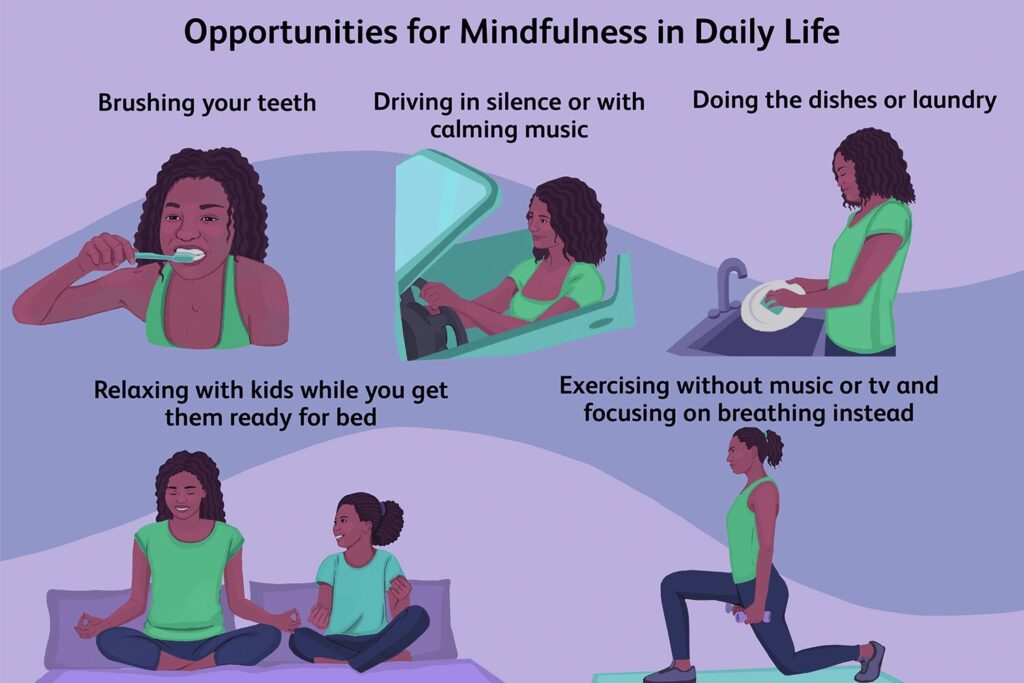
- Make it a habit: Incorporate mindfulness meditation into your daily routine, just like brushing your teeth or taking a shower.
- Find a community: Join a local mindfulness group or find an online community to connect with others who share your interest in mindfulness.
- Be patient: Developing a consistent mindfulness practice takes time and patience. Don’t get discouraged if you miss a day or two – simply acknowledge the thought and gently bring your attention back to your breath or chosen focus.
Conclusion
Mindfulness meditation is a powerful tool for cultivating awareness, acceptance, and well-being in our daily lives. By incorporating this ancient practice into our routine, we can develop greater control over our emotions, thoughts, and behaviors, leading to more positive outcomes in our personal and professional lives. Whether you’re a beginner or an experienced meditator, there’s always room to deepen your practice and explore the many benefits of mindfulness meditation.


