
Introduction
The mimosa pudica, commonly known as the sensitive plant, is a fascinating species of mimosa that has captured the attention of botanists and gardeners alike. Its unique ability to respond to touch or vibrations by folding its leaves is a remarkable example of a phenomenon called tigmonastia, which serves as a defense mechanism against environmental stressors.
History and Etymology
The name “mimosa sensitiva” is derived from the plant’s ability to respond to stimuli. This species is part of the Mimosaceae family and has been studied extensively in botany. The sensitive plant’s leaves are delicate and can be easily damaged by wind, which triggers this defensive mechanism.
Characteristics of the Mimosa Pudica
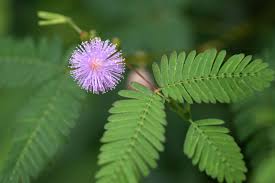
The mimosa pudica is a perennial plant with a semilegumous stem and branching thorns. Its leaves are pinnate, composed of 12-25 pairs of leaflets, and have an intense green color. The plant is valued for its ornamental mobile leaves but also produces beautiful flowers.
Flowers and Fruits
The mimosa pudica’s flowers are attinomorphic, with a corolla made up of four to five small petals and prominent stamens. The inflorescence has a characteristic puffy appearance, measuring about one centimeter in diameter and having a lila-rosa color. The fruit is an irritable seed pod that contains two to four seeds per 2 mm in diameter.
Cultivation
The mimosa pudica can be cultivated both in pots and in full soil. In pot cultivation, it requires spacious containers as the plant needs ample space to grow. The sensitive plant should be protected from harsh winter conditions by providing a sheltered environment. It thrives in temperatures around 20°C.
Lighting Requirements
The mimosa pudica requires bright, indirect light but should avoid direct sunlight, which could cause scorching. Providing sufficient humidity is also essential for its optimal growth.
Sowing Seeds
Seeding the mimosa pudica is a simple method of propagation. Plant seeds in spring using a well-draining soil mix and keep it moist until germination. Sowing seeds may take longer than other plants, but with proper care, they can thrive.
Buying Seeds or Plants
You can buy both seeds and adult plants from nurseries and online marketplaces like Amazon. Prices vary depending on the size of the plant or number of seeds purchased. Although seeds are generally cheaper, their germination rate is relatively low, so only a few may result in viable seedlings.
Propagation by Division or Seed
Instead of buying a mimosa pudica, you can propagate it through division or seed. Division is done during the summer with young stems, while seeds mature in the spring.
Growing Conditions and Care
Mimosa pudica needs well-draining, moist soil to grow properly. It thrives in temperatures between 15°C and 25°C (59°F-77°F). It requires regular watering but can tolerate some drought once it has reached maturity. If your plant is not getting enough nutrients, you might notice yellowing leaves.
Why Are the Leaves of Mimosa Pudica Yellow?
Yellowing leaves in mimosa pudica could be due to a lack of nitrogen or excessive moisture. To understand this better, let’s delve into why plants often get leaf discoloration.
Leaf Discoloration: A Common Issue in Plants
Leaf discoloration is a common issue that can affect many plant species. There are several reasons behind this phenomenon, including:
- Nutrient deficiencies
- Environmental stressors such as drought or extreme temperatures
- Pests or diseases
- Physical damage
How to Identify and Address Leaf Discoloration in Mimosa Pudica
To identify leaf discoloration in mimosa pudica, look for the following signs:
- Yellowing leaves: The most common sign of leaf discoloration is yellowing leaves. This can be due to a lack of nitrogen or excessive moisture.
- Wilting: If the plant’s leaves are wilting, it may indicate a lack of water or extreme temperatures.
- Leaf drop: If leaves are falling off the plant, it could be due to physical damage or pest infestation.
To address leaf discoloration in mimosa pudica, follow these steps:
- Check the soil moisture: Make sure the soil is not too wet or dry. Mimosa pudica prefers moist soil but can tolerate some drought once it has reached maturity.
- Fertilize the plant: Provide your plant with a balanced fertilizer to address any nutrient deficiencies.
- Prune damaged leaves: Remove any damaged or yellowing leaves to prevent further damage and promote healthy growth.
Common Pests and Diseases Affecting Mimosa Pudica
Mimosa pudica is susceptible to several pests and diseases, including:
- Aphids: These small, soft-bodied insects can cause significant damage to the plant’s leaves.
- Whiteflies: These tiny, winged insects can transmit diseases such as tomato spotted wilt virus.
- Fungal infections: Mimosa pudica can be affected by fungal infections such as leaf spot and root rot.
Preventing Pests and Diseases
To prevent pests and diseases in mimosa pudica, follow these steps:
- Inspect the plant regularly: Regularly inspect your plant for any signs of pest infestation or disease.
- Use organic methods: Use organic methods to control pests and diseases, such as neem oil or insecticidal soap.
- Provide good air circulation: Good air circulation can help prevent fungal infections.
Conclusion
The sensitive plant’s unique ability to fold its leaves in response to stimuli makes it an intriguing subject for botanists and gardeners. With proper care and conditions, mimosa pudica can be grown both indoors and outdoors, providing a beautiful ornamental feature to any space.


