
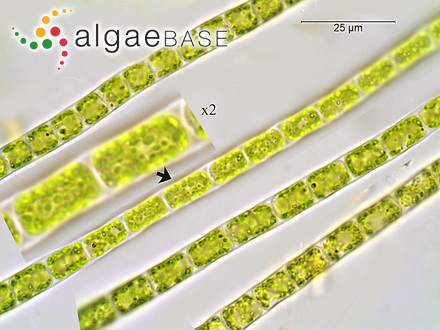
As we explore the natural world, it’s easy to overlook the tiny entities that inhabit our planet. However, when we delve deeper into the realm of microspores, we discover a fascinating world of complexity and importance.
What are Microspores?
Microspores are the male gametes of sporophytes, which means they have a crucial role in pollination. In plants belonging to angiospermous and gymnospermous categories, microspores form a pollen tube that fertilizes the macrospore. It’s essential to note that microspores are not the same as macrospores.
The process of reproduction involves meiosis, where the number of chromosomes is halved to produce haploid cells called microspores. These microspores develop into pollen grains after undergoing a series of developmental stages, including cell division and differentiation. The mature pollen grain consists of a wall structure that protects the sperm cells from the environment.
Microspores and Protozoa
When we combine the term “microspora” with “protozoa,” we’re talking about the Phylum of Protozoa, which comprises around 800 species of obligate intracellular parasites, primarily affecting arthropods and fish. These tiny spores are chitin-based, measuring between 2 to 20 μm in size, and contain a unique infectious body called sporoplasma.
Protozoans are single-celled organisms that live as parasites or symbionts within other animals. They play an essential role in maintaining the balance of ecosystems by controlling the populations of their hosts. Microspores, on the other hand, have evolved to infect plants and fungi, producing infectious spores that can spread through the air or water.
Phylum Rudimicrosporea
This phylum is characterized by parasitic Gregarine species that live as parasites of Annelids. The sole order within this phylum is Metchnikovellida, featuring spherical spores with rudimentary exudation apparatus and lacking polaroplasts.
Rudimicrospore-infected annelids are often found in aquatic environments, where the parasitic relationship benefits both the host and the parasite. For example, some species of earthworms may harbor Rudimicrosporea, which can lead to changes in the worm’s behavior or physiology.
Phylum Microsporea
This phylum comprises spores with a complex exudation apparatus and a three-layered wall structure, composed of different thicknesses and chemical compositions. This category includes two orders: Minisporidi and Microsporidi.
Microsporidians are single-celled organisms that infect plants, insects, and other animals. They have evolved to produce infectious spores that can survive outside the host and re-infect the animal after it is ingested or comes into contact with contaminated soil.
Microspores in Botany
In botany, microspores are associated with tappeti (mattresses). These microstructures consist of cells surrounding the mother cells of microspores, which later develop into pollen grains after meiosis. Tappeti provide nourishment to the developing microspore cells during their growth.
There are two types of tappeti: secretory and invasive. The first type secretes substances, which then autolize as they subside. The second type invades the surrounding tissues, causing damage to the plant cell walls.
Microspores in Combination with Megaspores
In some organisms known as heterosporeic, we find microspores co-occurring with megaspores. However, the majority of plants that reproduce via spores without seeds produce only one class of spores. Aquatic or semi-aquatic plants, such as Marsilea, Regnellidium, Pilularia, Salvinia, and Azolla, are examples of megaspore-bearing species.
Microspores in the Laboratory
A recent breakthrough in the field of microspores has been made by Ms Biotech in Campobasso. This company has developed a complex microbial mixture with high concentration levels of multitasking microbes from soil, consisting of Pgpr bacteria and fungi. While this innovation may seem unexciting at first, it holds great potential for concrete and impactful results.
By further developing this technology, it will be possible to select beneficial microorganisms for soil fertilization and plant protection, thereby activating specific processes and monitoring their effects over time. For agricultural businesses, this could represent a significant shift towards organic farming models, utilizing pre-mixed preparations containing bacteria and fungi specifically designed to enhance soil fertility and produce crops while minimizing harm.
Conclusion
The world of microspores is full of fascinating complexity and importance. From the realm of protozoa to their role in plant biology, microspores play a vital part in our understanding of the natural world. By continuing to explore and develop new technologies, we may uncover even more secrets about these tiny but mighty organisms.
Frequently Asked Questions
- What are microspores?
Microspores are the male gametes of sporophytes, responsible for pollination. - Where do microspores live?
Microspores can be found in plants, particularly those belonging to angiospermous and gymnospermous categories. - Are microspores related to macrospores?
No, microspores are not the same as macrospores; they have distinct characteristics and roles in plant reproduction. - What is the Phylum of Protozoa?
The Phylum of Protozoa comprises around 800 species of obligate intracellular parasites, primarily affecting arthropods and fish. - How do microspores develop into pollen grains?
Microspores develop into pollen grains after meiosis, which occurs within the tappeti (mattresses) surrounding the mother cells. - What is the role of microspores in plant biology?
Microspores play a crucial role in pollination and are associated with tappeti (mattresses), which provide nourishment to developing microspore cells during growth. - Can microspores be used for agricultural purposes?
Yes, microspores can be utilized for soil fertilization and plant protection through targeted microbial mixtures. - How does Ms Biotech’s technology contribute to our understanding of microspores?
Ms Biotech’s technology develops complex microbial mixtures with high concentration levels of multitasking microbes from soil, which may lead to significant breakthroughs in agricultural practices.
Microspore Research: Emerging Trends
Recent advances in microspore research have led to the discovery of new biological processes and mechanisms. For example:
- Microspore-mediated gene transfer: Scientists have discovered that microspores can transfer genes between plants, potentially leading to the development of new crops with improved traits.
- Microspore-based biotechnology: Researchers are exploring the use of microspores in biotechnology applications, such as biodegradation and phytoremediation.
- Microspore-induced stress responses: Studies have shown that microspores can induce stress responses in plants, potentially leading to improved disease resistance.
Conclusion
In conclusion, the world of microspores is a fascinating realm that holds many secrets about plant biology, parasitology, and biotechnology. By continuing to explore and develop new technologies, we may uncover even more insights into these tiny but mighty organisms.


