
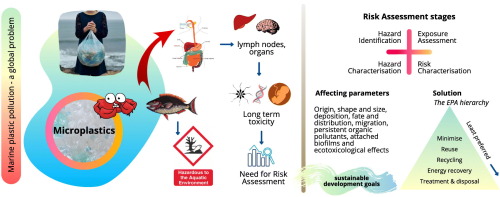
As we go about our daily lives, it’s easy to overlook the tiny plastic particles that are polluting our planet. But microplastics pose a significant threat to both the environment and human health.
What Are Microplastics?
Microplastics are small, synthetic particles made from plastic materials that are less than 5 millimeters in diameter. They are formed when larger pieces of plastic are broken down into smaller fragments through mechanical or chemical processes. This process is called fragmentation, and it’s a major contributor to the problem of microplastic pollution.
The term “microplastic” was first used by scientists in the 1990s to describe the small plastic particles that were accumulating in the environment. However, it wasn’t until recent years that the full extent of the problem became apparent.
The Origins of Microplastics
Microplastics can come from a variety of sources, including:
- Plastic debris: Large pieces of plastic, such as bags and bottles, can break down into smaller fragments through weathering or erosion.
- Synthetic fibers: Synthetic fibers, such as polyester and nylon, can be shed during washing or wear and tear, contributing to microplastic pollution.
- Microbeads: Microbeads are small plastic particles that are used in personal care products, such as face wash and toothpaste. However, they have been shown to contribute significantly to microplastic pollution.
The Impact of Microplastics on the Environment
Microplastics are not just limited to marine ecosystems; they have been found in soil, air, and even on the highest peaks of mountains. The impact of microplastics on the environment is far-reaching, with many species being affected by their presence. For example:
- Mediterranean Sea: The Mediterranean Sea is one of the most contaminated regions in the world, with high levels of microplastic pollution.
- Everest: In 2020, a team of researchers from National Geographic discovered microplastics on Mount Everest, highlighting the widespread presence of these pollutants.
- Arctic Ocean: Microplastics have been found in the Arctic Ocean, contaminating the region’s delicate ecosystem.
Microplastics in Food
Microplastics are also present in our food supply. Studies have shown that:
- Fruits and Vegetables: Microplastics have been found in various types of fruits and vegetables, including apples, pears, potatoes, carrots, lettuce, and broccoli.
- Seafood: Many species of seafood have been contaminated with microplastics, highlighting the need for better testing and regulation.
Health Risks Associated with Microplastics
The health risks associated with microplastics are still being studied, but it’s clear that they pose a significant threat to human health. Some potential risks include:
- Ingestion: Microplastics can be ingested through food, water, and air, leading to the accumulation of these pollutants in our bodies.
- Toxic Effects: Microplastics have been shown to have toxic effects on human cells, including accelerating cell death and causing inflammation.
Prevention is Key
Reducing plastic usage and implementing policies to address microplastic pollution are essential steps towards mitigating the effects of this growing problem. By working together, we can create a healthier, more sustainable future for all.
Some ways to reduce your exposure to microplastics include:
- Using reusable bags and containers
- Choosing products with minimal packaging
- Avoiding personal care products that contain microbeads
Conclusion
The threat posed by microplastics is significant, with far-reaching consequences for both the environment and human health. It’s essential that we take immediate action to reduce our plastic usage and implement policies to address this growing problem.
By working together, we can create a better future for all.
Frequently Asked Questions
- What are microplastics?
Microplastics are small synthetic particles made from plastic materials that are less than 5 millimeters in diameter. - How common is microplastic pollution?
Microplastic pollution is widespread, with high levels found in oceans, soil, air, and even on the highest peaks of mountains. - What are the health risks associated with microplastics?
The health risks associated with microplastics include ingestion, toxic effects, and potential cancer-causing properties. - How can I reduce my exposure to microplastics?
Reducing plastic usage, using reusable bags and containers, and choosing products with minimal packaging can help minimize your exposure to microplastics. - What can be done to address the issue of microplastic pollution?
Implementing policies to reduce plastic usage, increasing recycling rates, and promoting sustainable practices can help mitigate the effects of microplastic pollution.
Further Reading
- Microplastics in Food: A Review of the Current State of Knowledge
- The Impact of Microplastics on Marine Ecosystems
- The Health Effects of Ingesting Microplastics


