
Introduction
Yellowstone National Park, located in the northwestern corner of Wyoming, USA, is a haven for nature lovers and a symbol of conservation. As one of the largest intact ecosystems between the Tropics and the Arctic Circle, it’s home to an incredible array of wildlife and natural wonders. But did you know that this iconic park has also been at the forefront of sustainable energy solutions?
A Brief History of Yellowstone
Founded in 1872 and designated a UNESCO World Heritage Site in 1978, Yellowstone is the world’s first national park. This momentous occasion marked a significant shift in conservation efforts, as the U.S. government recognized the importance of preserving this unique ecosystem for future generations.
In the early years, Yellowstone faced numerous challenges, including gold rushes, logging, and hunting. However, through concerted efforts by conservationists, scientists, and local communities, the park was able to maintain its pristine status. Today, Yellowstone National Park is a thriving example of effective conservation, with over 3 million visitors per year.
Environmental Concerns
In recent years, Yellowstone has faced environmental controversies surrounding the construction of a hydroelectric power plant. The proposed facility would have generated electricity by harnessing the park’s natural water sources, but concerns were raised regarding its potential impact on local wildlife and aquatic ecosystems.
After intense negotiations, an agreement was reached that ensured no negative impact on the park’s cultural heritage. This compromise marked a significant turning point in Yellowstone’s history, as it demonstrated the ability of stakeholders to work together towards a common goal: preserving the park’s natural beauty while meeting the energy needs of local communities.
The Microhydro Project
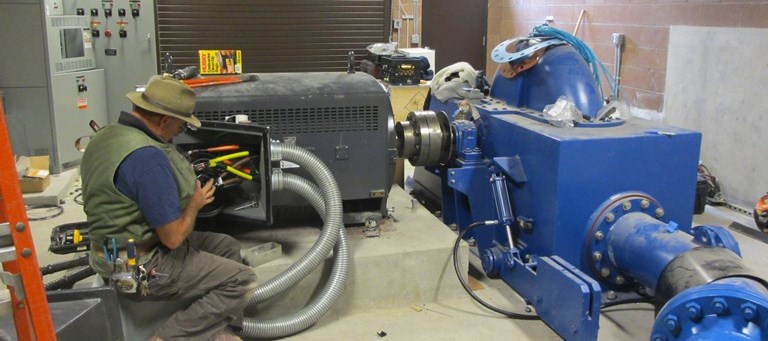
The microhydro project is a small-scale hydropower facility that harnesses treated water from Mammoth Hot Springs to generate electricity for the local community. This innovative solution addresses several key challenges:
- Carbon footprint reduction: The microhydro project reduces greenhouse gas emissions by approximately 800 tons annually, contributing significantly to mitigating climate change.
- Environmental protection: Unlike large-scale hydroelectric projects, this facility poses no risk of disrupting local aquatic ecosystems or harming wildlife populations.
- Community benefits: The microhydro project saves residents around $73,000 annually on their electricity bills and provides clean energy for local homes, businesses, and infrastructure.
Design and Construction
The microhydro project involves a complex design process that balances the needs of the park’s ecosystem with the requirements of the local community. Key considerations include:
- Water treatment: The facility uses treated water from Mammoth Hot Springs to generate electricity, minimizing the risk of environmental harm.
- Electricity generation: A micro-turbine generates electricity at a capacity of up to 240 kilowatts, with an estimated average capacity of 175 kilowatts.
- Power transmission: The facility uses a high-efficiency power transmission system to transmit energy to the local grid, ensuring minimal loss and maximum efficiency.
Maintenance and Cost
Contrary to expectations, maintaining the microhydro project requires only two minutes per day from an employee, with total operational costs estimated at less than $5,000 (approximately €4,200) per year – or about $400 per month. This is a tiny price to pay for the significant environmental benefits.
Conclusion
In conclusion, Yellowstone National Park’s microhydro project is a shining example of innovative sustainable energy solutions. By harnessing treated water from Mammoth Hot Springs, this facility not only generates clean energy but also reduces the park’s carbon footprint and saves residents money on their electricity bills.
Frequently Asked Questions (FAQs)
- What is the purpose of the microhydro project at Yellowstone National Park?
The microhydro project aims to generate clean energy while minimizing environmental impact on the park’s cultural heritage. - How much does it cost to visit Yellowstone National Park in June?
Flights from Rome to Jackson Hole can cost around €750 (approximately $850 USD) per person in June, depending on the airline and availability. - What is the estimated carbon footprint reduction thanks to the microhydro project?
The microhydro project reduces greenhouse gas emissions by approximately 800 tons annually, contributing significantly to mitigating climate change. - How much does it cost to maintain the microhydro project?
Maintaining the microhydro project requires only two minutes per day from an employee and has estimated annual operational costs of less than $5,000 (approximately €4,200). - Will the microhydro project disrupt local aquatic ecosystems or harm wildlife populations?
No, unlike large-scale hydroelectric projects, this facility poses no risk to local aquatic ecosystems or harming wildlife populations. - What are the estimated benefits of the microhydro project for the local community?
The microhydro project saves residents around $73,000 annually on their electricity bills and provides clean energy for local homes, businesses, and infrastructure. - Is the microhydro project a viable alternative to traditional fossil fuel-based power plants?
Yes, the microhydro project demonstrates that sustainable energy solutions can be both effective and environmentally friendly alternatives to traditional fossil fuel-based power plants. - What is the future of sustainable energy projects like the microhydro project at Yellowstone National Park?
The success of the microhydro project at Yellowstone sets a precedent for other national parks and protected areas to adopt innovative, eco-friendly energy solutions that prioritize both environmental conservation and community needs.
Conclusion
The microhydro project at Yellowstone National Park serves as a model for sustainable energy development in national parks and protected areas. By embracing clean energy technologies and minimizing environmental impact, we can ensure a more sustainable future for generations to come.


