
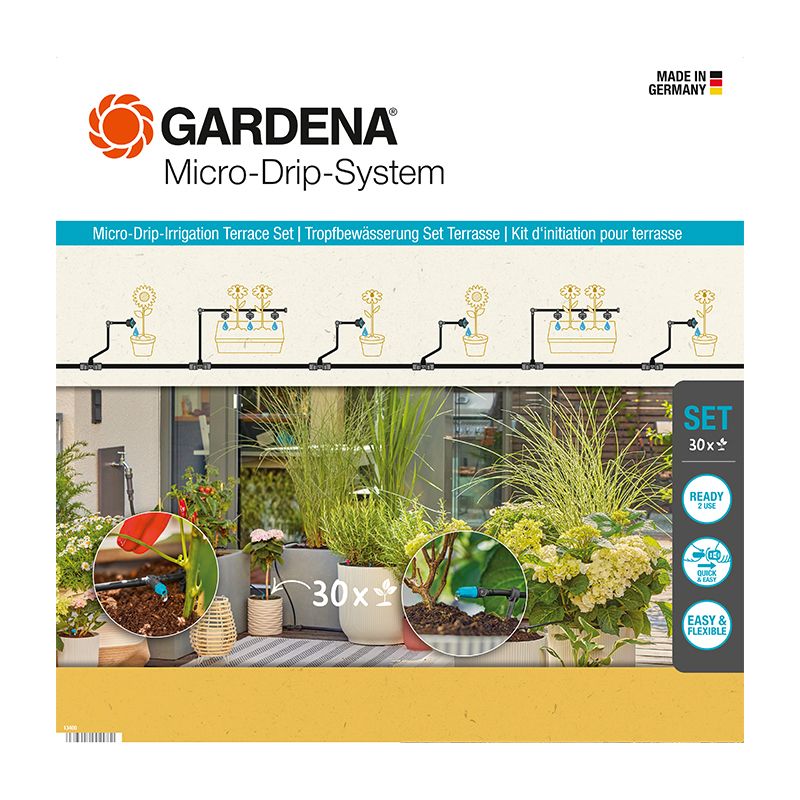
As a balcony dweller or patio gardener, you’re likely no stranger to the challenges of watering plants without making a mess. However, with the rise of microirrigation systems, it’s easier than ever to keep your green friends hydrated and happy. In this article, we’ll walk you through the process of setting up a microirrigation system on a balcony or patio, from materials to installation.
What is Microirrigation?
Microirrigation is an efficient watering method that delivers water directly to the roots of plants, reducing evaporation and runoff. This approach ensures your plants receive the right amount of water, eliminating waste and minimizing splashing onto nearby surfaces. By using microirrigation, you’ll enjoy:
- Reduced water consumption
- Improved plant growth and health
- Increased property value
History of Microirrigation
Microirrigation has been around for several decades, but its popularity has grown significantly in recent years due to advancements in technology and the increasing awareness of water conservation. The first microirrigation systems were developed in the 1970s by agricultural researchers, who discovered that by delivering water directly to the roots of plants, they could improve crop yields and reduce water waste.
Benefits of Microirrigation
Microirrigation offers several benefits over traditional watering methods. Some of the most significant advantages include:
- Reduced water consumption: By delivering water directly to the roots of plants, microirrigation reduces evaporation and runoff, resulting in a more efficient use of water.
- Improved plant growth and health: Microirrigation ensures that plants receive the right amount of water, eliminating waste and minimizing splashing onto nearby surfaces. This leads to healthier plants with improved growth rates.
- Increased property value: A well-maintained balcony or patio garden can increase property value, making it a worthwhile investment for any homeowner or renter.
- Reduced maintenance: Microirrigation systems are designed to be low-maintenance, reducing the need for frequent watering and minimizing the risk of overwatering.
Materials Needed for Microirrigation on a Balcony
To set up a microirrigation system on your balcony or patio, you’ll need the following materials:
- Main pipe (16mm): This is the main channel through which water flows from the faucet to the plants.
- Battery-powered programmer: This device controls the flow of water to the plants, ensuring that they receive the right amount of moisture.
- Pressure reducer: This component reduces the pressure of the water as it flows through the system, preventing damage to the pipes and reducing noise levels.
- Pipe adapter: This is used to connect the main pipe to the programmer and other components of the system.
- Automatic pipe: This is a flexible tube that carries water from the faucet to the plants.
- Drain valve or end cap: This component prevents water stagnation by allowing excess water to drain back into the main pipe.
- Droppers (drip emitter): These are small tubes that deliver water directly to the roots of plants, reducing evaporation and runoff.
- Small pipes (6mm): These are used to connect the droppers to the plants and create secondary lines within the system.
- Adapters for 6mm pipes: These components are used to connect the small pipes to the droppers and other parts of the system.
- Scissors and tubing cutter: These tools are used to cut and trim the pipes and tubes within the system.
Setting Up Your Microirrigation System
To begin, connect the pressure reducer to the water faucet followed by the battery-powered programmer. Then, attach the pipe adapter to the programmer. This gives you your main watering channel.
Next, connect the main pipe (16mm) to the automatic pipe and attach it to the pipe adapter attached to the programmer. Before starting to run the main pipe along the perimeter of your balcony, close the final part by adding a drain valve. This valve will prevent annoying water stagnation.
Run the main pipe along the edges of the plants to be watered, using the tubing cutter to create holes in the 16mm pipe for connecting different 6mm pipes (small pipes). These small pipes will create the secondary line: connect the adapters at two points when necessary and create two pipes for each hole. Use scissors to cut the lengths of the 6mm pipes.
Determine how long the individual pieces of the 6mm pipe should be by starting from the main line and leading the pipe until you reach the pot or plant on the balcony that needs watering. Attach droppers to each small pipe, connecting them to the plants to be watered.
Tips for a Successful Microirrigation Installation
- If you buy a low-cost programmer, know that this device may not survive the winter. With the arrival of autumn’s first frost, disconnect it from the faucet and store it safely.
- Keep your microirrigation system organized by labeling each pipe and dropper.
- Regularly inspect your system for leaks or damage.
Common Mistakes to Avoid
When setting up a microirrigation system on your balcony or patio, there are several common mistakes to avoid. These include:
- Insufficient pressure: If the pressure of the water is too low, it may not reach all parts of the system, leading to reduced watering efficiency.
- Incorrect pipe sizing: Using pipes that are too small can reduce the flow rate of water, while using pipes that are too large can lead to waste and increased water consumption.
- Poorly positioned droppers: Droppers should be positioned at the base of the plants to ensure that they receive a consistent supply of water.
Conclusion
Microirrigation is a simple yet effective way to water plants on a balcony or patio. By following these steps and using the right materials, you can create an efficient watering system that reduces waste and ensures healthy plant growth. With its ease of installation and minimal maintenance, microirrigation is an ideal solution for anyone looking to improve their outdoor space.
FAQs
- What is the main advantage of microirrigation?
Microirrigation reduces water consumption while ensuring plants receive the right amount of water, eliminating waste and minimizing splashing onto nearby surfaces. - How much does a pre-packaged kit cost?
Pre-packaged kits can be found at garden centers or online stores like Amazon, with prices ranging from $20-100+ depending on complexity. - Can I use microirrigation for small gardens or pots?
Yes, microirrigation systems can be adapted for small gardens or pots by using smaller pipes and droppers. - Is microirrigation suitable for all types of plants?
Microirrigation is suitable for most plant species, but may not be effective for plants with shallow roots or those that require more water than others. - Can I install a microirrigation system myself?
Yes, setting up a microirrigation system requires some technical knowledge and materials, but can be done by anyone with the right tools and instructions. - How do I maintain my microirrigation system?
Regularly inspect your system for leaks or damage, clean droppers regularly, and consider labeling each pipe and dropper to ensure efficient watering. - Can I install a microirrigation system on a balcony with shade?
Yes, microirrigation systems can be installed on balconies with shade, but may require additional considerations such as increased water pressure or reduced plant growth due to reduced sunlight. - How long does it take to set up a microirrigation system?
Setting up a microirrigation system typically takes several hours, depending on the complexity of the system and your level of technical expertise.
Advanced Microirrigation Systems
For experienced gardeners or those looking for more advanced watering solutions, there are several options available. These include:
- Drip irrigation systems: These systems use a network of tubes and emitters to deliver water directly to the roots of plants.
- Fog irrigation systems: These systems use fine misting nozzles to create a fog-like effect that is ideal for delicate plants or those grown in shaded areas.
- Soaker hoses: These hoses are designed to deliver water directly to the soil, reducing runoff and evaporation.
Conclusion
Microirrigation is a simple yet effective way to water plants on a balcony or patio. By following these steps and using the right materials, you can create an efficient watering system that reduces waste and ensures healthy plant growth. With its ease of installation and minimal maintenance, microirrigation is an ideal solution for anyone looking to improve their outdoor space.
References
- National Bureau of Standards: “Drip Irrigation” (PDF)
- USDA Natural Resources Conservation Service: “Microirrigation Systems” (PDF)
- American Society for Testing and Materials: “ASTM D5799 – Standard Specification for Drip Irrigation System Components” (PDF)
I hope this comprehensive guide has provided you with the information needed to set up a successful microirrigation system on your balcony or patio.


