
Introduction
In Italy, there is often little distinction between micro, pico, and mini hydroelectric power systems. However, in reality, these three categories have different definitions, which can vary from state to state. In this article, we will delve into the world of micro hydroelectric power, exploring its differences, functionality, costs, and benefits.
What is Micro Hydroelectric Power?
Micro hydroelectric power refers to systems that generate electricity from the energy of moving water, using a turbine to convert kinetic energy into electrical energy. Unlike traditional central hydroelectric power plants, micro hydroelectric systems do not require the construction of dams, as they harness the natural flow of water in rivers or streams.
History of Micro Hydroelectric Power
The concept of micro hydroelectric power has been around for decades. The first small-scale hydroelectric power plant was built in 1887 by French engineer Claude-Antoine Valteaux de la Croix, who constructed a 100 kW power station on the River Meuse in Belgium.
How Does a Micro Hydroelectric System Work?
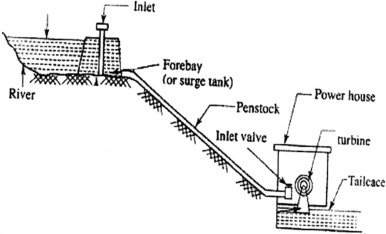
The process begins with a canal or diversion system that directs a portion of the water flow into the turbine. As the water flows through the turbine, it causes the turbine to spin, which in turn drives an alternator to generate electricity. The alternator converts the mechanical energy of the turbine into electrical energy.
Key Components of a Micro Hydroelectric System
A micro hydroelectric system consists of several key components:
- Turbine: The turbine is responsible for converting the kinetic energy of the water flow into rotational energy.
- Alternator: The alternator converts the mechanical energy of the turbine into electrical energy.
- Generator: The generator is used to increase the voltage and efficiency of the electrical output.
- Control System: The control system regulates the flow of water through the turbine, ensuring optimal performance.
Pico vs Micro Hydroelectric Power: What’s the Difference?
While both pico and micro hydroelectric power systems use the same principle, there are key differences between them:
- Power Output: Pico hydroelectric power systems have a lower power output, typically ranging from 2-5 kW, whereas micro hydroelectric power systems can produce up to 100 kW.
- System Size: Micro hydroelectric power systems require more complex infrastructure, including canals, diversion systems, and conduit pipes, which increase their overall size and cost.
Micro Hydroelectric Power Systems: Where Can They Be Installed?
Micro hydroelectric power systems can be installed in various locations, including:
- Rivers: Rivers are an ideal location for micro hydroelectric power systems, as they provide a consistent flow of water.
- Streams: Streams and creeks can also be used to generate electricity with micro hydroelectric power systems.
- Vasques: Artificial lakes or reservoirs, known as vasques, can be created specifically for micro hydroelectric power generation.
Benefits of Micro Hydroelectric Power Systems
Micro hydroelectric power systems offer several benefits:
- Renewable Energy Source: Micro hydroelectric power is a renewable energy source that reduces dependence on fossil fuels.
- Zero Emissions: Micro hydroelectric power generates electricity without producing greenhouse gas emissions or pollution.
- Low Operating Costs: Micro hydroelectric power systems have low operating costs, as they require minimal maintenance and do not need fuel to generate electricity.
Environmental Benefits of Micro Hydroelectric Power Systems
Micro hydroelectric power systems also offer several environmental benefits:
- Conservation of Freshwater Resources: By harnessing the energy of moving water, micro hydroelectric power systems conserve freshwater resources and reduce the impact of human activities on aquatic ecosystems.
- Reduced Greenhouse Gas Emissions: Micro hydroelectric power systems generate electricity without producing greenhouse gas emissions, reducing the contribution to climate change.
Economic Benefits of Micro Hydroelectric Power Systems
Micro hydroelectric power systems also offer several economic benefits:
- Job Creation and Economic Growth: The installation and operation of micro hydroelectric power systems can create jobs and stimulate local economies.
- Reduced Energy Costs: Micro hydroelectric power systems can reduce energy costs for households, businesses, and communities.
Costs of Installing a Micro Hydroelectric Power System
The cost of installing a micro hydroelectric power system varies depending on several factors, including:
- System Size: Larger systems are more expensive to install.
- Infrastructure Costs: Canals, diversion systems, and conduit pipes increase the overall cost of installation.
- Location: The location where the system is installed can affect costs, such as access to water resources.
Conclusion
Micro hydroelectric power is a renewable energy source that offers several benefits. By understanding how micro hydroelectric power systems work and their applications, we can harness this clean energy source for our benefit. Whether you’re looking to reduce your carbon footprint or simply generate electricity from natural sources, micro hydroelectric power is an excellent option.
FAQs
- What is the difference between pico and micro hydroelectric power?
- Pico hydroelectric power systems have a lower power output (2-5 kW) than micro hydroelectric power systems (up to 100 kW).
- Where can micro hydroelectric power systems be installed?
- Micro hydroelectric power systems can be installed in rivers, streams, and artificial lakes or reservoirs.
- What are the benefits of using a micro hydroelectric power system?
- Micro hydroelectric power systems offer renewable energy, zero emissions, low operating costs, and minimal maintenance requirements.
- How much does it cost to install a micro hydroelectric power system?
- The cost of installing a micro hydroelectric power system varies depending on factors such as system size, infrastructure costs, and location.
- Can I use micro hydroelectric power for residential purposes?
- Yes, micro hydroelectric power systems can be used for residential purposes, such as generating electricity from a well or septic tank.
- Are micro hydroelectric power systems suitable for remote locations?
- Micro hydroelectric power systems are often suitable for remote locations where traditional energy sources may not be available.
Best Practices for Installing and Operating Micro Hydroelectric Power Systems
Here are some best practices to consider when installing and operating a micro hydroelectric power system:
- Conduct a Feasibility Study: Before installing a micro hydroelectric power system, conduct a feasibility study to determine whether the site is suitable for hydroelectric generation.
- Choose a Suitable Location: Choose a location that is accessible, has sufficient water flow, and meets local building codes and regulations.
- Select High-Quality Equipment: Select high-quality equipment that is designed specifically for micro hydroelectric power systems.
- Regular Maintenance: Regularly inspect and maintain the system to ensure optimal performance.
By following these best practices and understanding the principles and applications of micro hydroelectric power, you can harness this clean energy source to power your home, business, or community.


