
What is the Mézières Method?
The Mézières method, also known as the Mézierista approach, is a therapeutic technique developed by French physiotherapist Françoise Mézières. This method aims to “normalize” the body’s structure by using muscle work to address various postural and musculoskeletal issues.
A Brief History of the Mézières Method
Françoise Mézières was born in 1909 and began her career as a physiotherapist in France. In the early days, she encountered a patient who had been fitted with a corset to alleviate chronic back pain. Mézières noticed that despite the exercises aimed at strengthening the muscles of the upper back, the patient’s condition worsened due to the rigid nature of the corset. This experience sparked her interest in exploring alternative approaches to traditional physiotherapy.
The Four Catenas of Muscular Structure
Mézières identified four primary catenas (chains) of muscular structure that contribute to various postural and musculoskeletal issues:
- Catena Posteriore: The posterior chain, which includes the latissimus dorsi muscles in the back.
- Catena Antero-Iteriore: The anterior-internal chain, comprising the pectoralis major muscles in the chest.
- Catena Brachiale Anteriore: The brachial-anterior chain, including the deltoid and trapezius muscles in the shoulder region.
- Catena Anteriore del Collo: The anterior-chain of the neck, which includes the sternocleidomastoid muscle.
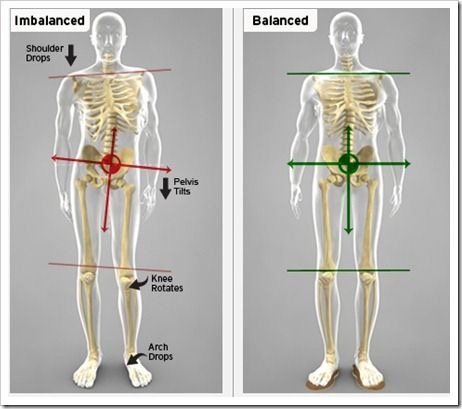
These catenas work together to maintain posture and facilitate movement. However, when they become imbalanced or hypertonic (overactive), it can lead to various health issues, such as scoliosis, lordosis, and pelvic misalignment.
How Does the Mézières Method Work?
The Mézières method focuses on stretching and lengthening these catenas to restore balance and improve musculoskeletal function. The technique involves a combination of exercises that target specific muscle groups, with the goal of relaxing tense muscles and increasing flexibility.
During a typical session, patients are placed in a variety of positions to allow for maximum access and ease of movement. The therapist then guides the patient through a series of stretches and movements designed to stretch and lengthen each chain of muscles.
When is the Mézières Method Indicated?
While the Mézières method can be beneficial for individuals with musculoskeletal issues, it’s not limited to these cases. It can also be used as a preventative measure for those who engage in sedentary lifestyles or have poor posture.
Moreover, the technique may be recommended for individuals suffering from chronic pain, sciatica, and other conditions associated with muscle imbalances.
Experience and Opinions
While some patients report positive experiences with the Mézières method, others express disappointment with its effectiveness. It’s essential to note that every individual’s anatomy is unique, and results may vary depending on the therapist and patient factors.
To gain a more comprehensive understanding of this technique, it’s recommended to consult multiple sources and experience different practitioners before making a decision about incorporating the Mézières method into your treatment plan.
Cost and Accessibility
The cost of sessions can vary greatly depending on location, therapist expertise, and individual needs. Since the Mézières method doesn’t require specialized equipment, costs are typically lower compared to other forms of therapy.
However, investing in ergonomic support systems like ergonomic chairs, cervical pillows, and orthopedic mattresses may be necessary to fully benefit from this technique.
Conclusion
In conclusion, the Mézières method is a therapeutic approach that focuses on restoring balance and flexibility to the body’s muscular structure. While it has its limitations and challenges, it can be an effective tool for individuals seeking relief from musculoskeletal issues and improving overall posture.
By understanding how the Mézières method works, when it’s indicated, and what benefits it offers, you can make a more informed decision about incorporating this technique into your healthcare plan.
Frequently Asked Questions
Q: What are the primary causes of postural imbalances and musculoskeletal issues?
A: The primary catenas of muscular structure (catena posteriore, antero-iteriore, brachiale anteriore, and anterior del collo) contribute to various health issues when they become imbalanced or hypertonic.
Q: How does the Mézières method work its magic?
A: By stretching and lengthening these catenas to restore balance and improve musculoskeletal function through exercises that target specific muscle groups.
Q: Is the Mézières method suitable for all individuals with musculoskeletal issues?
A: While it can be beneficial for those suffering from chronic pain, sciatica, and other conditions associated with muscle imbalances, it’s essential to consult multiple sources and experience different practitioners before making a decision about incorporating this technique into your treatment plan.
Q: Can I expect immediate results from the Mézières method?
A: As with any form of therapy, results may vary depending on individual factors. It’s recommended to be patient and work collaboratively with your therapist to achieve optimal outcomes.
Q: What are some tips for maintaining postural balance and preventing musculoskeletal issues?
A: Engage in regular exercise, maintain good posture, use ergonomic support systems like ergonomic chairs, cervical pillows, and orthopedic mattresses, and practice relaxation techniques to reduce muscle tension.
Q: Can I perform the Mézières method exercises at home?
A: Yes, but it’s recommended to work with a qualified therapist who can provide personalized guidance and ensure proper technique. Self-exercises may lead to injury or ineffective results without proper instruction.
Q: How long does a typical session of the Mézières method last?
A: Sessions typically range from 30 minutes to an hour, depending on individual needs and goals.
Advanced Applications of the Mézières Method
While the Mézières method is primarily used to treat musculoskeletal issues, its applications extend beyond these areas. Some therapists have successfully integrated this technique into their practice to address other health concerns:
- Fibromyalgia Management: The Mézières method can help alleviate chronic pain and discomfort associated with fibromyalgia by addressing muscle imbalances and improving flexibility.
- Scalp and Face Muscles: The method has been applied to relax tense muscles in the scalp and face, reducing tension headaches and migraines.
- Respiratory Issues: By releasing tension in the thoracic and lumbar regions, the Mézières method can help alleviate breathing difficulties and improve lung function.
While these applications show promise, it’s essential to consult a qualified therapist who has experience with these advanced techniques before incorporating them into your treatment plan.
Tips for Maximizing Benefits
To get the most out of the Mézières method, follow these tips:
- Regular Sessions: Schedule regular sessions to maintain consistency and progress.
- Customized Exercises: Work with your therapist to create exercises tailored to your specific needs and goals.
- Progressive Stretching: Gradually increase stretching intensity to avoid injury or discomfort.
- Breathing Techniques: Practice relaxation techniques, such as deep breathing, to enhance the effectiveness of the method.
Common Misconceptions About the Mézières Method
Despite its benefits, there are some common misconceptions about the Mézières method:
- False Advertising: Some practitioners may exaggerate the method’s abilities or promise unrealistic results.
- Lack of Training: Without proper training and experience, therapists may not be equipped to provide effective treatment.
- Unrealistic Expectations: Patients may have high expectations about the method’s effectiveness, leading to disappointment if results are not as anticipated.
To avoid these misconceptions, research reputable sources, consult qualified practitioners, and set realistic expectations for your treatment journey.
Conclusion
In conclusion, the Mézières method is a therapeutic approach that focuses on restoring balance and flexibility to the body’s muscular structure. While it has its limitations and challenges, it can be an effective tool for individuals seeking relief from musculoskeletal issues and improving overall posture.
By understanding how the Mézières method works, when it’s indicated, and what benefits it offers, you can make a more informed decision about incorporating this technique into your healthcare plan. With patience, dedication, and proper guidance, you can experience optimal results from this effective treatment approach.


