
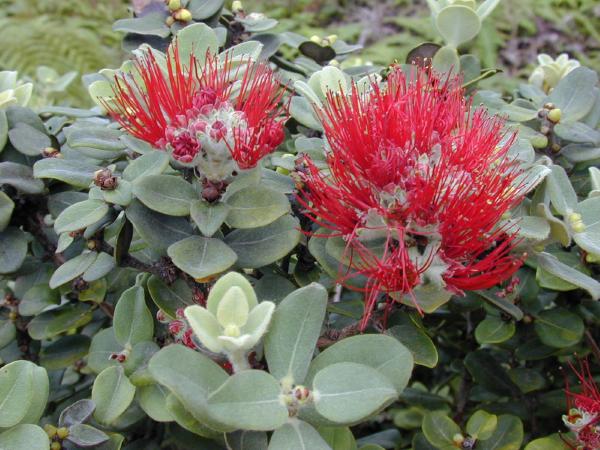
The Metrosideros: A Comprehensive Guide to Its Characteristics and Care
As a plant enthusiast, you may have come across the name “Metrosideros” before, but do you know what it is and how to care for it? In this article, we will delve into the characteristics of the Metsosideros, its growth habits, and provide tips on how to cultivate it in your garden.
Understanding the Metrosideros
The Metsosideros is a type of shrub that belongs to the Myrtaceae family. Native to New Zealand, it’s commonly known as “Christmas Tree” due to its flowering habit, which coincides with Christmas time. In our region, however, this plant blooms in early spring, making it an attractive addition to any garden.
Characteristics of the Metsosideros
The Metsosideros is a compact shrub that typically grows up to 2 meters in height. Its leaves are elliptical and coriaceous, with a dark green top surface and white, woolly undersides. The plant has an attractive reddish-brown color when its flowers bloom.
Growing Conditions for the Metsosideros
To keep your Metsosideros healthy and thriving, follow these care tips:
Exposure and Temperature
The Metsosideros loves full sun but can tolerate partial shade. It’s essential to provide it with at least 4-6 hours of direct sunlight per day. Avoid exposing the plant to harsh winds or frost, as this can cause damage.
Soil Requirements
Metsosideros prefers well-draining soil that is rich in organic matter and slightly acidic (pH 5.5-6.5). If you’re growing it in a container, make sure the pot has good drainage holes to prevent waterlogged soil.
Watering
Water your Metsosideros regularly, but avoid overwatering. During the spring and summer months, water every 2-3 days, while during the autumn and winter, reduce watering to once a week.
Fertilization
Feed your Metsosideros with a balanced fertilizer in early spring and again in late summer/early autumn. You can also use a slow-release granular fertilizer for consistent nutrition.
Pruning
Prune your Metsosideros after it finishes flowering to maintain its shape and encourage new growth. Cut back any leggy stems, and trim off dead or damaged branches.
Propagation of the Metsosideros
Metsosideros is typically propagated by taking cuttings from its stems in early spring. Remove the leaves from the cutting, dip the base into rooting hormone powder, and plant it in a well-draining potting mix. Keep the soil moist until roots develop.
Common Pests and Diseases of the Metsosideros
While Metsosideros is generally resistant to pests and diseases, there are some common issues to watch out for:
- Parasites: Check your plant regularly for signs of infestation by insects like spider mites or mealybugs.
- Diseases: Fungal infections can cause black spots on leaves or stems. Regular pruning can help prevent the spread of disease.
Frequently Asked Questions
Here are some answers to common questions about Metsosideros:
Q: Can I grow Metsosideros in a container?
A: Yes, but make sure the pot has good drainage holes and is at least 20-30 cm deep.
Q: How often should I water my Metsosideros?
A: Water every 2-3 days during the spring and summer months, and once a week during the autumn and winter.
Q: Can I use regular fertilizer on my Metsosideros?
A: No, use a balanced fertilizer specifically formulated for acid-loving plants like Metsosideros.
Conclusion
By following these care tips and understanding the characteristics of Metsosideros, you can enjoy this beautiful plant in your garden for years to come. With its attractive flowers, compact growth habit, and relatively low maintenance requirements, Metsosideros is an ideal choice for gardeners looking to add some unique charm to their outdoor space.
With proper care and attention, Metsosideros can thrive in a variety of environments, from coastal areas to inland gardens. Whether you’re a seasoned gardener or just starting out, Metsosideros is definitely worth considering as part of your plant collection.
Additional Tips for Growing Metsosideros
Here are some additional tips to help you grow Metsosideros:
- Prune the plant regularly to maintain its shape and encourage new growth.
- Mulch around the base of the plant to retain moisture and suppress weeds.
- Use a soil pH test kit to ensure that your soil is within the optimal range for Metsosideros (5.5-6.5).
- Fertilize the plant regularly, but avoid overfertilizing, which can cause damage.
By following these additional tips and providing Metsosideros with the right growing conditions, you can enjoy this beautiful plant in your garden for years to come.
Common Varieties of Metsosideros
There are several varieties of Metsosideros that are commonly grown in gardens. Here are some of the most popular ones:
- Metrosideros robusta: This is one of the most common varieties of Metsosideros, known for its compact growth habit and attractive flowers.
- Metrosideros excelsa: This variety has a slightly taller growth habit than Metsosideros robusta, but still maintains its attractive flowers and compact shape.
- Metrosideros sylvatica: This is a smaller variety of Metsosideros that is well-suited to containers and hanging baskets.
By choosing the right variety of Metsosideros for your garden, you can enjoy this beautiful plant in all its glory.


