
Methionine is an amino acid that plays a crucial role in various bodily functions, from producing proteins to regulating metabolic processes. Despite its importance, methionine is often overlooked in everyday discussions about nutrition and health. In this article, we will delve into the world of methionine, exploring its benefits, risks, and applications.
What is Methionine?
Methionine is an alpha-amino acid essential for human life. Its chemical formula is HO2CCH(NH2)CH2CH2SCH3, and it is found in proteins of eukaryotic cells along with cysteine. Methionine is involved in the production of melatonin, a hormone that regulates sleep-wake cycles, and has chelating properties on heavy metals like mercury, lead, and cadmium.
Benefits of Methionine
Methionine has several benefits, including:
- Supports hair growth: Methionine is essential for the production of keratin, a protein that gives structure to hair. A deficiency in methionine can lead to hair loss and thinning.
- Promotes joint health: Methionine contains sulfur, which helps maintain healthy joints and prevent osteoarthritis.
- Supports eye health: Methionine has antioxidant properties that protect the eyes from damage caused by free radicals.
Risks of Methionine
However, excessive consumption of methionine can lead to negative effects on the body:
- Kidney problems: High levels of methionine in the urine can increase the risk of kidney stones and other kidney problems.
- Acidosis: Excessive methionine intake can lead to acidosis, a condition characterized by an imbalance of electrolytes and fluids in the body.
Where is Methionine Found?
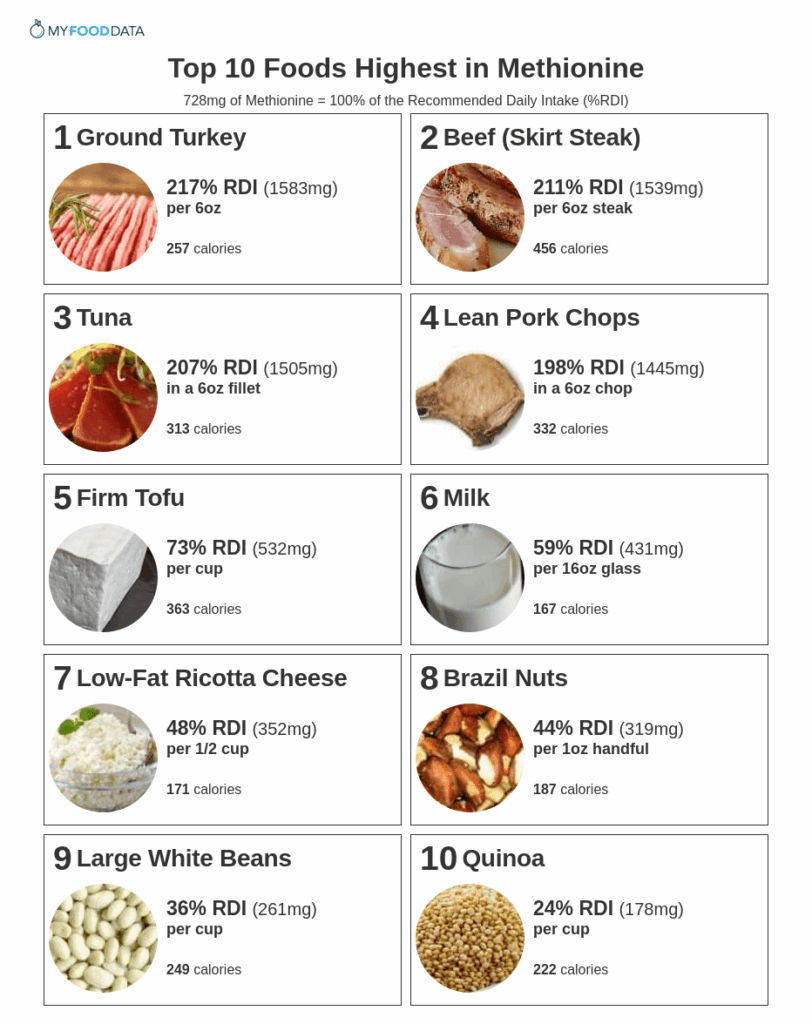
Methionine is present in many common foods:
- Eggs: Eggs are an excellent source of methionine.
- Fish: Fish like salmon and tuna are rich in methionine.
- Cereals: Some cereals, especially those made from rice or wheat, contain methionine.
- Sesame seeds: Sesame seeds are a good source of methionine.
Integrating Methionine into Your Diet
To reap the benefits of methionine, it’s essential to consume it in moderation and balance it with cysteine. Here are some tips:
- Eat foods rich in methionine: Incorporate eggs, fish, cereals, and sesame seeds into your diet.
- Balance with cysteine: Make sure you’re getting enough cysteine to complement the benefits of methionine.
- Consult a healthcare professional: If you have specific health concerns or questions about incorporating methionine into your diet.
The Role of Methionine in Animal Health
Methionine is used as an integrator for animals, particularly dogs. It helps protect against physical damage caused by contaminated food and lowers urine pH. However, it may interact with certain antibiotics, so consult a veterinarian before adding methionine to your dog’s diet.
Conclusion
In conclusion, methionine is an essential amino acid that plays a vital role in various bodily functions. While it has several benefits, excessive consumption can lead to negative effects on the body. By understanding where methionine is found and how to integrate it into your diet, you can reap its rewards while minimizing risks.
Frequently Asked Questions
- What are the benefits of consuming methionine?
- Methionine supports hair growth, promotes joint health, and protects eye health.
- Is methionine essential for human life?
- Yes, methionine is an essential amino acid that plays a crucial role in various bodily functions.
- Can excessive consumption of methionine lead to negative effects on the body?
- Yes, high levels of methionine can cause kidney problems, acidosis, and other issues.
- Where is methionine found in nature?
- Methionine is present in many common foods like eggs, fish, cereals, and sesame seeds.
- Can I add methionine to my dog’s diet?
- Yes, but consult a veterinarian before adding methionine to your dog’s diet, as it may interact with certain antibiotics.
Additional Resources
- National Institutes of Health (NIH): “Methionine” – A comprehensive overview of the benefits and risks of methionine.
- Academy of Nutrition and Dietetics: “Methionine” – A balanced look at the role of methionine in human nutrition.
- American Society for the Prevention of Cruelty to Animals (ASPCA): “Methionine in Animal Nutrition” – Information on using methionine as an integrator for animals.
By incorporating methionine into your diet and understanding its benefits and risks, you can take a proactive approach to maintaining overall health and well-being. If you have any further questions or concerns, consult with a healthcare professional or registered dietitian for personalized guidance.


