
Understanding and Eliminating the Metcalfa: A Comprehensive Guide
1. Introduction to the Metcalfa
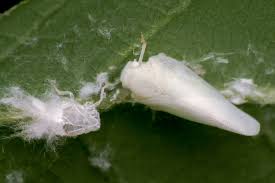
The metcalfa, a small gray-winged insect, is often considered an unwanted guest in our gardens and orchards. However, for beekeepers, it’s a welcome visitor that produces a unique type of honey. In this article, we’ll delve into the world of the metcalfa, exploring its habits, effects on plants, and most importantly, how to eliminate it.
2. What is the Metcalfa?
The metcalfa, scientifically known as Flatidea, is a member of the flatidae family. This insect feeds on plant sap, making it a common sight in gardens and orchards. The metcalfa’s body measures between 5.5 to 8 mm in length, with adults displaying a mottled gray color.
3. Metcalfa and Honey
The metcalfa’s digestive system is unable to process the sugars present in plant sap. As a result, it retains only the protein portion of the sap while expelling the sugar content as melata, a sticky substance that attracts bees. This unique relationship between the metcalfa and honeybees has led to the production of a special type of honey, prized by beekeepers for its distinct flavor.
4. Metcalfa Pruinosa: A Threat to Crops
The metcalfa pruinosa is a specific species of flatidae that has been introduced to Europe from North America. This invasive insect attacks over 200 plant species, causing significant damage to crops such as grapes, citrus fruits, and stone fruits. The melata produced by the metcalfa pruinosa attracts various fungi, insects, and other pests, triggering a chain reaction of infestations.
5. Plants Affected by Metcalfa
The metcalfa’s diet is not limited to just a few plant species. It can also target ornamental plants, including willow trees, olive trees, lilac bushes, and many more. The insect’s feeding habits cause direct damage to the plant’s vascular system, leading to stunted growth and reduced yields.
6. Effects of Metcalfa Infestation
Metcalfa infestations have far-reaching consequences for both crops and the environment. The melata produced by the metcalfa attracts various fungi, causing secondary infections that can lead to crop failure. Additionally, the insect’s feeding habits weaken plants, making them more susceptible to pests and diseases.
7. Eliminating Metcalfa: Natural Methods
When it comes to eliminating metcalfa, chemical pesticides are often not the most effective solution due to their limited reach and potential harm to beneficial insects. Instead, natural methods such as introducing biological control agents or using physical barriers can be employed.
8. Biological Control Agents
- Neodryinus typhlocybae: This American-born insect is specifically designed to combat metcalfa infestations in Europe.
- Cinciallegra: A small bird species that feeds on the early stages of metcalfa development, preventing them from becoming a nuisance.
9. Physical Barriers
- Poltiglia bordolese: A homemade remedy using sulfur-based solutions to deter metcalfa and other pests.
- Soap solution: Spraying a 5:10 ratio of water to soap can help eliminate melata produced by the metcalfa, reducing its attractiveness to other insects.
10. Integrated Pest Management (IPM) Strategies
To effectively manage metcalfa infestations, it’s crucial to adopt an IPM approach that incorporates multiple strategies. This might include:
- Monitoring for signs of metcalfa activity
- Using physical barriers to prevent their entry into the garden or orchard
- Introducing biological control agents to reduce their populations
- Employing chemical pesticides as a last resort
11. Prevention Strategies
Preventing metcalfa infestations can be achieved through various measures, including:
- Keeping plants healthy and strong through proper care and maintenance
- Removing weeds and debris that provide shelter for the insect
- Using crop rotation techniques to reduce the likelihood of infestation
- Monitoring for signs of metcalfa activity and taking prompt action
12. Conclusion
Eliminating the metcalfa requires a multi-faceted approach that considers both natural methods and environmental factors. By understanding the insect’s habits and effects on plants, we can develop effective strategies for managing metcalfa infestations and preserving our crops.
Frequently Asked Questions
- What is the best way to eliminate metcalfa?
- A combination of natural methods such as introducing biological control agents and using physical barriers like poltiglia bordolese or soap solution can be effective.
- Can metcalfa infestations cause damage to plants directly?
- Yes, the metcalfa’s feeding habits can weaken plants by disrupting their vascular system, leading to reduced growth and yields.
- What is the impact of metcalfa on bees?
- The melata produced by the metcalfa attracts bees, which are then drawn to the nectar-rich substance. This unique relationship has led to the production of special honey prized for its distinct flavor.
- Is there a way to prevent metcalfa infestations?
- Pre-emptive measures such as using poltiglia bordolese or other deterrents can help reduce the likelihood of an infestation.
- Can metcalfa infestations be prevented by introducing beneficial insects?
- Yes, introducing natural predators like the cinciallegra or biological control agents like Neodryinus typhlocybae can help manage metcalfa populations and prevent infestations.
By understanding the complexities of the metcalfa’s world and implementing effective strategies for managing its presence, we can protect our crops and preserve the delicate balance of our ecosystems.
In conclusion, eliminating metcalfa requires a comprehensive approach that incorporates natural methods, environmental factors, and integrated pest management techniques. By adopting these strategies, we can effectively manage metcalfa infestations and maintain the health and productivity of our crops.


