
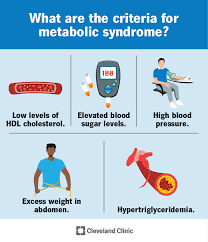
Metabolic syndrome, also known as insulin resistance syndrome, is a cluster of conditions that increase the risk of developing cardiovascular diseases. The first definition of metabolic syndrome was introduced by the World Health Organization in 1998, and since then, the criteria for diagnosis and definition have undergone several changes.
What is Metabolic Syndrome?
Metabolic syndrome is a combination of metabolic alterations that lead to an increased risk of cardiovascular disease. It is characterized by high blood pressure, high cholesterol levels, and excess body fat around the waistline. The diagnosis of metabolic syndrome involves evaluating multiple factors, including waist circumference, blood pressure, cholesterol levels, triglycerides, and glucose levels.
The Risks Associated with Metabolic Syndrome
Metabolic syndrome is a significant risk factor for cardiovascular disease, type 2 diabetes, and certain types of cancer. The risk of developing these conditions increases significantly when an individual has multiple components of metabolic syndrome. Understanding the risks associated with metabolic syndrome can help individuals take control of their health and reduce their risk of developing this life-threatening condition.
Diagnosis of Metabolic Syndrome
The diagnosis of metabolic syndrome requires a comprehensive evaluation of an individual’s health status. A healthcare professional will conduct various tests to assess the following factors:
- Waist circumference: Measuring waist circumference helps determine if there is excess fat around the abdomen, which increases the risk of cardiovascular disease.
- Blood pressure: Elevated blood pressure is a significant risk factor for cardiovascular disease.
- Cholesterol levels: High levels of low-density lipoprotein (LDL) cholesterol and low levels of high-density lipoprotein (HDL) cholesterol increase the risk of cardiovascular disease.
- Triglycerides: Elevated triglyceride levels contribute to an increased risk of cardiovascular disease.
- Glucose levels: High blood sugar levels increase the risk of developing type 2 diabetes and cardiovascular disease.
Criteria for Diagnosing Metabolic Syndrome
The National Cholesterol Education Program Adult Treatment Panel recommends considering the following criteria for diagnosing metabolic syndrome:
- Obesity or central obesity with a waist circumference greater than 102 cm (40 inches) in men and 88 cm (35 inches) in women.
- Hypertension with systolic blood pressure greater than or equal to 130 mmHg and diastolic blood pressure greater than or equal to 85 mmHg.
- Low HDL cholesterol levels less than 40 mg/dl in men and 50 mg/dl in women.
- Elevated triglyceride levels greater than 150 mg/dl.
- High glucose levels greater than 110 mg/dl.
The Importance of Early Diagnosis
Early diagnosis is crucial for managing metabolic syndrome. By identifying the conditions that contribute to this cluster, healthcare professionals can develop a comprehensive treatment plan to reduce the risk of cardiovascular disease and other complications associated with metabolic syndrome.
Management of Metabolic Syndrome
Managing metabolic syndrome requires a comprehensive approach that includes lifestyle modifications and, if necessary, medication. Lifestyle changes include:
- A balanced diet: Working with a registered dietitian to create a personalized meal plan can help manage weight and improve overall health.
- Regular physical activity: Engaging in moderate-intensity exercise, such as brisk walking or swimming, can help improve cardiovascular health.
- Weight loss: Losing even 5-10% of body weight can significantly reduce the risk of cardiovascular disease.
- Stress management: Practicing stress-reducing techniques, such as meditation or yoga, can help manage stress and improve overall well-being.
Treatment of Metabolic Syndrome
Treating metabolic syndrome requires a multi-faceted approach that includes lifestyle modifications and medication. Medications may be prescribed to:
- Lower blood pressure
- Improve cholesterol levels
- Manage blood sugar levels
Medications such as statins, beta-blockers, and ACE inhibitors can help manage the various components of metabolic syndrome.
Lifestyle Changes for Managing Metabolic Syndrome
In addition to medical treatment, lifestyle changes are essential for managing metabolic syndrome. Making healthy lifestyle choices can significantly reduce the risk of cardiovascular disease and other complications associated with this condition. Some effective lifestyle changes include:
- Eating a balanced diet
- Engaging in regular physical activity
- Maintaining a healthy weight
- Managing stress
Prevention Strategies
Preventing metabolic syndrome requires adopting healthy lifestyle habits from an early age. Some effective prevention strategies include:
- Eating a balanced diet
- Engaging in regular physical activity
- Maintaining a healthy weight
- Practicing stress-reducing techniques
- Getting enough sleep
Conclusion
Metabolic syndrome is a serious condition that increases the risk of cardiovascular disease and other complications. Early diagnosis, comprehensive treatment planning, and lifestyle modifications can help manage this condition and reduce the risk of developing these life-threatening diseases. By understanding the causes, symptoms, and management strategies for metabolic syndrome, individuals can take control of their health and improve their overall well-being.
Frequently Asked Questions
- What are the symptoms of metabolic syndrome?
Metabolic syndrome is characterized by a cluster of conditions that increase the risk of cardiovascular disease, including high blood pressure, high cholesterol levels, excess body fat around the waistline, and elevated glucose levels. - How is metabolic syndrome diagnosed?
Diagnosis involves evaluating multiple factors, including waist circumference, blood pressure, cholesterol levels, triglycerides, and glucose levels. - Can metabolic syndrome be cured?
Metabolic syndrome cannot be “cured,” but it can be managed with lifestyle modifications and medication to prevent complications and improve overall health. - What are the treatment options for metabolic syndrome?
Treatment involves a combination of lifestyle modifications, including diet and exercise, and medications that target specific risk factors, such as high blood pressure or elevated cholesterol levels. - How can I reduce my risk of developing metabolic syndrome?
Reducing your risk of metabolic syndrome requires adopting healthy lifestyle habits, including eating a balanced diet, engaging in regular physical activity, and managing stress.
References
- World Health Organization (1998). Definition and epidemiology of the metabolic syndrome. Diabetes Care, 21(10), 1503-1510.
- National Cholesterol Education Program Adult Treatment Panel (2001). Executive summary of the third report of the National Cholesterol Education Program (NCEP) Expert Panel on Detection, Evaluation, Prevention, and Treatment of High Blood Pressure and High Cholesterol.
- American Heart Association (2017). Metabolic syndrome. Circulation, 136(19), e844-e855.
Additional Resources
For more information on metabolic syndrome, consult the following resources:
- The American Diabetes Association: www.diabetes.org
- The National Institute of Diabetes and Digestive and Kidney Diseases: www.niddk.nih.gov
- The Centers for Disease Control and Prevention: www.cdc.gov


