
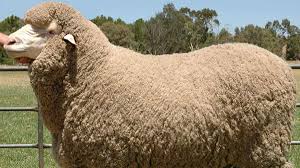
As we delve into the world of livestock, one breed that stands out for its exceptional qualities is the Merino sheep. Originating from Spanish breeds introduced from Asia Minor and North Africa, this sheep has been prized for its luxurious wool since the 12th century. In this article, we’ll explore the characteristics, diet, and price of Merino sheep, shedding light on what makes them so special.
Characteristics of the Merino Sheep
The first notable characteristic of the Merino sheep is its exceptional fleece, which has captivated the world for centuries. The fine, soft wool covers the entire body, except for the nose, mouth, and hooves. The robust body, well-proportioned legs, and sturdy spine make this breed an ideal choice for farming. The head is adorned with spiraling horns in males, while the skull is solid and strong.
The Merino sheep’s fleece is renowned for its quality, thickness, and durability. With over 20 breeds recognized today, each has its unique features:
- Australiana: Medium-sized, high-quality wool production (10-12 kg/year)
- Electoral: Spanish breed with fine, soft wool
- Negretta: Germanic breed with coarse, but durable fleece
- Rambouillet: French breed characterized by long, thick fleece and robust build
- Mazayevskie: Russian breed with excellent adaptability to various climates; its main weakness is a relatively weak skeleton
In addition to their exceptional fleece, Merino sheep are also known for their high fertility rates. This has led to the development of several distinct breeds that have become popular among farmers.
What Does a Merino Sheep Eat?
To maintain the health and vitality of these magnificent creatures, it’s essential to understand their dietary needs. A balanced diet should account for an entire year’s cycle, incorporating seasonal changes. During spring:
- Fresh field herbs (trifolium, plantain, oats)
- Concentrated feed with vitamins and minerals
- Fescue
Summer brings a decrease in concentrate intake (from 650 grams to 200 grams) and an increase in fresh forage.
Autumn’s diet consists of hay and grains supplemented with vegetables like squash, carrots, and turnips. In winter:
- Mineral supplements
- Silage made from fermented carrot and beetroot pulp
- Grains such as oats, wheat, and corn
A well-planned diet will help ensure that your Merino sheep stay healthy and productive throughout the year.
Where Do Merino Sheep Live?
With a presence in over 100 countries worldwide, the Merino sheep has adapted to diverse climates. Australia is the world’s largest producer of Merino wool.
In New Zealand, there are approximately 27.6 million Merinos, equivalent to about 5 million human inhabitants (as of 2016). Today, this breed is found in many parts of the globe and accounts for roughly half of all existing Merinos.
How to Raise a Merino Sheep
For those interested in raising these magnificent creatures, it’s essential to understand their specific needs. Provide spacious enclosures or shelters with adequate ventilation to ensure proper airflow and protection from harsh weather conditions.
Maintaining cleanliness is also crucial, as dirt and debris can lead to health issues. Regular grooming is vital for maintaining the fleece’s quality and overall well-being of the animal.
In addition to providing a suitable environment, regular veterinary check-ups are necessary to prevent diseases and parasites. It’s also essential to monitor the flock’s nutritional needs, ensuring that they receive adequate feed and water throughout the year.
The Cost of a Merino Sheep
Purchasing a Merino sheep comes with an initial investment of between €80 and €200, depending on the breed, genetics, and physical characteristics.
With proper care, these remarkable animals can provide a lifetime of service. The cost of maintaining a flock of Merino sheep will also depend on various factors such as feed, veterinary care, and equipment costs.
FAQs
-
Q: What is the primary purpose of raising Merino sheep?
A: The main goal is to produce high-quality wool while maintaining their overall health and well-being. -
Q: How often should a Merino sheep be sheared?
A: Regular shearing (every 6-12 months) helps maintain the fleece’s quality, prevent overgrowth, and reduce parasite infestations. -
Q: Can Merino sheep be raised in small-scale farming operations?
A: Yes, but careful planning is necessary to ensure adequate space, nutrition, and proper care for these animals. -
Q: Are Merino sheep suitable for all climates?
A: While adaptable, they require protection from extreme temperatures and humidity levels to thrive. -
Q: How long do Merino sheep live?
A: With proper care, they can live up to 15 years or more in optimal conditions. -
Q: What is the significance of fleece quality in Merino sheep breeding?
A: Superior-quality fleece ensures higher prices and greater market value for these valuable animals. -
Q: Can I feed my Merino sheep a diet rich in grass alone?
A: While it’s possible, supplementing with concentrates and grains can improve overall health and productivity. -
Q: Are there any potential drawbacks to raising Merino sheep?
A: Their delicate fleece requires regular grooming, which may be time-consuming and require specialized tools. -
Q: Can I breed Merino sheep on my own?
A: Yes, but it’s recommended that you consult with an experienced breeder or veterinarian before attempting to breed your own Merino sheep. -
Q: How can I protect my flock from predators?
A: Use fencing materials such as electric wire or chicken netting to create a secure enclosure. Regularly inspect the perimeter and take steps to prevent predator entry. -
Q: Can Merino sheep be used for meat production?
A: While possible, their primary purpose is still wool production. However, some farmers may choose to raise them specifically for meat production due to their hardiness and adaptability. -
Q: Are Merino sheep suitable for raising in urban areas?
A: Not recommended, as they require large spaces to roam and a specialized diet that’s difficult to replicate in an urban setting.
In conclusion, the Merino sheep is an exceptional breed with a wide range of characteristics that make it an ideal choice for farmers. With proper care and attention, these magnificent creatures can provide a lifetime of service while maintaining their exceptional fleece quality.


