
Understanding the Properties and Uses of Merbromina
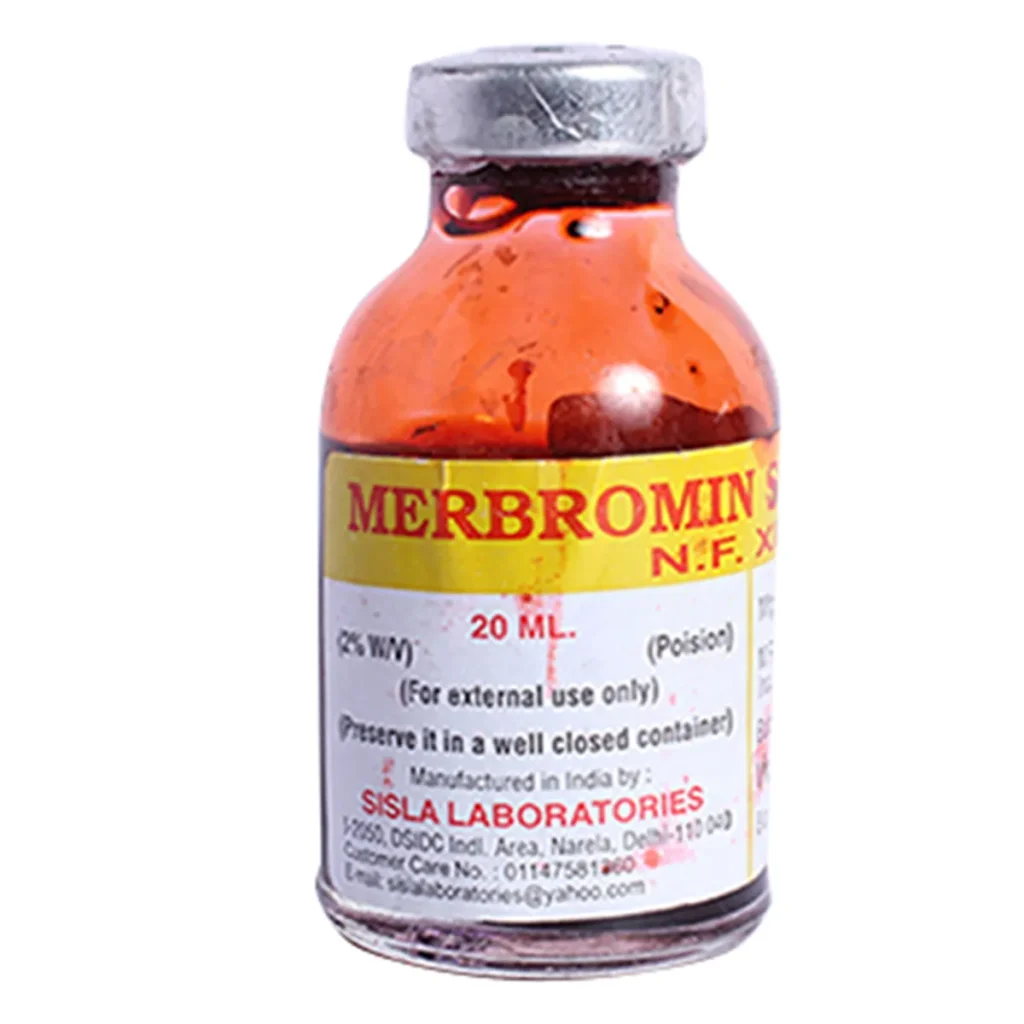
Merbromina, also known as Mercurocromo, is a substance used for medicinal purposes. Despite its widespread use, it has several drawbacks, including its potential toxicity and interactions with other substances. In this article, we will delve into the world of merbromina, exploring its properties, uses, benefits, and limitations.
A Brief History of Merbromina
Merbromina was first discovered in 1919 by Hugh Hampton Young, a medical researcher who identified its antibacterial properties. Since then, it has been widely used to treat various skin conditions, including cuts, wounds, and abrasions. Despite its long history, merbromina remains a topic of debate among medical professionals due to its potential risks.
Merbromina: A Solution for Wounds
Merbromina is commonly used as a topical solution to disinfect and clean wounds. It can be applied 2-3 times a day, with a recommended dose of 2-3 drops per application. However, it’s essential to note that merbromina is not the only antiseptic available on the market. Other options like iodopovidone, chlorobenzalonol, and chlorhexidine have proven to be more effective.
The Industrial Applications of Merbromina
Merbromina has several industrial applications, including use in metal testing. It’s used to detect creases and defects in metals without causing damage. This process is essential in various industries, such as aerospace, automotive, and construction.
What Does Merbromina Do?
From a chemical perspective, merbromina is an organometallic compound containing mercury. Its primary use is based on its antibacterial and antiseptic properties, which make it effective against both Gram-positive and Gram-negative bacteria. However, its uses extend beyond the medical field.
Merbromina: A Double-Edged Sword
While merbromina has several benefits, it also comes with significant drawbacks. Its intense red color can make it challenging to identify signs of infection or inflammation around wounds. This can lead to delayed treatment and complications. Additionally, merbromina interacts with other substances like procaine, making it unsuitable for use with certain medications.
Where Can You Find Merbromina?
Merbromina is widely available in pharmacies and supermarkets in some countries. However, its availability varies depending on the region. In the United States, it was banned by the FDA in 1998 due to concerns over mercury toxicity. Similarly, Brazil and other countries have implemented similar bans.
The Cost of Merbromina
Merbromina is relatively affordable, with prices varying depending on the country and availability. However, its cost-effectiveness is not always clear-cut, as its use may lead to increased healthcare costs in the long run due to delayed treatment and complications.
Conclusion
In conclusion, merbromina is a complex substance with both benefits and drawbacks. While it has been widely used for medicinal purposes, its potential toxicity and interactions with other substances make it essential to exercise caution when using it. As we continue to explore the world of healthcare, it’s crucial to weigh the pros and cons of using merbromina and consider alternative options.
Frequently Asked Questions
- Is Merbromina safe for use?
Merbromina can be hazardous if not used properly. It’s essential to follow the recommended dosage and consult with a healthcare professional before using it. - What are the benefits of Merbromina?
Merbromina has antibacterial and antiseptic properties, making it effective against various skin conditions. - Can I use Merbromina on open wounds?
No, merbromina should not be applied to open wounds without consulting a healthcare professional first. - Is Merbromina suitable for children?
Merbromina is not recommended for children due to its potential toxicity and interactions with other substances. - Can I use Merbromina in combination with other medications?
No, merbromina should not be used in combination with certain medications, such as procaine, without consulting a healthcare professional first. - Is Merbromina available in the United States?
Merbromina is no longer approved for sale in the United States due to concerns over mercury toxicity. - Can I buy Merbromina online?
It’s essential to consult with a healthcare professional before purchasing merbromina online or through any other channel. - What are the long-term effects of using Merbromina?
Merbromina can lead to delayed treatment and complications, resulting in increased healthcare costs in the long run.
Precautions and Safety Measures
When using merbromina, it’s essential to take certain precautions and follow safety measures to minimize risks. These include:
- Always follow the recommended dosage and application instructions.
- Avoid applying merbromina to open wounds or sensitive areas without consulting a healthcare professional first.
- Use protective gloves when handling merbromina to prevent skin contact.
- Keep merbromina out of reach of children and pets.
Alternatives to Merbromina
If you’re considering using merbromina, it’s essential to explore alternative options that are safer and more effective. Some alternatives include:
- Iodopovidone: A more effective antiseptic with fewer side effects.
- Chlorhexidine: An antibacterial agent commonly used in hospitals and medical settings.
- Hydrogen peroxide: A natural antiseptic that can be used to disinfect wounds.
Conclusion
In conclusion, merbromina is a complex substance with both benefits and drawbacks. While it has been widely used for medicinal purposes, its potential toxicity and interactions with other substances make it essential to exercise caution when using it. By understanding the properties and uses of merbromina, you can make informed decisions about its use and consider alternative options that are safer and more effective.
Future Research Directions
Further research is needed to fully understand the effects of merbromina on human health. Some potential areas for future study include:
- Investigating the long-term effects of using merbromina on skin conditions.
- Examining the efficacy of merbromina in preventing infections and wound complications.
- Developing safer alternatives to merbromina that are more effective and less toxic.
By continuing to explore the world of healthcare, we can work towards developing safer and more effective treatments for various medical conditions.


