
Understanding the Menstrual Cycle
The menstrual cycle is an essential phase of a woman’s life that marks the beginning of her fertile period. However, it also comes with a mix of sensations and symptoms that can be difficult to cope with. Contrary to popular belief, the menstrual cycle does not coincide with menstruation, but rather refers to the period between one menstruation and the next: from the start of menstruation to the first day of the following menstrual flow.
The menstrual cycle is controlled by a complex interplay of hormones, including estrogen, progesterone, and follicle-stimulating hormone (FSH). These hormones regulate various bodily functions, such as ovulation, uterine contractions, and breast development. As the cycle progresses, these hormones fluctuate, leading to changes in menstrual symptoms.
Breaking Down the Symptoms
Today, we aim to help you understand how to reduce symptoms associated with menstruation and live a more serene life. Here are three tips to get you started:
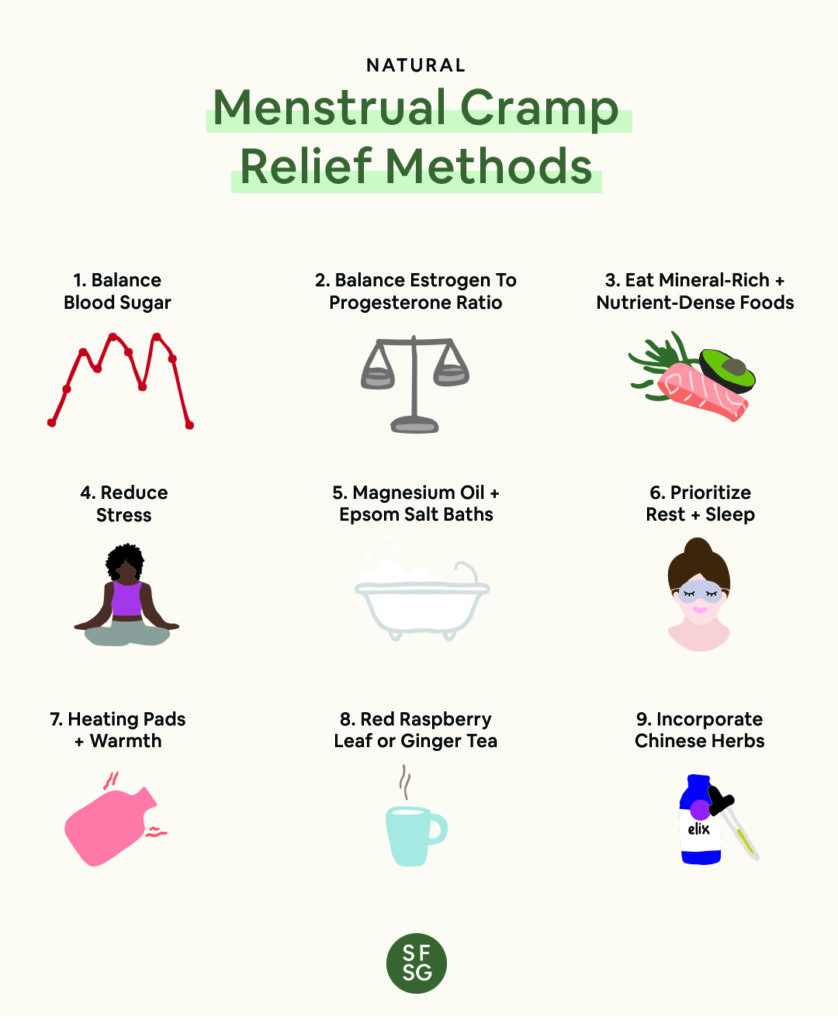
Nutrition: Tisanes and Foods Rich in Vitamins
A well-balanced diet can be a powerful ally in fighting menstrual symptoms. As the menstrual cycle approaches, it’s essential to divide daily meals into many small snacks. A diet rich in vitamins and minerals, particularly potassium, magnesium, and calcium, is crucial.
Some beneficial foods include:
- Leafy greens: These are packed with iron, which helps regulate menstruation.
- Nuts and seeds: Rich in omega-3 fatty acids, these can help alleviate cramps.
- Fatty fish: High in vitamin D, which supports bone health during this time.
- Legumes: Good source of fiber, protein, and essential minerals.
In addition to incorporating these nutrient-dense foods, warm beverages like tea and milk can help alleviate symptoms. Soups and broths are also excellent sources of essential nutrients during this time.
Relaxation and Meditation
Reducing stress and anxiety is vital for managing menstrual symptoms. Engaging in relaxing activities such as yoga, pilates, or meditation can have a profound impact on both the body and mind.
Some techniques to try:
- Deep breathing exercises: Can help regulate blood pressure and reduce tension.
- Progressive muscle relaxation: Can help ease cramps by releasing endorphins.
- Mindfulness meditation: Can help reduce stress and promote overall well-being.
Physical Activity
Regular physical activity is another effective way to alleviate menstrual symptoms. Aerobic exercise, in particular, has been shown to increase levels of serotonin and dopamine, which can help improve mood.
Some beneficial activities include:
- Swimming: Low-impact exercise that’s easy on the joints.
- Cycling: Great cardiovascular workout that can help reduce stress.
- Brisk walking: Can be a fun way to get some exercise while enjoying the outdoors.
Incorporating these tips into your daily routine can make a significant difference in reducing menstrual symptoms. With the right approach, you can take control of your body and live a more balanced life.
Conclusion
The menstrual cycle is a natural part of life, but it doesn’t have to be uncomfortable. By understanding the causes of menstrual symptoms and implementing simple strategies, you can take back control of your body and mind. Whether it’s through nutrition, relaxation, or physical activity, there are many ways to alleviate these symptoms.
Frequently Asked Questions
- What are some natural remedies for menstrual cramps?
- Some natural remedies that may help alleviate menstrual cramps include:
- Heat therapy (e.g., a warm bath or heating pad)
- Herbal teas (e.g., ginger, chamomile, or peppermint)
- Dietary changes (e.g., increasing omega-3 fatty acids or magnesium intake)
- Some natural remedies that may help alleviate menstrual cramps include:
- Can exercise really help alleviate menstrual symptoms?
- Yes, regular physical activity can have a positive impact on menstrual symptoms.
- Aerobic exercise, in particular, has been shown to increase levels of serotonin and dopamine, which can help improve mood.
- What are some effective ways to manage stress during menstruation?
- Engaging in relaxing activities such as yoga, pilates, or meditation can be beneficial for managing menstrual symptoms.
- Other techniques that may help include:
- Deep breathing exercises
- Progressive muscle relaxation
- Mindfulness meditation
- Can a healthy diet really help alleviate menstrual symptoms?
- Yes, a well-balanced diet that includes foods rich in vitamins and minerals can be beneficial for managing menstrual symptoms.
- Foods that are particularly beneficial include:
- Leafy greens
- Nuts and seeds
- Fatty fish
- Legumes


