
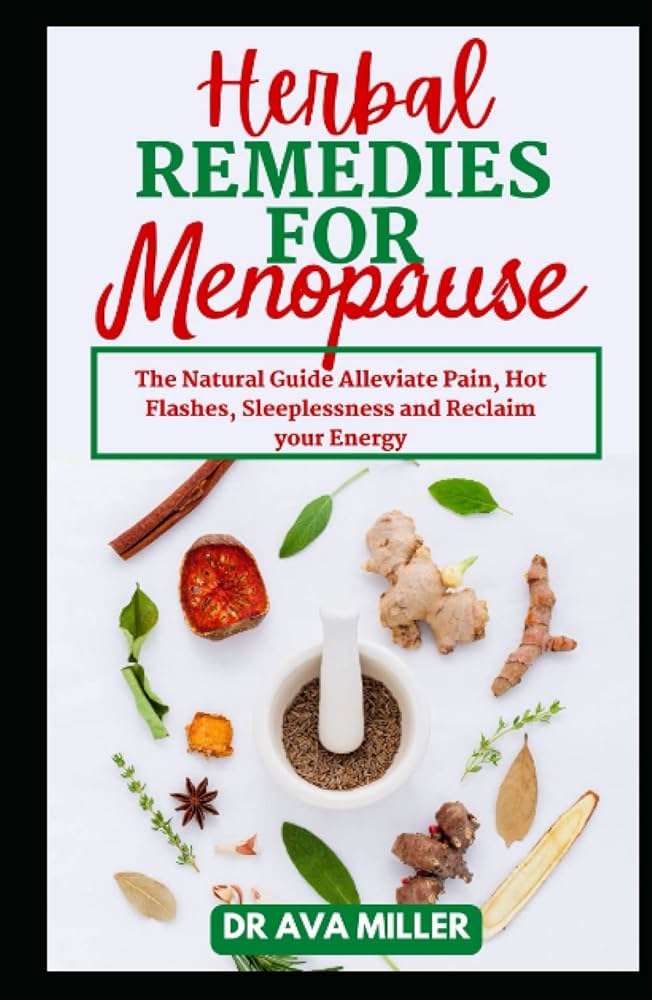
Menopause is a natural phase of life that occurs when the body stops producing estrogen, leading to a range of symptoms that can significantly impact a woman’s quality of life. However, it’s essential to note that menopause is not a disease, and no treatment is required unless symptoms persist or worsen over time.
In this article, we’ll explore natural remedies for menopause, including diet, exercise, stress management, and herbal supplements. We’ll delve into the benefits and potential side effects of each approach, as well as provide recommendations for incorporating these remedies into your daily routine.
Understanding Menopause Symptoms
Menopause symptoms can vary widely from woman to woman, but common complaints include:
- Hot flashes
- Mood swings
- Weight gain
- Insomnia
- Joint pain
- Decreased libido
These symptoms can be distressing and disrupt daily life, but they are often a result of hormonal changes rather than a medical condition.
Natural Remedies for Menopause
Fortunately, there are several natural remedies that can help alleviate menopause symptoms. Here are some effective options:
Exercise Fisica: The Powerhouse of Natural Remedies
Regular exercise is an excellent way to manage menopause symptoms. Physical activity has been shown to reduce hot flashes, improve mood, and even weight loss. Aim for at least 30 minutes of moderate-intensity aerobic exercise, three times a week, and incorporate strength training and flexibility exercises into your routine.
Exercise can also help alleviate other menopause symptoms such as:
- Insomnia: Exercise can help regulate sleep patterns and improve sleep quality.
- Joint pain: Regular physical activity can strengthen joints and reduce pain.
- Weight gain: Exercise can help maintain weight loss and prevent weight gain.
Dieta Salutare: Fueling Your Body with Nutrients
A balanced diet rich in whole foods, fruits, vegetables, and healthy fats can help alleviate menopause symptoms. Include foods high in phytoestrogens, such as lignans found in flaxseeds and sesame seeds, which may help reduce hot flashes.
Avoid sugary drinks, caffeine, and alcohol, as these can exacerbate symptoms.
Some specific dietary recommendations for menopause include:
- Eating foods rich in omega-3 fatty acids, such as salmon and walnuts.
- Incorporating fermented foods like kimchi and sauerkraut into your diet.
- Drinking plenty of water to stay hydrated.
- Limiting intake of processed and packaged foods.
Agopuntura: A Holistic Approach to Menopause Management
Acupuncture has been shown to be effective in reducing hot flashes and improving mood. This ancient practice involves inserting thin needles into specific points on the body to stimulate healing and balance.
Some potential benefits of acupuncture for menopause include:
- Reduced frequency and intensity of hot flashes.
- Improved sleep quality.
- Enhanced overall well-being.
Rimedi Anti-Stress: Finding Calm in a Chaotic World
Stress can exacerbate menopause symptoms, so it’s essential to find ways to manage stress effectively. Engage in relaxation techniques like deep breathing, meditation, or yoga to reduce anxiety and promote calmness.
Some specific stress-reduction techniques include:
- Mindfulness meditation: Focus on the present moment to reduce stress and anxiety.
- Yoga: Practice gentle stretches and movements to release tension and relax.
- Deep breathing exercises: Take slow, deep breaths to calm the nervous system.
Herbal Remedies for Menopause: A Natural Approach
Certain herbs have been traditionally used to alleviate menopause symptoms. Here are some promising options:
Cohosh Nero
Cohosh black may activate estrogen receptors in the body, helping to reduce hot flashes and improve mood.
- Recommended dosage: 500-1000 mg per day.
- Potential side effects: Dizziness, drowsiness.
Luppolo
Lupin contains a compound called lupinase, which acts as a natural sedative, reducing anxiety and promoting relaxation.
- Recommended dosage: 250-500 mg per day.
- Potential side effects: Gastrointestinal upset.
Dioscorrea
Dioscorrea is used in homeopathy to treat menopause symptoms, including hot flashes and mood swings. However, more research is needed to confirm its effectiveness.
- Recommended dosage: Varies depending on the specific product.
- Potential side effects: Allergic reactions, gastrointestinal upset.
Supplements for Menopause
In addition to dietary changes and stress-reduction techniques, some supplements may also be beneficial for managing menopause symptoms. Here are some popular options:
Omega-3 fatty acids
Omega-3 fatty acids have been shown to reduce inflammation and promote overall health.
- Recommended dosage: 1000-2000 mg per day.
- Potential side effects: Fishy taste, gastrointestinal upset.
Probiotics
Probiotics can help maintain a healthy gut microbiome, which is essential for overall health and well-being.
- Recommended dosage: 1-2 billion CFU per day.
- Potential side effects: Gastrointestinal upset, bloating.
Vitamin D
Vitamin D is essential for bone health and immune function. Many women experience vitamin D deficiency during menopause.
- Recommended dosage: 1000-2000 IU per day.
- Potential side effects: Nausea, vomiting.
Conclusion
Menopause is a natural phase of life that requires patience, understanding, and support. By incorporating these natural remedies into your daily routine, you can alleviate symptoms, improve your quality of life, and reduce the risk of chronic diseases associated with menopause.
Frequently Asked Questions (FAQs)
- Will I experience hot flashes if I try natural remedies?
Not necessarily. While some natural remedies may exacerbate hot flashes, others may help alleviate them.
2. Can exercise really make a difference in managing menopause symptoms?
Yes! Regular exercise has been shown to reduce hot flashes, improve mood, and even weight loss.
3. Are herbal supplements safe for everyone?
While herbal supplements can be beneficial, they may interact with medications or have side effects. Consult your healthcare provider before using any new remedies.
4. Can I still get pregnant while trying natural remedies for menopause?
No, menopause is a natural phase of life that marks the end of fertility in women.
5. How long does it take to see results from natural remedies for menopause?
Results may vary depending on the remedy and individual factors. Be patient, as it may take several weeks or months to notice improvements.
6. Can I use multiple natural remedies at once?
Yes! Combining different remedies can be effective in managing menopause symptoms. However, consult your healthcare provider before using multiple supplements or herbal remedies.
7. Are there any potential risks associated with natural remedies for menopause?
While generally safe, some natural remedies may interact with medications or have side effects. Consult your healthcare provider before using any new remedy.
By incorporating these natural remedies into your daily routine and being patient with the process, you can take control of your menopause symptoms and improve your overall quality of life.


