
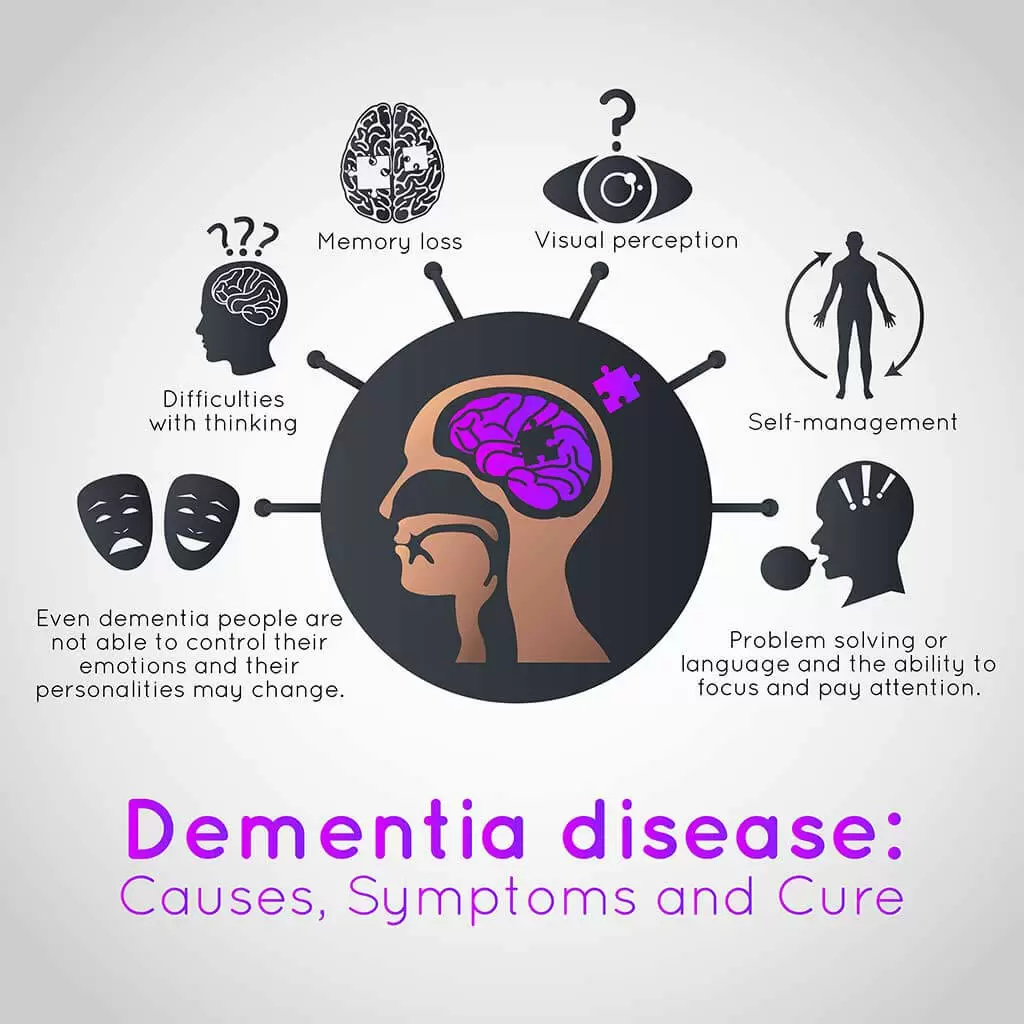
As we age, our brains undergo natural changes that can affect our memory. However, severe memory loss can be a sign of an underlying medical condition. In this article, we will explore the causes, symptoms, and treatment options for memory loss, as well as provide tips on how to support individuals with memory-related issues.
What is Memory Loss?
Memory loss refers to the inability to recall new information, remember past events, or experience a combination of both. This condition can be temporary or persistent, depending on its underlying cause.
Causes of Memory Loss
While age is a natural factor in memory decline, it’s not the sole culprit behind memory loss. Other medical conditions and lifestyle factors can contribute to this issue.
- Neurological disorders: Stroke, traumatic brain injury, tumors, or infections such as meningitis or encephalitis can damage brain tissue and lead to memory loss.
- Dementia: Conditions like Alzheimer’s disease, Lewy body dementia, frontotemporal dementia, and Creutzfeldt-Jakob disease affect cognitive function and memory.
- Infections: Severe illnesses like pneumonia, influenza, or sepsis can cause memory loss due to inflammation and damage to brain tissue.
- Medications: Certain medications, such as sedatives, antidepressants, or antihistamines, can impair memory.
- Head trauma: Concussions or repetitive head injuries can lead to chronic traumatic encephalopathy (CTE), a condition that affects memory and cognitive function.
Symptoms of Memory Loss
Memory loss can manifest in different ways, including:
- Forgetting recent events or learning new information
- Difficulty recalling familiar words or names
- Struggling to learn new skills or tasks
- Repeating questions or forgetting instructions
In addition to these symptoms, individuals with memory loss may also experience other cognitive impairments, such as:
- Language difficulties
- Spatial reasoning challenges
- Trouble with problem-solving and decision-making
Diagnosing Memory Loss
A healthcare professional will typically conduct a comprehensive evaluation to diagnose memory loss. This may include:
- Medical history and physical examination
- Laboratory tests (e.g., blood work, imaging studies)
- Neuropsychological assessments (e.g., cognitive testing, brain imaging)
Treatment Options for Memory Loss
While there is no cure for all types of memory loss, various treatments can help alleviate symptoms and improve quality of life.
- Medications: Cholinesterase inhibitors, memantine, or other medications can help restore cognitive function and memory.
- Lifestyle modifications: Regular exercise, social engagement, and stress management techniques (e.g., meditation, yoga) may slow disease progression.
- Cognitive training: Targeted cognitive exercises can improve attention, memory, and processing speed.
In some cases, surgery or other medical interventions may be necessary to address underlying causes of memory loss. For example:
- Surgery for brain tumors or cysts: Removing a tumor or cyst that is causing memory problems.
- Deep brain stimulation: A procedure in which an implanted device delivers electrical impulses to specific areas of the brain.
Supporting Individuals with Memory Loss
Family members and caregivers play a vital role in supporting individuals with memory loss. Here are some tips:
- Encourage independence: Support daily living activities, such as bathing, dressing, and meal preparation.
- Create a memory-friendly environment: Use visual reminders, labels, and calendars to facilitate navigation and organization.
- Stay engaged: Engage in activities that bring joy and stimulate the mind, such as hobbies, games, or creative pursuits.
Alternative Treatments for Memory Loss
While medications and lifestyle modifications are commonly used to treat memory loss, alternative approaches may also be beneficial. These include:
- Cognitive training programs: Targeted cognitive exercises can improve attention, memory, and processing speed.
- Mindfulness-based therapies: Techniques such as meditation and yoga can help reduce stress and improve overall well-being.
- Nutritional interventions: Dietary changes that focus on omega-3 fatty acids, antioxidants, and other essential nutrients may support brain health.
Preventing Memory Loss
While it is not possible to completely prevent memory loss, incorporating lifestyle modifications into your daily routine can help reduce the risk of cognitive decline. These include:
- Regular exercise: Engage in physical activity that you enjoy, such as walking, running, or swimming.
- Social engagement: Connect with friends and family, or join a social club to stay engaged.
- Stress management techniques: Practice relaxation techniques such as meditation, yoga, or deep breathing.
Frequently Asked Questions (FAQs)
Q: What is the difference between short-term and long-term memory loss?
A: Short-term memory loss refers to the inability to recall new information within a brief period. Long-term memory loss affects the ability to remember past events and experiences.
Q: Can I prevent memory loss through lifestyle changes?
A: While lifestyle modifications cannot completely prevent age-related cognitive decline, incorporating regular exercise, social engagement, and stress management techniques may slow disease progression.
Q: Are there any alternative treatments for memory loss beyond medications?
A: Alternative approaches include cognitive training programs, mindfulness-based therapies, and nutritional interventions focusing on omega-3 fatty acids, antioxidants, and other essential nutrients.
Q: Can I still work or participate in activities despite memory loss?
A: Many individuals with memory-related issues can maintain their independence and productivity by adapting to new situations, using assistive devices, and seeking support from loved ones or healthcare professionals.
Q: How can I help a family member or friend who is experiencing memory loss?
A: Offer emotional support, encourage independence, create a memory-friendly environment, and engage in activities that bring joy and stimulate the mind.


