
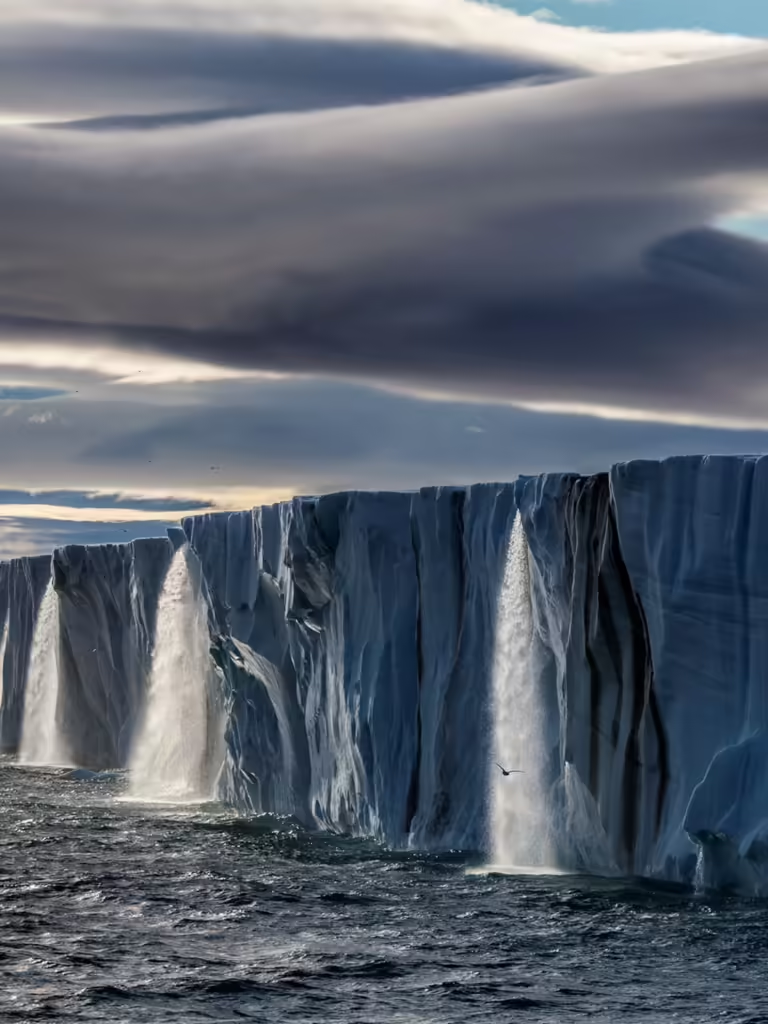
As we gaze out at the rapidly changing world, one of the most pressing concerns is the alarming rate of glacier melting. Both poles are witnessing a tragic increase in glacier losses, with polar species facing extinction and sea levels on the rise.
The Scale of the Problem
In both Greenland and Antarctica, glaciers are losing mass at an unprecedented pace. The consequences are dire: species that call these regions home are vanishing, while sea levels continue to climb. In Greenland alone, the rate of glacier loss has increased by nearly fivefold since the 1990s.
Glacier melting is a symptom of a larger issue – global warming caused by human activities such as burning fossil fuels and deforestation. The rapid rise in greenhouse gas emissions has triggered a cascade of extreme weather events, including heatwaves, droughts, and heavy precipitation. These events are not only devastating to local ecosystems but also contribute to the overall trend of glacier melting.
A NASA Study Reveals Alarming Trends
Erik Ivan, a researcher at the Jet Lab of the California Institute of Technology (Caltech), led a study that shed light on this worrying trend. Collaborating with Professor Andrew Shepherd of the University of Leeds, Ivan and his team analyzed satellite data from the National Aeronautics and Space Administration (NASA). Their findings are both alarming and enlightening.
The Study’s Key Findings
The study highlighted two crucial aspects of glacier melting: rate of loss and cumulative impact. Two-thirds of Greenland’s glacier losses are due to melting, while the remaining third is attributed to calving – the process by which glaciers break off into the ocean. When combined, these factors contribute to a global sea level rise equivalent to 0.95 mm per year.
In contrast, Antarctica has been losing glaciers at a slower rate of 0.27 mm per year in the 1990s. However, this trend is still concerning, given the sheer scale of the ice sheets involved. The study’s authors note that the cumulative effect of these losses is significant, highlighting the urgent need for climate action.
A Decade of Satellite Data
The researchers drew on data from ten separate satellite missions to build a comprehensive picture of glacier melting. This exhaustive analysis was possible thanks to the rapid advancement of satellite technology and the increased number of satellites in orbit around our planet. The study’s authors emphasize that this level of detail is unprecedented, enabling them to better understand the complex dynamics at play.
The decade-long dataset provides a unique opportunity for scientists to analyze trends and patterns over time. By examining changes in glacier extent, thickness, and flow rates, researchers can gain insights into the underlying mechanisms driving glacier melting. This information will be essential for developing more accurate climate models and predicting future glacier losses.
A Collaboration of Expertise
The research team consisted of 47 scientists from 26 laboratories worldwide, funded by the European Space Agency (ESA) and NASA. This international collaboration underscores the need for global cooperation in addressing the climate crisis. By working together, researchers can pool their expertise, share data, and develop more effective solutions to mitigate glacier melting.
Implications and Conclusion
The study’s findings are a stark reminder of the urgent need to reduce greenhouse gas emissions and mitigate the effects of climate change. As we move forward, it is essential that we prioritize sustainable practices, invest in renewable energy sources, and support research initiatives like this one.
Reducing our carbon footprint requires significant lifestyle changes, including reducing meat consumption, increasing energy efficiency, and transitioning to low-carbon transportation methods. Governments, corporations, and individuals must work together to develop and implement effective policies aimed at reducing emissions.
Frequently Asked Questions
- What led to the increase in glacier melting?
The primary cause of glacier melting is global warming caused by human activities such as burning fossil fuels and deforestation. - How do the findings from this study compare to previous research?
While earlier studies did highlight some trends, this analysis provides a more comprehensive picture of glacier melting due to its use of decade-long satellite data. - What are the implications for sea levels?
The cumulative effect of glacier losses contributes to global sea level rise, with Antarctica and Greenland experiencing significant ice sheet melt. - Can anything be done to slow or halt glacier melting?
Reducing greenhouse gas emissions and transitioning to renewable energy sources can help mitigate the effects of climate change and slow glacier melting. - How will this research inform future policy decisions?
The study’s findings will contribute to a better understanding of the impacts of climate change, informing policy decisions aimed at reducing emissions and promoting sustainable practices. - What is the current state of knowledge on glacier melting?
This study represents one of the most comprehensive analyses of glacier melting to date, providing valuable insights into the dynamics driving these changes. - Can individual actions make a difference in slowing glacier melting?
While individual actions may not single-handedly halt glacier melting, collective efforts can contribute to reducing greenhouse gas emissions and mitigating climate change impacts. - What role will satellite data play in future research on glacier melting?
Satellite data will continue to play a crucial role in monitoring glacier changes, informing climate models, and guiding policy decisions aimed at addressing the climate crisis.
The Role of International Cooperation
To address the glacier melting crisis, international cooperation is essential. Governments, corporations, and individuals must work together to develop and implement effective policies aimed at reducing emissions. This includes:
- Agreeing on global targets: Setting clear, achievable targets for greenhouse gas reductions can help coordinate national efforts and promote a unified response to climate change.
- Sharing knowledge and expertise: International collaboration can facilitate the exchange of research findings, technologies, and best practices, enabling countries to learn from each other’s experiences.
- Developing climate-resilient infrastructure: Investing in climate-resilient infrastructure, such as sea walls, levees, and green roofs, can help communities adapt to the impacts of glacier melting.
The Role of Education and Awareness
Education and awareness are crucial components of any strategy aimed at mitigating glacier melting. By engaging with this issue through education and public outreach, we can inspire individual action and promote a culture of sustainability.
Conclusion
The alarming rate of glacier melting demands immediate attention from policymakers, researchers, and the general public. By understanding the complex dynamics driving these changes, we can develop more effective solutions to mitigate climate change impacts.
Reducing our carbon footprint requires significant lifestyle changes, but collective efforts can make a difference. As we move forward, it is essential that we prioritize sustainable practices, invest in renewable energy sources, and support research initiatives like this one.


