
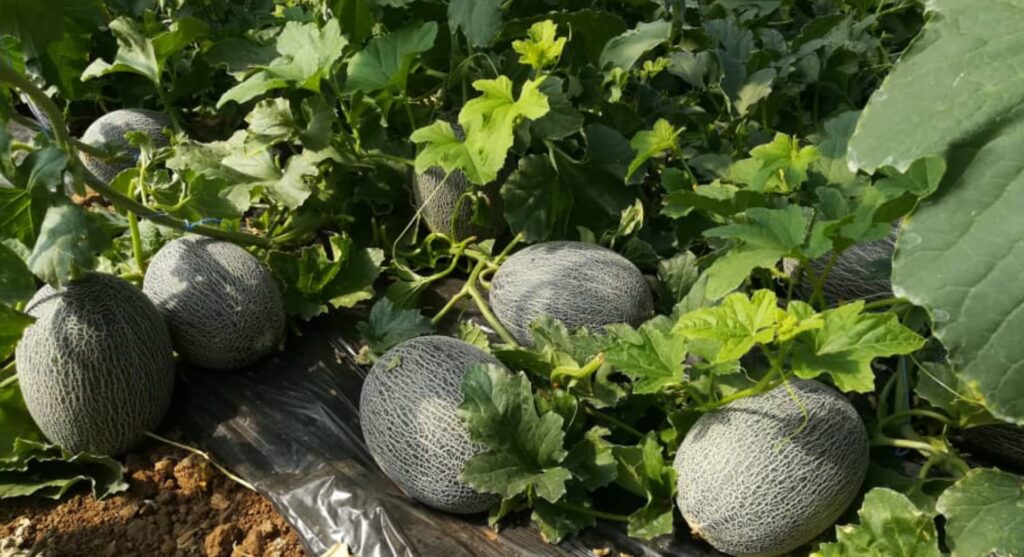
Are you ready to take the plunge and start growing your own watermelon? With a little knowledge and attention, you can enjoy this refreshing summer treat all season long. In this article, we’ll cover everything you need to know about growing watermelon, from sowing seeds to harvesting the fruit.
Understanding Watermelon Cultivation
Watermelon is a warm-season crop that requires specific conditions to thrive. It’s a great choice for gardeners with sufficient space and a little knowledge of cultural practices. Let’s dive into the world of watermelon cultivation!
Preparation is Key
Before sowing seeds or transplanting seedlings, prepare your soil by tilling it well and removing any weeds. This will give your watermelons a healthy start. Apply an organic fertilizer to provide essential nutrients for growth.
Watermelon prefers well-draining, rich soil with a pH between 6.0 and 6.8. If your soil is heavy clay or sandy, mix in some organic matter like compost or manure to improve its structure. Additionally, ensure that your garden receives full sun (at least 6 hours of direct sunlight) and warm temperatures above 65°F (18°C).
Sowing Seeds
In most regions, the ideal time to sow watermelon seeds is in late March or early April, when the soil has warmed up enough to support germination. Alternatively, you can purchase seedlings from nurseries and gardens in June, which are already 5-7 leaves old.
When planting seeds, create shallow holes (about 2-3 cm deep) and sow one seed per hole. Cover the seeds with a thin layer of soil and water gently but thoroughly. Water the seeds every day or two until they germinate, usually within 1-2 weeks.
Seedling Care
Once the seedlings emerge, provide them with adequate light, warmth, and moisture. Keep the soil consistently moist during germination (about 7-10 days) and as the plants grow.
Watermelon seedlings are sensitive to temperature fluctuations and overwatering. To prevent this, water them lightly but thoroughly once or twice a day until they reach about 6 inches tall.
Transplanting Seedlings
If you’re using seedlings from a nursery, wait until the weather warms up (above 65°F/18°C) before transplanting them to your garden. Harden off the seedlings by gradually exposing them to outdoor conditions over the course of 7-10 days.
When transplanting, dig a shallow hole about twice as wide and just as deep as the seedling’s root system. Gently remove the seedling from its container, taking care not to damage the roots. Place the seedling in the hole, spreading its roots evenly and covering with soil.
Irrigation and Watering
After sowing seeds or transplanting seedlings, water them gently but thoroughly. As the plants grow, provide regular irrigation to keep the soil consistently moist.
Watermelon requires about 1 inch of water per week, either from rainfall or irrigation. Avoid overwatering, which can lead to root rot and other problems. Reduce watering as the fruit ripens to prevent excessive sweetness.
Pruning for Optimal Growth
To encourage bushy growth and improve fruit production, prune your watermelon vines regularly. Remove any weak or damaged branches, and trim back long stems to about 60 cm from the ground.
Pruning also helps control weeds around the base of the plant, preventing competition for nutrients and moisture. Use pruning shears to cut off dead or diseased canes, making clean cuts just above a node (where a leaf meets the stem).
Supporting Watermelon Vines
Watermelon vines are quite vigorous and require support as they grow. Train the vines to climb up a trellis, fence, or other structural element using twine or clips.
As the fruit grows, gently tie the vine to the support system with twine or string, making sure not to constrict the stem. You can also use a watermelon cradle or basket to support the fruit and promote even ripening.
Tips and Tricks
To ensure a bountiful harvest, follow these additional tips:
- Ensure good drainage in your planting area to prevent root rot.
- Use mulch to retain moisture and suppress weeds.
- Rotate your crop every season to avoid depleting the soil of nutrients.
- Monitor for pests and diseases regularly.
- Keep your garden well-weeded to prevent competition for resources.
Harvest Time
Watermelon is ready to harvest when the rind develops a pronounced netting pattern, indicating ripeness. Cut the fruit from the vine with a sharp knife, leaving about 5 cm of stem attached to the melon.
Avoid squeezing or bruising the fruit, as this can damage it and reduce its quality. If you notice any signs of spoilage (soft spots, mold, etc.), remove the affected area to prevent decay.
Common Pests and Diseases
Watermelon is susceptible to several pests and diseases, including:
- Aphids: These tiny insects feed on sap and can transmit plant viruses.
- Whiteflies: These small, winged insects feed on sap and can transmit plant viruses.
- Squash bugs: These flat, brown insects feed on sap and can cause damage to the fruit.
Common diseases include:
- Powdery mildew: A fungal disease that causes a white, powdery coating on leaves and stems.
- Root rot: A fungal disease that causes roots to rot and die, leading to plant death.
Variety Selection
When choosing watermelon varieties, consider factors like flavor, texture, size, and disease resistance. Some popular varieties include:
- ‘Sugar Baby’: A compact, sweet variety ideal for small gardens or containers.
- ‘Yellow Doll’: A yellow-skinned variety with a sweet, creamy flesh.
- ‘Charleston Grey’: A classic, large-framed variety with a sweet, juicy flavor.
Conclusion
Growing watermelon requires attention to detail, but with these guidelines, you’ll be well on your way to enjoying this delicious summer treat all season long. Happy growing!
Frequently Asked Questions (FAQs)
Q: What is the best time to plant watermelon seeds?
A: In most regions, the ideal time to sow watermelon seeds is in late March or early April.
Q: How far should I space my watermelon plants?
A: Space your watermelon plants about 60 cm apart to ensure good air circulation and prevent overcrowding.
Q: Can I grow watermelon in containers?
A: Yes, you can grow watermelon in large containers with well-draining soil and a trellis or other support system.
Q: How often should I water my watermelon plants?
A: Water your watermelon plants regularly, but avoid overwatering to prevent root rot and other problems.
Q: What are some common pests that affect watermelons?
A: Common pests that can affect watermelons include aphids, whiteflies, and squash bugs.
Q: How do I know when my watermelon is ripe?
A: Check the rind for a pronounced netting pattern, indicating ripeness. Cut the fruit from the vine with a sharp knife.
Q: Can I grow multiple varieties of watermelon together?
A: Yes, you can grow multiple varieties of watermelon together, but ensure they have similar growing conditions and space requirements.
Q: How long does it take for watermelon to mature?
A: Watermelon typically takes 70-90 days to mature from sowing seeds to harvesting.
Q: Can I store watermelon after harvesting?
A: Yes, you can store watermelon in a cool, dry place for up to 5 days.


