
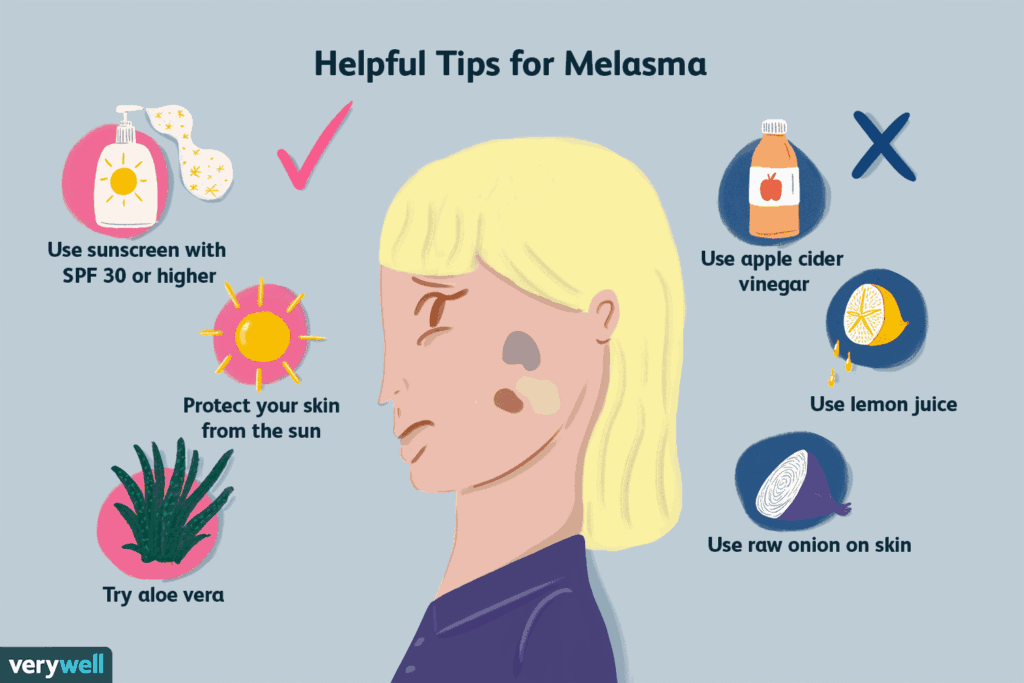
Melasma is a common skin condition characterized by the appearance of brown or gray patches on the face, particularly on the cheeks, forehead, and chin. These patches are often referred to as “mask of pregnancy” since they are commonly seen in pregnant women.
What is Melasma?
Melasma is a benign condition that affects millions of people worldwide, regardless of their age, gender, or ethnicity. The exact causes of melasma are not fully understood, but it’s believed to be related to hormonal changes and genetic predisposition. There are several types of melasma, including:
- Follicular hyperpigmentation: This is the most common type of melasma, characterized by patches on the face that can range in color from light brown to dark black.
- Epheloid hyperpigmentation: This type of melasma appears as small, flat patches on the skin and can be more noticeable than follicular hyperpigmentation.
- Post-inflammatory hyperpigmentation (PIH): This is a condition that occurs when the skin becomes inflamed or irritated, leading to dark spots or discoloration.
Causes of Melasma
While the exact causes of melasma are not fully understood, several factors can contribute to its development. Some possible causes include:
- Hormonal changes: Fluctuations in hormone levels during pregnancy, menstruation, or menopause can lead to melasma.
- Sun exposure: Prolonged exposure to the sun’s UV rays can darken existing skin pigment and cause melasma to appear.
- Genetic predisposition: People with a family history of melasma are more likely to develop the condition themselves.
- Medications: Certain medications, such as antidepressants and antiepileptic drugs, can increase the risk of developing melasma.
Natural Remedies for Melasma
While there is no cure for melasma, several natural remedies may help alleviate its symptoms. Here are some of the most effective ones:
- Succo di Limone: Aloe vera juice can be applied topically to reduce inflammation and promote healing.
- Banana Mask: Mash ripe bananas and apply them to the affected area for 15 minutes, repeating the process four times a week.
- Cipolla e Aceto di Mele: Chop an onion and mix it with apple cider vinegar to create a paste that can be applied topically.
- Farina di Avena: Mix oatmeal with milk or yogurt to create a soothing face mask.
Treatment Options
In addition to natural remedies, there are several medical treatment options available for melasma:
- Topical Creams: Over-the-counter and prescription creams containing ingredients like hydroquinone, kojic acid, and retinoids can help reduce melanin production.
- Laser Therapy: Laser treatments can target the affected area and reduce melanin production.
Conclusion
Melasma is a common skin condition that can be challenging to treat. However, with a combination of natural remedies and medical treatment options, it’s possible to alleviate its symptoms and achieve healthier-looking skin. Always consult a dermatologist before starting any new skincare regimen, especially if you have sensitive skin or allergies.
Frequently Asked Questions
- What are the best treatments for melasma?
- The most effective treatment for melasma is often a combination of natural remedies and medical treatment options.
- Can I treat melasma at home?
- Yes, there are several natural remedies that can help alleviate melasma symptoms, such as applying aloe vera juice or banana mask to the affected area.
- How long does it take for melasma to heal?
- The time it takes for melasma to heal varies depending on the individual and the effectiveness of treatment options.
- Can I get rid of melasma permanently?
- While there is no permanent cure for melasma, treatment options can help reduce its appearance and alleviate symptoms over time.
- Are there any side effects associated with treating melasma?
- Some medical treatment options may have side effects, such as redness or irritation, so it’s essential to consult a dermatologist before starting treatment.
Additional Resources
- National Institute of Health (NIH) – www.nih.gov
- American Academy of Dermatology (AAD) – www.aad.org
Consult a dermatologist for personalized advice on treating melasma. They can help you develop a customized treatment plan that takes into account your individual skin type, concerns, and goals.
Advanced Treatment Options
For more severe cases of melasma, advanced treatment options may be necessary. These include:
- Chemical peels: A solution is applied to the affected area to remove the top layers of skin and reduce melanin production.
- Microdermabrasion: A non-invasive exfoliating treatment that helps improve skin texture and reduce melasma symptoms.
Conclusion
Melasma is a common skin condition that can be challenging to treat. However, with a combination of natural remedies and medical treatment options, it’s possible to alleviate its symptoms and achieve healthier-looking skin. Always consult a dermatologist before starting any new skincare regimen, especially if you have sensitive skin or allergies.


