
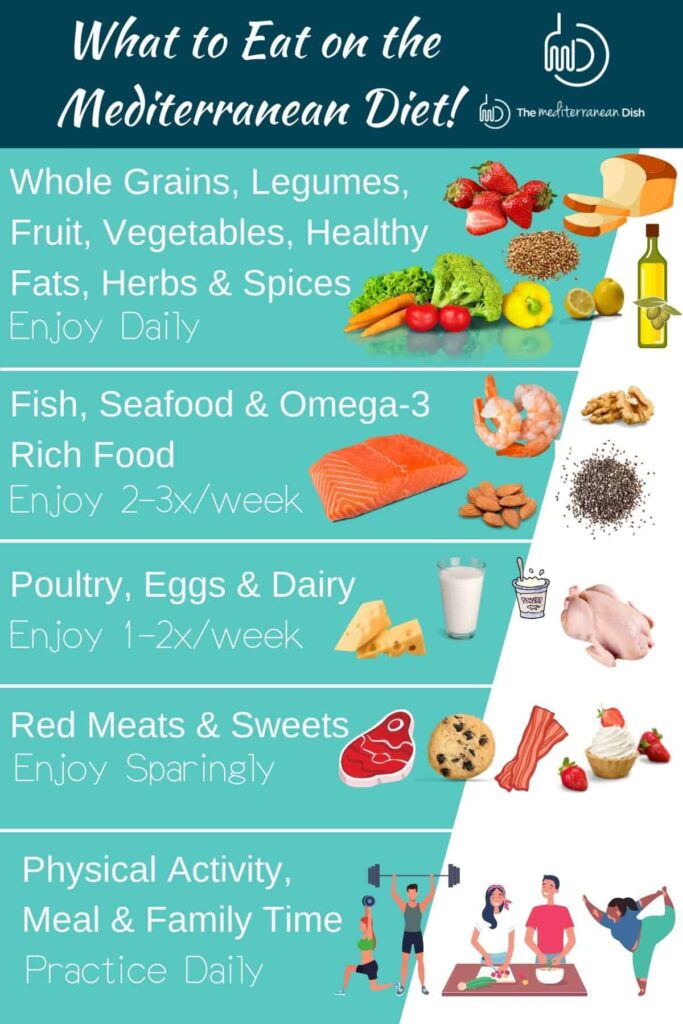
The Mediterranean diet is a well-studied dietary pattern that has been associated with numerous health benefits, including reduced risk of heart disease, stroke, and certain cancers. It is characterized by high intake of fruits, vegetables, whole grains, and healthy fats, such as those found in olive oil.
One of the key components of the Mediterranean diet is its focus on whole, unprocessed foods. This approach can help reduce the risk of chronic diseases, improve overall health, and support weight management. By incorporating more whole foods into your diet, you can also increase your nutrient intake and enjoy a variety of flavors and textures.
Another important aspect of the Mediterranean diet is its emphasis on healthy fats, such as those found in olive oil. These fats are rich in antioxidants and can help reduce inflammation, improve heart health, and support weight management.
In addition to its nutritional benefits, the Mediterranean diet has also been associated with several lifestyle benefits, including improved mental health, reduced stress levels, and increased social connections. By incorporating more whole foods into your diet and making healthier choices, you can also improve your overall quality of life.
The Mediterranean diet is not just a set of dietary recommendations; it’s a way of living that emphasizes balance, moderation, and enjoyment. By adopting this approach to nutrition, you can enjoy a variety of flavors, textures, and aromas while reducing the risk of chronic diseases.
Incorporating the Mediterranean diet into your lifestyle can be easy and accessible. Start by replacing one or two meals a day with Mediterranean-style dishes, and experiment with new ingredients and flavors to keep things interesting. Focus on whole, unprocessed foods as much as possible, and don’t be afraid to try new recipes and cooking techniques.
The Mediterranean diet is not just for health; it’s also a way of celebrating the rich culinary traditions of the Mediterranean region. By incorporating more Mediterranean-style dishes into your diet, you can enjoy a variety of flavors and textures while reducing the risk of chronic diseases.
In conclusion, the Mediterranean diet is a well-studied dietary pattern that has been associated with numerous health benefits, including reduced risk of heart disease, stroke, and certain cancers. It emphasizes whole, unprocessed foods, healthy fats, and balanced eating patterns, making it an accessible and enjoyable way to improve your overall health and quality of life.
Tips for Incorporating the Mediterranean Diet into Your Lifestyle
- Start by replacing one or two meals a day with Mediterranean-style dishes.
- Experiment with new ingredients and flavors to keep things interesting.
- Focus on whole, unprocessed foods as much as possible.
- Don’t be afraid to try new recipes and cooking techniques.
- Incorporate more Mediterranean-style dishes into your diet by trying new recipes or using a cookbook as a guide.
- Start by making small changes to your diet, such as replacing one meal a day with a Mediterranean-style dish.
- Experiment with different ingredients and flavors to keep things interesting.
- Focus on whole, unprocessed foods as much as possible.
Benefits of the Mediterranean Diet
- Reduced risk of heart disease and stroke
- Improved fertility and reproductive health
- Increased longevity and overall well-being
- Weight loss and improved body composition
- Lower rates of certain cancers
Common Misconceptions about the Mediterranean Diet
- The Mediterranean diet is too restrictive or difficult to follow.
- The Mediterranean diet is not suitable for everyone (e.g., those with food allergies or sensitivities).
- The Mediterranean diet only focuses on olive oil, which may be high in calories and fat.
Common Questions about the Mediterranean Diet
- Is the Mediterranean diet suitable for everyone?
- How much olive oil should I consume?
- Can I still enjoy my favorite treats while following the Mediterranean diet?
Conclusion
The Mediterranean diet is a well-studied dietary pattern that has been associated with numerous health benefits, including reduced risk of heart disease, stroke, and certain cancers. It emphasizes whole, unprocessed foods, healthy fats, and balanced eating patterns, making it an accessible and enjoyable way to improve your overall health and quality of life.
By incorporating more Mediterranean-style dishes into your diet, you can enjoy a variety of flavors and textures while reducing the risk of chronic diseases. Start by replacing one or two meals a day with Mediterranean-style dishes, experiment with new ingredients and flavors to keep things interesting, focus on whole, unprocessed foods as much as possible, don’t be afraid to try new recipes and cooking techniques, incorporate more Mediterranean-style dishes into your diet by trying new recipes or using a cookbook as a guide, start by making small changes to your diet such as replacing one meal a day with a Mediterranean-style dish, experiment with different ingredients and flavors to keep things interesting, focus on whole, unprocessed foods as much as possible.


