
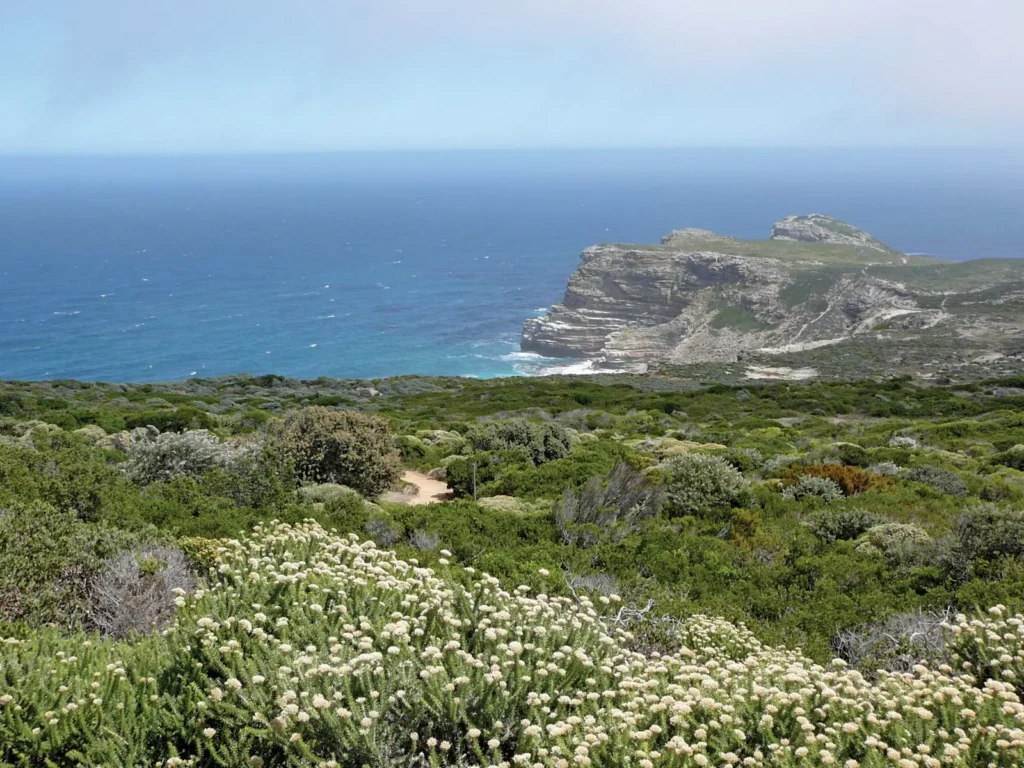
The Mediterranean climate is a typical climate for many people living in Italy, and it’s also something that many others envy. But have you ever wondered what makes this climate so unique? Let’s dive into the world of Mediterranean climates and explore its characteristics, fauna, flora, and where it can be found.
What is a Mediterranean Climate?
The term “Mediterranean” was first used by Köppen to describe the climate that is characterized by hot summers and mild winters. The definition of this type of climate includes having a month with the least amount of precipitation during the summer, which has less than one-third of the total precipitation of the wettest month in winter.
Over time, Salvador Rivas Martínez defined the bioclimatic Mediterranean as one that has at least two consecutive months of dryness. This definition highlights the characteristic feature of a Mediterranean climate: the combination of hot summers and mild winters.
Characteristics of a Mediterranean Climate
The Mediterranean climate is characterized by long periods of dryness in the summer and wet winters with mild temperatures. The climate can be divided into two subtypes: one with hot summers and another with slightly cooler summers. What makes this climate unique is the combination of dry summers and wet winters, which creates an ideal environment for certain types of plants and animals.
One of the most distinctive features of a Mediterranean climate is the way it affects the water cycle. The ocean plays a significant role in shaping the climate, and its cooling effect during hot summer days helps to moderate temperatures. This leads to small daily and annual temperature fluctuations.
Another characteristic feature of a Mediterranean climate is the precipitation pattern. During the winter months, the region experiences increased precipitation due to the prevailing westerly winds and the warm ocean currents off the coast. In contrast, the summer months are characterized by drought due to the lack of cloud cover and the warmth of the air.
Fauna of the Mediterranean Climate
The Mediterranean climate is home to a diverse range of fauna, including many bird species that migrate from colder regions. Some examples include rondinis, gabbiani, aironi, and cicogne. These birds are attracted to the region’s mild winters and abundant food sources during the spring and summer.
In addition to birds, the Mediterranean climate is also home to a variety of mammals, such as bovines and ovines, which can thrive in the mild winters. The region’s wetlands and coastal areas provide habitats for other animals, including fish, crustaceans, and mollusks.
However, the Mediterranean climate also presents challenges for certain plant species. For example, the macchia mediterranea (Mediterranean shrubland) is adapted to dry conditions but can be stressed by livestock grazing. Other plants, like aromatic herbs such as salvia, timo, and rosmarino, are often found in areas where animals cannot reach them.
Flora of the Mediterranean Climate
The Mediterranean climate has been cultivated for centuries, thanks to human ingenuity in irrigation systems that utilize both surface water and groundwater. This has enabled people to grow crops like olives, grapes, citrus fruits, and cereals. When not cultivated, the land can be covered with forests or shrublands, creating a characteristic landscape.
In areas where the Mediterranean climate is present, you’ll find classic Mediterranean plants like olive trees, lemon trees, and cypress trees. These plants are adapted to the dry summers and mild winters, making them ideal for this type of climate.
The Mediterranean flora also includes other plants that have evolved to thrive in these conditions, such as scrub oaks, juniper trees, and evergreen shrubs. The region’s unique combination of soil types, moisture levels, and sunlight patterns has created a rich tapestry of plant species that are well adapted to this type of climate.
Where Can You Find a Mediterranean Climate?
The Mediterranean climate can be found in areas that have access to the Mediterranean Sea. This includes parts of Italy’s southern region, the Spanish coast, France’s southeastern coast, the Balkan Peninsula, and Crimea.
In Italy, you’ll find the Mediterranean climate on the Ligurian and Tyrrhenian coasts, as well as on the Adriatic coast south of the Conero region. The Mediterranean climate is also prevalent in Sicily and Sardinia, with some areas experiencing cold winters due to their elevation.
Other countries that experience a Mediterranean climate include Greece, Turkey, Lebanon, Syria, Israel, Palestine, Jordan, and parts of North Africa. However, it’s worth noting that the climate can vary significantly depending on the location within a country, with some areas receiving more precipitation or having hotter summers than others.
Regional Variations
While the Mediterranean climate is characterized by hot summers and mild winters, there are regional variations that set it apart from other climates. For example:
- The coastal regions of Italy, Greece, and Turkey experience a milder climate due to the cooling effect of the ocean.
- The southern parts of Spain and Portugal have a more arid climate, with less precipitation than the northern regions.
- The Balkan Peninsula experiences a more continental climate, with colder winters and hotter summers than the coastal regions.
Inland Areas
While the Mediterranean climate is often associated with coastal areas, there are also inland regions that experience this type of climate. These areas are typically located in valleys or basins that receive significant moisture from nearby rivers or lakes.
Some examples of inland areas with a Mediterranean climate include:
- The Po Valley in northern Italy
- The Rhine Valley in Germany and France
- The Danube Valley in Eastern Europe
However, it’s worth noting that these regions may not experience the same level of dryness as coastal areas during the summer months, due to the influence of nearby water bodies.
Conclusion
In conclusion, the Mediterranean climate is a unique and fascinating topic that encompasses both its characteristics and the plants and animals that thrive within it. By understanding this climate’s features, we can better appreciate the intricate relationships between the environment and the species that inhabit it.
The Mediterranean climate has been shaped by millions of years of geological history, with the region experiencing tectonic activity, erosion, and deposition that have created its unique geography and climate.
As we continue to explore the world of Mediterranean climates, it’s clear that there is still much to learn about this complex and dynamic system. Whether you’re interested in the plants and animals that call this climate home or simply want to understand how it shapes our daily lives, there’s always more to discover about the fascinating world of Mediterranean climates.
Frequently Asked Questions (FAQs)
- What are the main differences between Mediterranean climates?
The main difference lies in their hotness during summer months: one is hotter while the other is slightly cooler. - Can the Mediterranean climate be found inland?
While rare, it can occur within areas that receive significant moisture from the sea or nearby rivers. - How does the ocean influence the Mediterranean climate?
The ocean plays a crucial role by moderating temperatures and influencing precipitation patterns throughout the year. - What plants are commonly adapted to Mediterranean climates?
Some examples include olive trees, lemon trees, cypress trees, and herbs such as salvia, timo, and rosmarino. - Can you find forests in Mediterranean climates?
Yes, there can be forested areas where the climate is suitable for tree growth. - Is it true that livestock farming challenges plant growth in Mediterranean climates?
Livestock grazing can indeed affect certain plant species due to soil compaction and nutrient consumption. - What regions experience cold winters due to their elevation?
Some Mediterranean coastal areas experience cold winters, such as parts of southern Italy and Sicily. - Can you find the Mediterranean climate outside of Europe?
While rare in nature, artificial environments like greenhouses can mimic this type of climate.
I hope you enjoyed learning about the fascinating world of Mediterranean climates!


