
Meditation is a practice that has been around for thousands of years, originating in ancient Eastern cultures such as Buddhism and Hinduism. It has gained immense popularity worldwide in recent decades, with millions of people incorporating meditation into their daily lives. The benefits of meditation are numerous and well-documented, ranging from reduced stress and anxiety to improved mental clarity and focus. In this article, we will explore the world of meditation, covering how to approach it, its various benefits, and provide a comprehensive guide on getting started with guided meditation.
Getting Started with Guided Meditation
The best way to start practicing meditation is through guided meditation, which involves following a path where an instructor guides you through exercises of increasing difficulty in the correct manner, handling distractions such as background noise or emerging thoughts that divert attention from meditation. Typically, it begins with a focused breathing exercise, an ideal starting point for approaching meditation.
To get started, sit comfortably with a relaxed body and focus on your breath. However, it’s essential to note that meditation is not about learning techniques of breathing; instead, breathing is a tool used to begin meditation. There are numerous free audio tracks available online, as well as apps specifically designed for meditation.
One such track is “10% Happier” which I am using, featuring 7-day courses with audio tracks created by Joseph Goldstein, an experienced meditation teacher since 1974 and co-founder of the Insight Meditation Society. After completing the 7 days, you can decide whether to continue under a dedicated coach for a monthly fee of $9.99 or continue on your own or abandon meditation.
Another great resource is Niccolò Angeli’s music, which can be found at his official website: http://infinitemandala.com/. His music creates the perfect ambiance for focusing and reducing distractions while practicing meditation.
The Science Behind Meditation
Meditation has been extensively studied in scientific research, with numerous studies demonstrating its benefits on both physical and mental health. The brain is capable of reorganizing itself by forming new connections between neurons, a process known as neuroplasticity. This can lead to improved cognitive function, including enhanced focus and concentration.
In addition, meditation has been shown to affect the body’s autonomic nervous system (ANS), which regulates various bodily functions such as heart rate, blood pressure, and digestion. By calming the ANS through relaxation techniques, meditation can help reduce stress and anxiety, promoting a sense of well-being.
Benefits of Meditation
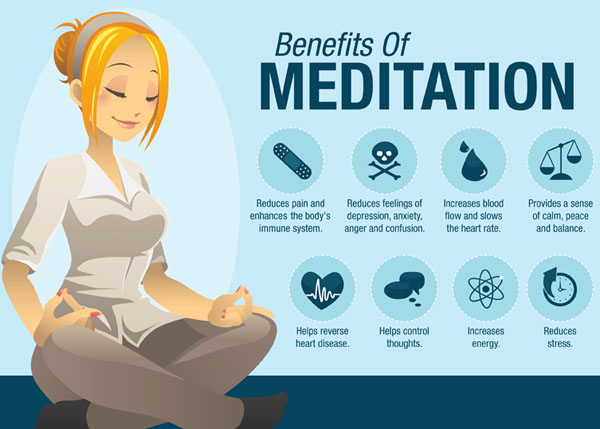
The benefits of meditation are numerous and far-reaching, impacting both physical and mental health. Some of the most significant advantages include:
- Reduced Stress and Anxiety: Meditation has been shown to decrease the production of stress hormones such as cortisol, leading to a calmer state of mind.
- Improved Mental Clarity and Focus: Regular meditation practice can improve concentration and reduce mind-wandering, allowing for greater productivity and efficiency.
- Enhanced Self-Awareness: Meditation encourages self-reflection, helping individuals become more aware of their thoughts, emotions, and behaviors.
- Better Sleep Quality: Regular meditation practice has been linked to improved sleep quality, duration, and depth.
- Boosted Immune System: Studies have shown that meditation can strengthen the immune system by reducing inflammation and increasing antibody production.
- Increased Emotional Regulation: Meditation helps individuals become more aware of their emotions, enabling better regulation and management.
Getting Started with Mindfulness Meditation
Mindfulness meditation is another type of meditation that involves focusing on the present moment, without judgment or attachment. This practice encourages individuals to cultivate awareness of their thoughts, feelings, and bodily sensations, promoting a sense of calm and well-being.
To get started with mindfulness meditation, follow these steps:
- Find a quiet, comfortable space where you can sit without distractions.
- Close your eyes and take a few deep breaths, feeling the air enter and leave your nostrils.
- Focus on the sensation of each breath as it enters and leaves your body, observing any changes in your breathing pattern.
- Gradually expand your focus to include other aspects of your experience, such as sights, sounds, and sensations in your body.
Tips for Establishing a Meditation Practice
- Start small: Begin with short meditation sessions (5-10 minutes) and gradually increase the duration as you become more comfortable with the practice.
- Make it consistent: Aim to meditate at the same time each day, ideally first thing in the morning or before bed.
- Find a supportive community: Join a local meditation group or online community to connect with others who share your interest.
- Be patient: Meditation is a skill that takes time and practice to develop; be gentle with yourself if you experience difficulties or setbacks.
Common Challenges and Solutions
- Difficulty settling down: Start with guided meditations, which can help you get started with the right tone and pace.
- Restless mind: Try focusing on your breath, a mantra, or a physical sensation in your body to calm your mind.
- Physical discomfort: Experiment with different sitting positions or use a meditation cushion for support.
Conclusion
Meditation is a powerful tool that can have a profound impact on both physical and mental health. By incorporating meditation into your daily routine, you can experience reduced stress and anxiety, improved mental clarity and focus, enhanced self-awareness, better sleep quality, boosted immune system, increased emotional regulation, and more.
Whether you’re a seasoned meditator or just starting out, the key is to be consistent and patient. With time and practice, meditation can become an integral part of your daily life, leading to a greater sense of calm, clarity, and overall well-being.


