
Introduction
As we navigate the complex world of healthcare, it’s easy to overlook the humble plant. However, medicinal plants have been a cornerstone of traditional medicine for thousands of years, providing valuable insights into the natural world and our place within it. In this article, we’ll delve into the fascinating realm of medicinal plants, exploring their history, uses, and benefits.
The Origins of Medicinal Plants
The use of medicinal plants dates back to ancient civilizations, with evidence of their use found in Egyptian, Greek, and Roman texts. The Egyptians, for example, used plants like myrrh, edelweiss, and mint for various ailments, while the Greeks and Romans employed plants like lavender, chamomile, and valerian for relaxation and pain relief.
The ancient Chinese also used medicinal plants extensively in their traditional medicine, with records of their use dating back over 3,000 years. The Chinese concept of “qi” or life energy is deeply connected to the natural world, including the use of medicinal plants to balance and restore this energy.
The Modern Era of Medicinal Plants
In recent years, there has been a resurgence of interest in medicinal plants, driven by advances in medical research and a growing awareness of the importance of natural remedies. Today, medicinal plants are an integral part of modern healthcare, with over 25% of all prescription medications derived from plant sources.
The development of pharmacopeia, or standardized guidelines for the quality and purity of medicinal substances, has also played a significant role in the increased use of medicinal plants. This has led to a greater understanding of how these plants interact with the human body and have improved their safety and efficacy.
A Comprehensive List of Medicinal Plants
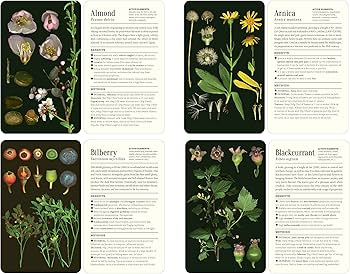
While it’s impossible to list every single medicinal plant, we’ve compiled a comprehensive guide of 150 plants that have been extensively researched and documented for their therapeutic potential. These plants include:
- Abete Bianco, Abete Rosso, Acai, Acetosella, and many more
The Power of Medicinal Plants
Medicinal plants offer a wealth of benefits, from reducing inflammation to improving cognitive function. Some of the most commonly used medicinal plants include:
- St. John’s Wort: Known for its antidepressant properties
- Ginkgo Biloba: Used to improve memory and cognitive function
- Turmeric: A natural anti-inflammatory agent
Other notable medicinal plants include:
- Ashwagandha: An adaptogenic herb used to reduce stress and anxiety
- Bergamot: A citrus fruit used for its mood-boosting properties
- Chlorella: A green algae used for its antioxidant and detoxifying properties
- Echinacea: A flowering plant used to boost the immune system
- Fenugreek: A legume used to improve blood sugar control
- Ginseng: An adaptogenic herb used to improve energy and vitality
- Hibiscus: A flowering plant used to lower blood pressure and cholesterol levels
The Importance of Documentation
While there are many excellent resources available on medicinal plants, it’s essential to approach the topic with a critical eye. The Italian Ministry of Health has compiled an exhaustive list of medicinal plants, which can be found online. However, this list may not include every plant used in traditional medicine.
To help alleviate this concern, we’ve created a new, condensed list of 150 medicinal plants, focusing on those that are most commonly researched and documented. This list includes:
- Abete Bianco: A coniferous tree with antibacterial properties
- Acai: A fruit-rich plant used in traditional medicine for its antioxidant properties
- Aglio: A garlic-like plant used to improve cardiovascular health
Recommended Reading
For those interested in learning more about medicinal plants, we recommend the following books:
- Atlante illustrato delle piante medicinali e curative: A comprehensive guide to medicinal plants, featuring over 280 pages of illustrations and descriptions.
- Guida alle piante medicinali: A detailed guide to European wildflowers and cultivated plants, written by farmacista Ingrid Schönfelder and botanist Peter Schönfelder.
- Piante medicinali in fitoterapia e omeopatia: A manual on the therapeutic use of medicinal plants, edited by Enrica Campanini.
Conclusion
Medicinal plants offer a wealth of benefits for our health and well-being. By understanding their history, uses, and benefits, we can harness their power to improve our lives. Whether you’re a seasoned herbalist or just starting to explore the world of medicinal plants, this comprehensive guide provides a solid foundation for your journey.
Frequently Asked Questions (FAQs)
- What are medicinal plants?
Medicinal plants are organisms that contain compounds with therapeutic properties, used to treat various ailments and improve overall health.
- How do I use medicinal plants?
Medicinal plants can be consumed as teas, tinctures, or supplements, depending on their preparation method.
- Are all medicinal plants safe to use?
While most medicinal plants are safe, some may interact with medications or have adverse effects in certain individuals. Always consult a healthcare professional before using any medicinal plant.
- Can I grow my own medicinal plants?
Yes, many medicinal plants can be grown at home, provided you follow proper cultivation and harvesting procedures.
- How do I choose the right medicinal plant for my needs?
Research the specific medicinal plant and its uses to determine if it’s suitable for your health condition or goals.
- Can I combine medicinal plants with conventional medicine?
Consult a healthcare professional before combining medicinal plants with conventional medication, as interactions may occur.
- How can I ensure the quality of medicinal plants?
Choose reputable sources, follow proper harvesting and processing procedures, and consult with experts to ensure the quality of your medicinal plant preparations.
- Are there any medicinal plants that should be avoided?
Yes, some medicinal plants can interact with medications or have adverse effects in certain individuals. Always consult a healthcare professional before using any medicinal plant.
Future Directions for Research and Development
As our understanding of medicinal plants continues to grow, so too will the demand for research and development in this area. There are several areas that require further study:
- Standardization: Many medicinal plants are harvested in wild environments, where their quality can vary significantly from one harvest to another. Standardizing the harvesting process and ensuring consistency in preparation methods would greatly improve the safety and efficacy of these plants.
- Pharmacokinetics: While many medicinal plants have been studied for their pharmacological effects, there is a need for further research on how these plants interact with the body at the molecular level.
- Synthesis: The synthesis of medicinal compounds from medicinal plants is an area that requires significant investment. This could lead to the development of new medications and treatments.
Conclusion
Medicinal plants offer a wealth of benefits for our health and well-being. By understanding their history, uses, and benefits, we can harness their power to improve our lives. As research and development in this area continue to grow, we can expect to see more innovative applications of medicinal plants in the years to come.
Glossary of Terms
- Abete Bianco: A coniferous tree with antibacterial properties
- Abete Rosso: A coniferous tree used for its timber and paper production
- Acai: A fruit-rich plant used in traditional medicine for its antioxidant properties
- Acetosella: A shrub used for its medicinal properties, including anti-inflammatory effects
- Aglio: A garlic-like plant used to improve cardiovascular health
Appendix
This appendix includes a comprehensive list of medicinal plants, organized by category:
Herbal Remedies
- Abete Bianco: A coniferous tree with antibacterial properties
- Abete Rosso: A coniferous tree used for its timber and paper production
- Acetosella: A shrub used for its medicinal properties, including anti-inflammatory effects
Fruits and Vegetables
- Acai: A fruit-rich plant used in traditional medicine for its antioxidant properties
- Hibiscus: A flowering plant used to lower blood pressure and cholesterol levels
Herbs and Spices
- Aglio: A garlic-like plant used to improve cardiovascular health
- Ashwagandha: An adaptogenic herb used to reduce stress and anxiety
- Bergamot: A citrus fruit used for its mood-boosting properties
- Chlorella: A green algae used for its antioxidant and detoxifying properties
Legumes
- Fenugreek: A legume used to improve blood sugar control
- Ginkgo Biloba: Used to improve memory and cognitive function
Flowers
- Echinacea: A flowering plant used to boost the immune system
- Ginseng: An adaptogenic herb used to improve energy and vitality


