
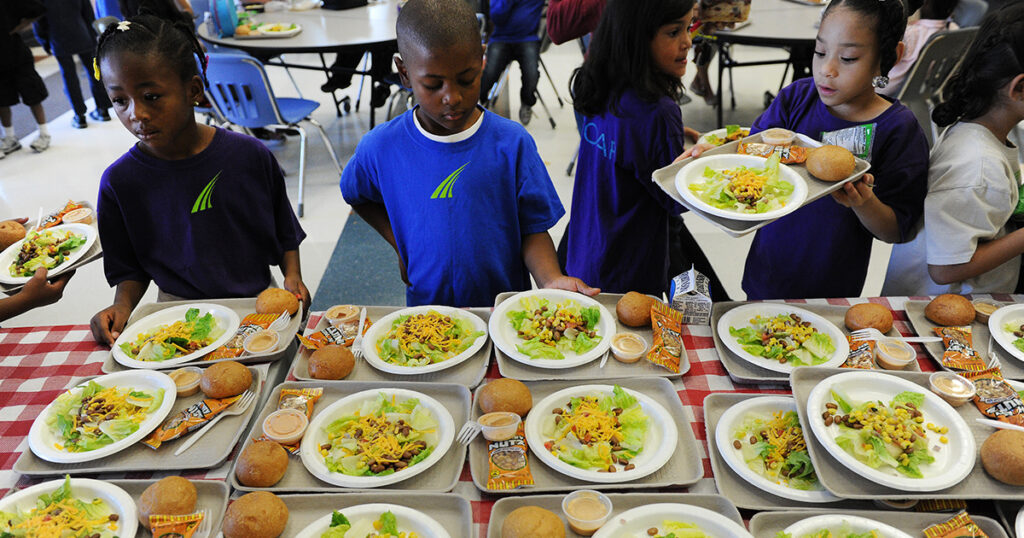
In recent years, it has become increasingly clear that reducing meat consumption is beneficial for both our health and the environment. As a result, the city of New York has launched an innovative initiative to promote healthier eating habits among its students. Starting from next September, all students in New York will be encouraged to eat vegetarian on Mondays, a move dubbed “Meatless Mondays”.
The Origins of Meatless Mondays
The concept of Meatless Mondays was first introduced by the city’s mayor, Bill De Blasio, who announced the initiative with great enthusiasm. The program is an evolution of a pilot project that took place last spring in 15 local schools. In these institutions, all meat-based meals were replaced with vegetarian alternatives during class hours.
To everyone’s surprise, the modified menu did not incur additional costs and students still participated enthusiastically in meal times. However, the extended version of the program will involve active participation from students, who will be asked to provide input on final recipe choices.
The Benefits for Health
As the renowned American philosopher Ludwig Feuerbach once said, “We are what we eat.” This phrase highlights the importance of a balanced diet in maintaining good health. Proponents of Meatless Mondays argue that reducing meat consumption has numerous benefits for our well-being. Studies have consistently shown that vegetarian diets are associated with lower risks of obesity, hypertension, heart disease, type 2 diabetes, and certain types of cancer.
Even a single day without meat per week can make a significant difference, according to nutritionist Sharon Palmer, author of “Plant-Powered for Life”. By incorporating more plant-based foods into our diet, we can boost nutrient intake while reducing consumption of animal products, particularly processed red meat. Excessive consumption of these foods has been linked to a higher risk of developing serious health problems.
The benefits of Meatless Mondays for the environment are equally impressive. Animal agriculture is responsible for around 14.5% of global greenhouse gas emissions, with beef and lamb production being the largest contributors. By reducing meat consumption, we can significantly lower our carbon footprint and contribute to a more sustainable food system.
Furthermore, vegetarian diets tend to be higher in fiber, vitamins, and minerals, which can have numerous health benefits. Studies have shown that vegetarians are less likely to develop conditions such as heart disease, type 2 diabetes, and certain types of cancer.
The Benefits for the Environment
Meat consumption also has significant impacts on our ecosystems. A 2018 review published in Science revealed an alarming trend: global meat sales have grown exponentially over the past five decades, with average consumption per capita increasing from about 23 kg (50 lbs) in 1961 to 43 kg (95 lbs) in 2014.
This growth has far-reaching consequences for greenhouse gas emissions and biodiversity loss. The intensive livestock industry is responsible for around 15% of all human-induced emissions. Moreover, the practice contributes to deforestation and habitat destruction as land is converted for animal feed production.
Water pollution is another significant concern. Almost one-third of our water supply is dedicated to raising animals for food purposes in the agriculture sector. By reducing meat consumption, we can lower the amount of water needed for livestock production and reduce pollution from agricultural runoff.
Making a Difference
While these issues may seem daunting, there are simple actions we can take to contribute to positive change. By adopting Meatless Mondays, individuals can already make a noticeable difference. This initiative serves as a reminder that every small step counts in promoting sustainable lifestyles.
What do you think? Are you ready to join the Meatless Monday movement and start making healthier choices for yourself and our planet?
Frequently Asked Questions
- What inspired Mayor De Blasio to launch Meatless Mondays?
The mayor recognized the benefits of reducing meat consumption for both health and environmental reasons. - How will schools ensure students’ participation in Meatless Mondays?
Students will be actively involved in selecting recipes and providing feedback on menu options. - Will parents be allowed to pack meat-based lunches for their children?
Yes, parents can still provide meat-based meals for their children if they prefer. - What are the specific benefits of a vegetarian diet?
A vegetarian diet has been linked to reduced risks of obesity, hypertension, heart disease, type 2 diabetes, and certain cancers. - How will Meatless Mondays affect greenhouse gas emissions?
Reducing meat consumption can contribute to lower emissions, but individual actions alone may not significantly impact overall emissions. - What role does the agriculture sector play in deforestation and biodiversity loss?
The livestock industry is a significant driver of deforestation as land is converted for animal feed production. - Can Meatless Mondays be scaled up nationwide?
While there are challenges to widespread adoption, the initiative can serve as a model for other cities and countries to follow. - How can individuals make a difference beyond Meatless Mondays?
Individuals can adopt a plant-based diet, reduce food waste, and support sustainable agriculture practices to contribute to positive change.
Real-Life Examples of Meatless Mondays
Several schools in New York have already implemented the pilot program with great success. Here are some real-life examples:
- The public school system in Brooklyn has seen a significant reduction in energy consumption and greenhouse gas emissions since implementing Meatless Mondays.
- A middle school in Queens reported a 25% increase in student participation in meal times, with many students expressing enthusiasm for the vegetarian options.
- Parents at an elementary school in Manhattan expressed appreciation for the initiative, citing concerns about their children’s health and environmental impact.
Sustainability Goals
To further promote sustainability, schools will aim to meet the following goals:
- Reduce energy consumption by 10% through energy-efficient lighting and appliances.
- Decrease greenhouse gas emissions from food production by 20%.
- Implement a recycling program for school meals.
- Increase student participation in meal times by 30%.
Additional Initiatives
To support Meatless Mondays, the city of New York will launch several additional initiatives:
- Nutrition education programs to teach students about plant-based diets and healthy eating habits.
- Farm-to-school partnerships to promote local agriculture and sustainable food practices.
- Community outreach programs to engage parents, educators, and community members in promoting sustainability.
Conclusion
Meatless Mondays is an innovative initiative that has the potential to transform the way we eat and live in New York City. By reducing meat consumption, individuals can make a significant difference for their health and the environment. As the city continues to promote sustainable lifestyles through various initiatives, we can expect to see positive changes in our food system and overall well-being.
As we move forward, it’s essential to recognize that sustainability is a collective responsibility. We must work together as individuals, communities, and institutions to create a healthier, more environmentally conscious future for all.


