
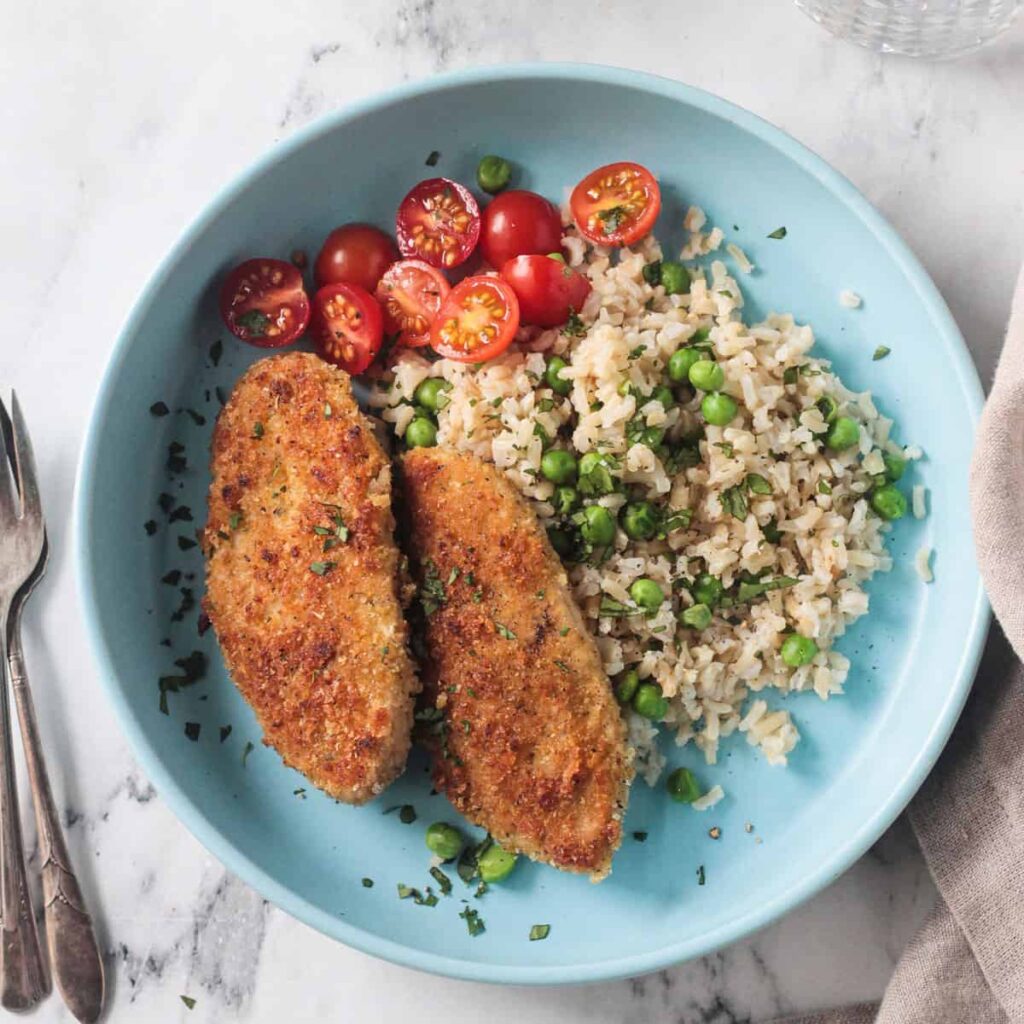
As we explore ways to substitute meat in our diets, vegetarian cotolettes have emerged as a popular alternative. These plant-based cotolettes are made with ingredients like seitan, millet, soy, and others, making them a great option for those looking to reduce their meat intake.
The Rise of Vegetarian Cotolette in Commerce
Vegetarian cotolettes can be found in stores with ease, and several brands have gained popularity. Valsoia is one such brand that offers vegetarian cotolettes, although they are not suitable for vegans due to the presence of eggs. On the other hand, Kio-Ene’s 100% plant-based cotolettes are vegan-certified by ICEA, making them a great option for those following a vegan diet.
The rise of vegetarian cottolettes in commerce can be attributed to the increasing demand for plant-based products and the growing awareness about the health benefits of a meat-free diet. As consumers become more conscious about their dietary choices, food manufacturers are responding by offering innovative and delicious alternatives to traditional meat-based products.
The Art of Preparing Vegetarian Cotolette
One of the key differences between vegetarian cottolettes and traditional meat-based cottolettes is their texture. The process of preparing these cottolettes involves compacting vegetables with plant-based proteins and adding a small amount of water. This mixture is then heated under high pressure, causing the ingredients to aggregate and resulting in a crispy exterior similar to meat.
The art of preparing vegetarian cottolette requires attention to detail and a thorough understanding of the ingredient interactions. The ratio of vegetable to protein, the type of plant-based proteins used, and the cooking method all play a crucial role in achieving the desired texture and flavor.
The Challenge of Replicating Meat Texture
Vegetarian cottolettes lack the fibrous texture characteristic of animal tissue, which can make them less appealing to consumers who are accustomed to the taste and texture of meat. Researchers are working on developing new compositions and preparation methods to address this issue.
One approach is to use plant-based proteins that mimic the texture of meat, such as pea protein or rice flour. Another strategy is to create a matrix of fibers that provide structure and texture, similar to meat. The LikeMeat project is an example of this, aiming to create cottolette-like products with a similar taste to traditional meat-based cottolettes using plant-based ingredients like lupin flour, pea flour, oats, and soy.
Can You Make Vegetarian Cotolette at Home?
While it’s possible to purchase pre-made vegetarian cottolettes, making them from scratch is also an option. With the right ingredients and techniques, you can create delicious and crispy vegetarian cottolettes in the comfort of your own home.
To make vegetarian cottolette at home, you’ll need a combination of plant-based proteins, vegetables, and water. Some common ingredients used include seitan, millet, soy, and cabbage. You’ll also need to have some basic cooking equipment, such as a pressure cooker or a skillet, to achieve the desired texture and flavor.
Tips for Making Vegetarian Cottolette at Home
- Use a variety of plant-based proteins to achieve the right texture and flavor.
- Experiment with different vegetables and spices to create unique flavor profiles.
- Invest in a good quality pressure cooker or skillet to achieve the desired crispy exterior.
- Don’t overcook the cottolettes, as this can make them dry and tough.
- Practice makes perfect! Don’t be discouraged if your first attempts at making vegetarian cottolette don’t turn out perfectly.
Conclusion
Vegetarian cottolettes have come a long way since their introduction into commerce. With various brands offering plant-based options and researchers working on replicating meat texture, these cottolettes are becoming increasingly popular among consumers. Whether you’re looking for a vegan-friendly option or simply want to reduce your meat intake, vegetarian cottolettes are definitely worth trying.
As the demand for plant-based products continues to grow, it’s likely that we’ll see even more innovative and delicious vegetarian cottolette options emerge in the market. So, next time you’re at the grocery store, be sure to check out the vegetarian cottolette section and give these tasty treats a try!
Frequently Asked Questions
-
What makes vegetarian cotolette different from traditional meat-based cotolette?
Vegetarian cottolette lack the fibrous texture characteristic of animal tissue and often contain plant-based proteins and vegetables. -
Can I use any type of vegetable to make vegetarian cottolette?
Not all vegetables are suitable for making vegetarian cottolettes. Some ingredients, like farinaceous plants, may require special processing to achieve the desired texture. -
How do vegetarians make cotolette at home?
Vegetarian cottolettes can be made from scratch using plant-based proteins, vegetables, and water. You can find many recipes online or in cookbooks that offer step-by-step instructions for making vegetarian cottolettes at home. -
Can I use vegan-friendly ingredients to make vegetarian cottolette?
Yes, you can use vegan-friendly ingredients like soy, millet, and pea flour to make vegetarian cottolettes. -
How do researchers replicate the texture of meat in vegetarian cottolette?
Researchers are exploring various methods, including using plant-based proteins, water, and heat, to achieve a crispy exterior similar to traditional meat-based cottolettes. -
Can I find vegan-friendly vegetarian cottolettes in stores?
Yes, several brands offer 100% plant-based vegetarian cottolettes that are certified by organizations like ICEA. -
What is the difference between seitan and vegetarian cottolette?
Seitan is a type of plant-based protein made from wheat gluten, while vegetarian cottolette typically contain a mixture of plant-based proteins and vegetables. -
Can I substitute meat with vegetarian cottolette in any recipe?
While vegetarian cottolettes can be used as a substitute for meat in some recipes, their texture and flavor may vary depending on the specific ingredient combination and cooking method.


