
When it comes to Italian food, you may have come across labels like DOP, IGP, and Prodotto Tradizionale. But what do these terms mean? In this article, we’ll delve into the world of Italian food quality labels, exploring their significance and how they impact your culinary experience.
Introduction
When it comes to Italian food, you may have come across labels like DOP, IGP, and Prodotto Tradizionale. But what do these terms mean? In this article, we’ll delve into the world of Italian food quality labels, exploring their significance and how they impact your culinary experience.
What is DOP?
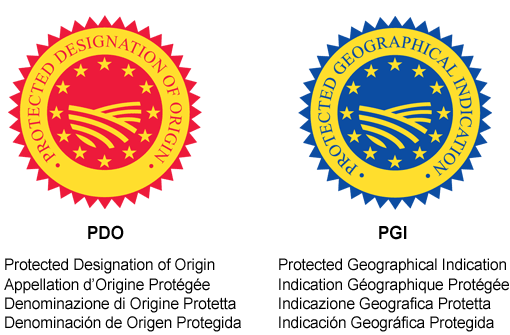
DOP stands for Denominazione di Origine Protetta, which translates to Protected Designation of Origin in English. This label is awarded by the European Union to agricultural and food products originating from a specific region, country, or place. The geographical area that defines a DOP must be delimited and characterized by recognized expertise.
Imagine a traditional Italian recipe passed down through generations. The unique flavor and texture come not only from the ingredients but also from the land where they were grown or produced. This is what DOP products represent – a connection to the soil, climate, and cultural heritage of a specific region.
What is IGP?
IGP stands for Indicazione Geografica Protetta, which means Protected Geographical Indication in English. This label identifies an agricultural or food product originating from a specific region, place, or country. The IGP indicates that the quality of the branded product is attributed to its geographical origin and production processes.
Think of it like this: when you try a wine from Tuscany, you expect a certain flavor profile because of the region’s unique terroir. That’s what IGP products promise – a taste experience linked to their place of origin.
Traditional Products
Prodotto Tradizionale is another category that’s part of Italy’s food quality system. These products must be registered in a list maintained by the Ministry of Agricultural, Food and Forest Policies. To qualify as a Traditional Product, an agricultural or food product must have its working methods, preservation, and aging processes consolidated over time.
The recipe has to be passed down for at least 25 years, ensuring that the production process is uniform across the territory according to traditional rules. This label celebrates Italy’s culinary heritage, acknowledging the importance of preserving traditional techniques and recipes.
Autochthonous Germplasm
The autochthonous germplasm is a registered category in the Ministry’s list, updated annually. It refers to indigenous genetic resources, meaning that each plant has a geographic distribution coinciding with its area of origin and evolution.
In simple terms, this label recognizes plants that are native to a specific region or have been cultivated for centuries without significant external influence. This helps preserve biodiversity and ensures the long-term sustainability of Italy’s agricultural landscape.
Benefits of DOP, IGP, and Traditional Products
So why do these labels matter? Here are some benefits:
- Preservation of cultural heritage: By acknowledging traditional recipes and production methods, we’re preserving a part of our culinary history.
- Quality assurance: These labels guarantee that products meet specific quality standards, ensuring that consumers receive authentic and high-quality food.
- Support for local economies: DOP and IGP products often promote local agriculture, helping to sustain rural communities and preserve traditional ways of life.
The Role of Regulation
Regulations play a crucial role in maintaining the integrity of these labels. The European Union’s Denomination of Origin regulation ensures that DOP products meet strict criteria, including geographical origin, production processes, and quality standards.
Similarly, the Italian Ministry’s list helps track traditional products and autochthonous germplasm, safeguarding their authenticity and availability for future generations.
Conclusion
DOP, IGP, and Traditional Products are more than just labels – they represent a connection to Italy’s rich cultural heritage and culinary traditions. By embracing these quality standards, we’re not only ensuring the preservation of our food culture but also promoting sustainable agriculture and local economies.
Next time you try an Italian product with one of these labels, remember the story behind it – a tale of tradition, terroir, and the passion for good food.
Frequently Asked Questions
- What is the difference between DOP and IGP?
- DOP (Denominazione di Origine Protetta) refers to protected designation of origin, while IGP (Indicazione Geografica Protetta) refers to protected geographical indication.
- How long must a recipe be passed down to qualify as a Traditional Product?
- According to the Ministerial Decree of July 18, 2000, a product is considered traditional if its recipe has been passed down for at least 25 years.
- What is autochthonous germplasm?
- Autochthonous germplasm refers to indigenous genetic resources, meaning that each plant has a geographic distribution coinciding with its area of origin and evolution.
- Why are DOP and IGP products considered quality labels?
- These labels guarantee that products meet specific quality standards, ensuring that consumers receive authentic and high-quality food.
- What is the role of regulation in maintaining the integrity of these labels?
- Regulations ensure that products meet strict criteria, including geographical origin, production processes, and quality standards.
- How can I support local economies by choosing DOP and IGP products?
- By purchasing these products, you’re promoting local agriculture and helping to sustain rural communities.
- What is the significance of preserving traditional recipes and production methods?
- This helps preserve a part of our culinary history and cultural heritage.
- Can I find Traditional Products in my local market?
- Yes, many traditional products are available in your local market or online through specialty stores and food retailers.
The Future of Italian Food Quality Labels
As the demand for authentic Italian products continues to grow, it’s essential that these quality labels remain relevant. The European Union and Italian Ministry must work together to ensure that regulations are updated and enforced effectively.
By embracing DOP, IGP, and Traditional Products, we can:
- Promote sustainable agriculture
- Support local economies
- Preserve our culinary heritage
In conclusion, the significance of DOP, IGP, and Traditional Products cannot be overstated. These quality labels not only guarantee authentic Italian food but also promote a more sustainable food system.
As consumers, we have the power to make informed choices about the products we buy. By choosing DOP, IGP, and Traditional Products, we’re voting for a better future – one that values tradition, terroir, and the passion for good food.
So next time you sit down to enjoy an Italian meal, remember the story behind it. The connection to Italy’s rich cultural heritage, the preservation of traditional recipes, and the promotion of sustainable agriculture are all part of what makes these quality labels truly special.
By embracing DOP, IGP, and Traditional Products, we can ensure that our culinary traditions continue to thrive for generations to come.


