
Introduction
The ancient Maya civilization was known for its sophisticated and sustainable agricultural practices. Their methods and discoveries were highly valued in the history of human evolution, and we will delve into their crops, livestock, and farming techniques to understand how they managed to thrive. The Maya’s approach to agriculture was not only effective but also environmentally conscious, leaving behind a rich legacy that continues to inspire modern farmers and environmentalists.
Maya Agriculture: Crops
It’s not easy to pinpoint the exact types of crops grown by the Maya, but studies of pollen found in lake sediments suggest that they primarily cultivated maize, manioc, sunflower seeds, cotton, sugarcane, sweet potatoes, cacao, and beans. These crops were an integral part of their diet and played a crucial role in their civilization. The Maya’s reliance on maize as their primary crop is well-documented, with some estimates suggesting that up to 90% of their diet consisted of this staple food.
The use of crops like manioc and sweet potatoes suggests that the Maya had access to diverse agricultural systems, allowing them to adapt to changing environmental conditions. Sunflower seeds and cotton are interesting examples of crops that were grown by the Maya for both food and fiber production. Sugarcane was likely used primarily for its juice or as a source of energy.
The Shifting Cultivation Method
One of the Maya’s most impressive farming techniques was the shifting cultivation method, which allowed them to maintain soil fertility while minimizing deforestation. This approach involved rotating crops, using natural fertilizers, and leaving some land fallow to restore its nutrients. This technique not only supported their long lifespan but also allowed them to sustain a healthy population.
By rotating crops, the Maya were able to break disease cycles and improve crop yields, ensuring that their agricultural systems remained productive over time. The use of natural fertilizers like compost and manure helped maintain soil fertility, reducing the need for synthetic fertilizers. Leaving some land fallow allowed the soil to rest and recover from the intensive cultivation practices.
The shifting cultivation method also had significant social benefits, as it allowed farmers to work together on a seasonal basis, promoting social cohesion and cooperation within their communities.
Perennial Crops and Terracing
In addition to crop rotation, the Maya practiced permanent farming with terracing, which enabled them to cultivate land in areas with poor soil quality. They also employed agroforestry practices, alternating fields with forests, to maintain ecosystem balance.
Terracing allowed the Maya to create flat plots of land on sloping hillsides, increasing their agricultural productivity and reducing soil erosion. This technique not only improved crop yields but also provided a more stable source of food for their growing population.
Agroforestry practices were another important aspect of the Maya’s agricultural system. By integrating trees into their farming systems, they were able to create diverse ecosystems that supported a wide range of plant and animal species. This approach not only helped maintain ecosystem balance but also provided timber and fuelwood for their communities.
Livestock Management
The Maya were not large-scale livestock farmers, but they did raise a few domesticated animals, such as chickens, ducks, turkeys, guinea pigs, llamas, alpacas, and vicuñas. They also kept dogs as companions and hunting partners. Dogs played a significant role in the Maya’s lives, serving both as guardians of their homes and co-fishermen.
The Maya’s reliance on animals for food and labor was a critical aspect of their agricultural system. By raising domesticated animals, they were able to supplement their diet with protein-rich foods like meat, eggs, and dairy products.
Animal Veneration
The Maya revered many animals, not just those they raised, but also those that roamed free in their territory. The jaguar, eagle, quetzal, deer, snake, monkey, and others were all associated with specific aspects of nature, such as the sun, sky, life, earth, and artistic expression.
The Maya’s reverence for animals was not just a cultural phenomenon but also played an important role in maintaining ecosystem balance. By honoring these creatures, they acknowledged their vital role in supporting the natural world.
Maya Civilization and Agriculture
Many Maya agricultural practices remain relevant today, but they must be adapted to new environmental conditions and modern farming methods. The civilization also had a profound impact on their cultural identity, which continues to evolve in response to changing economic and climatic circumstances.
The Maya’s approach to agriculture was deeply rooted in their spiritual beliefs and values. By honoring the natural world and respecting its rhythms, they were able to create sustainable agricultural systems that supported their community for centuries.
Observations from the Sky: Aerial Photography
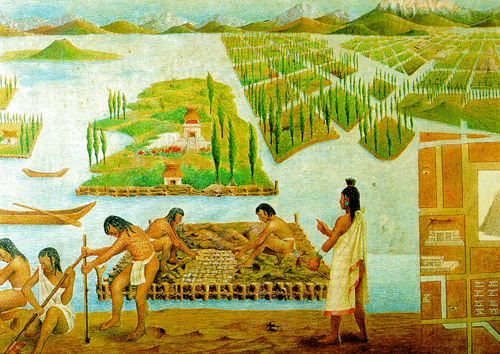
When viewed from above, the Maya’s agricultural landscape reveals a network of elevated fields, canals for irrigation, and areas of dense forest. These aerial photographs offer insight into the civilization’s expertise in land management and their ability to work with nature.
The use of aerial photography provides a unique perspective on the Maya’s agricultural systems, highlighting their sophisticated approach to land management. By analyzing these images, we can gain a deeper understanding of the Maya’s agricultural practices and their impact on the environment.
The Maya’s Respect for Nature
The ancient Maya had a deep respect for the natural world, which guided their agricultural practices. They sought to understand and respect the land, rather than exploiting it, as we see in their use of traditional methods like crop rotation and natural fertilizers. This holistic approach allowed them to achieve remarkable successes.
By respecting nature, the Maya were able to maintain ecosystem balance and create sustainable agricultural systems that supported their community for centuries. Their approach to agriculture serves as a model for modern farmers seeking to adopt more environmentally conscious practices.
Calendar and Astronomy
The Maya’s calendar is a testament to their advanced knowledge of astronomy and mathematics. Their solar calendar was remarkably accurate, with only 17 seconds off from the Earth’s actual rotation period. The Maya also revered a pantheon of gods, which reinforced their connection to the natural world.
The Maya’s calendar system not only provided a framework for organizing time but also served as a tool for understanding the movements of celestial bodies. Their advanced knowledge of astronomy and mathematics allowed them to make accurate predictions about weather patterns, lunar cycles, and other environmental phenomena.
Prayer and Permission: A Pre-Seed Ceremony
Before planting or harvesting crops, the Maya would conduct a ceremony to seek permission from nature for their actions. This practice not only honored the land but also encouraged responsible resource management.
By seeking permission from nature, the Maya acknowledged the interconnectedness of all living things and the importance of respecting the natural world. Their approach to agriculture was deeply rooted in their spiritual beliefs and values.
The Ancient Maya’s Legacy: Sustainable Agriculture Today
The Maya civilization left behind a rich legacy of sustainable agricultural practices that continue to inspire modern farmers and environmentalists. By learning from their expertise in crop rotation, terracing, and natural fertilizers, we can create more resilient and environmentally conscious farming systems for the future.
The Maya’s approach to agriculture serves as a model for modern farmers seeking to adopt more sustainable practices. By embracing these principles, we can reduce our environmental impact while maintaining food security and supporting local communities.
Frequently Asked Questions
- What crops did the Maya primarily grow?
The Maya cultivated a variety of crops, including maize, manioc, sunflower seeds, cotton, sugarcane, sweet potatoes, cacao, and beans. - How did the Maya practice shifting cultivation?
They rotated crops, used natural fertilizers, left some land fallow to restore its nutrients, and minimized deforestation. - What was the significance of terracing in Maya agriculture?
Terracing allowed them to cultivate land in areas with poor soil quality and maintain ecosystem balance through agroforestry practices. - How did the Maya manage their livestock?
They raised a few domesticated animals, such as chickens, ducks, turkeys, guinea pigs, llamas, alpacas, and vicuñas, and also kept dogs for companionship and hunting. - What role did dogs play in Maya society?
Dogs served both as guardians of their homes and co-fishermen. - Which animals were revered by the Maya?
The jaguar, eagle, quetzal, deer, snake, monkey, and others were associated with specific aspects of nature. - How did the Maya’s agricultural practices impact their culture?
Their practices reinforced their cultural identity, which continues to evolve in response to changing environmental and economic circumstances. - What can we learn from the Maya’s approach to agriculture today?
We can apply their traditional methods like crop rotation, terracing, and natural fertilizers to create more resilient and environmentally conscious farming systems for the future.
In conclusion, the ancient Maya civilization left behind a rich legacy of sustainable agricultural practices that continue to inspire modern farmers and environmentalists. By learning from their expertise in crop rotation, terracing, and natural fertilizers, we can create more resilient and environmentally conscious farming systems for the future.


