
Introduction
In the world of tea, few beverages can rival the prestige and sophistication of matcha. Also known as green tea powder or maccha, this finely ground tea has been a staple in Japanese culture for centuries. But what makes matcha so special? In this article, we’ll delve into the history, preparation, and benefits of matcha, as well as explore its various types, quality factors, and where to find it.
What is Matcha?
Matcha is a type of green tea that has been finely ground from the young leaves and stems of the Camellia sinensis plant. Unlike other forms of tea, which are brewed with hot water, matcha is whisked into a frothy, energizing beverage. This labor-intensive process requires great skill and attention to detail, making high-quality matcha a true luxury item.
Preparing Matcha: A Ritual in itself
The preparation of matcha is an art form that requires patience, focus, and dedication. The process begins several days before the tea leaves are harvested, when they are carefully shaded from direct sunlight to slow down their growth and increase the production of chlorophyll. Only the young, tender shoots are then hand-picked for the finest matcha.
Types of Matcha
There are two main types of matcha: ceremonial grade and culinary grade. Ceremonial grade matcha is used in traditional Japanese tea ceremonies and is characterized by its bright green color and delicate flavor. Culinary grade matcha, on the other hand, is used for cooking and baking and has a richer, more complex flavor profile.
Ceremonial Grade Matcha
Ceremonial grade matcha is considered the highest quality of matcha due to its rich history and traditional production methods. Only the finest tea leaves are selected, carefully shaded, and then hand-picked to ensure their optimal growth. The leaves are then dried using a specialized process called “drying in the shade,” which preserves their natural antioxidants and flavor compounds.
Culinary Grade Matcha
Culinary grade matcha is used for cooking and baking and has a richer, more complex flavor profile than ceremonial grade matcha. While it may not be as expensive or rare as ceremonial grade matcha, culinary grade matcha is still made from high-quality tea leaves that have been carefully grown and harvested.
Factors Affecting Matcha Quality
The quality of matcha is determined by several factors, including:
- Leaf selection: Only the youngest, most tender leaves are selected for high-quality matcha.
- Drying process: Leaves must be dried in the shade to preserve their natural antioxidants and flavor compounds.
- Grinding method: Matcha must be ground using traditional stone mills or high-precision machinery to achieve a fine powder.
Properties of Matcha
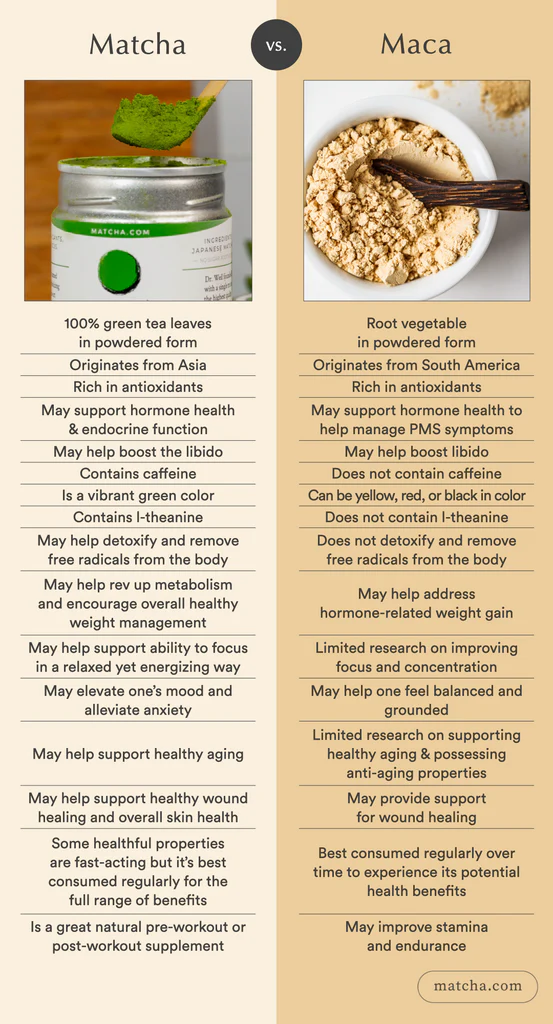
Matcha contains a range of beneficial compounds, including:
- Catechins: powerful antioxidants that have been shown to reduce the risk of certain diseases.
- Carotene: a pigment that gives matcha its characteristic bright green color and has been linked to improved eye health.
- Vitamins A, B, C, and E: essential nutrients that support immune function and overall well-being.
Benefits of Matcha
The benefits of matcha are numerous, including:
- Improved cognitive function
- Enhanced athletic performance
- Antioxidant-rich properties
- Anti-inflammatory effects
Where to Find High-Quality Matcha
When searching for high-quality matcha, look for products that are:
- Biologically grown: This ensures that the tea leaves were cultivated without synthetic pesticides or fertilizers.
- Harvested by hand: Hand-picking ensures that only the highest-quality leaves are selected.
FAQs
Q: How much does matcha cost?
A: The price of matcha can vary greatly depending on quality, quantity, and origin. Expect to pay anywhere from $10 to $50 per ounce (28 grams) for high-end matcha.
Q: Can I grow my own matcha?
A: While it’s technically possible to grow your own tea plants, matcha production requires specific climate and soil conditions that may not be replicable at home.
Q: How do I store matcha?
A: Store matcha in an airtight container away from direct sunlight and moisture to preserve its flavor and aroma.
Q: Can I use matcha for cooking?
A: Yes, but keep in mind that culinary-grade matcha has a more robust flavor than ceremonial grade matcha.
Q: How do I prepare matcha?
A: To prepare matcha, heat water to around 160°F (71°C), then whisk the powder into a frothy liquid using a bamboo whisk or electric frother.



