
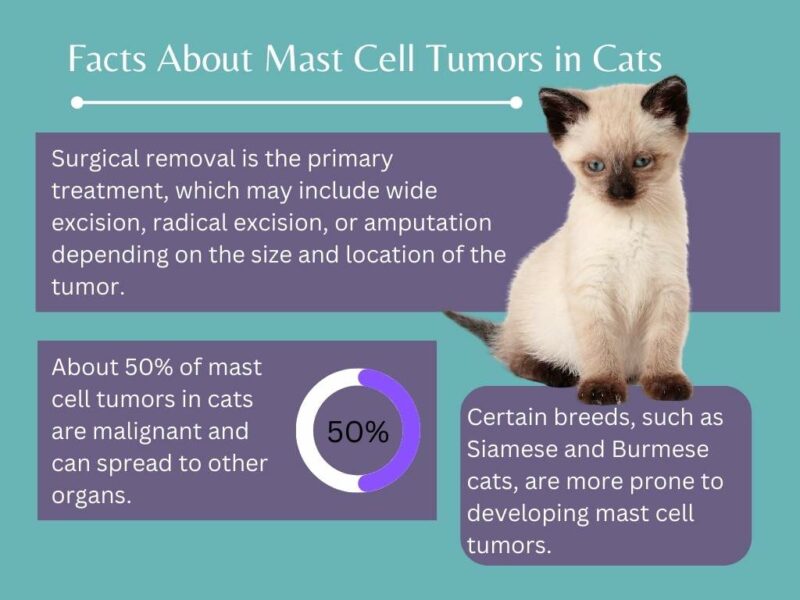
As a responsible cat owner, it’s essential to be aware of the potential health risks associated with your feline friend. One such risk is mastocytoma, a type of tumor that can affect cats. In this article, we’ll delve into the causes, symptoms, and treatment options for mastocytoma in cats.
What is Mastocytoma?
Mastocytoma is a type of cancer that affects cells called mast cells. These cells play a crucial role in the immune system by releasing histamine, which helps to fight off infections. However, when these cells become abnormal and grow out of control, they can form tumors, known as mastocytomas.
Causes of Mastocytoma in Cats
While the exact cause of mastocytoma in cats is still unknown, research suggests that it’s related to genetic factors. The tumor is more common in older cats, with an average age of 10 years at diagnosis. It’s also important to note that most cats with mastocytoma are negative for the feline leukemia virus (FeLV).
There are two forms of mastocytoma: cutaneous and visceral. Cutaneous mastocytomas occur on the skin, while visceral mastocytomas affect internal organs such as the liver, spleen, and lymph nodes.
Symptoms of Mastocytoma in Cats
The symptoms of mastocytoma can be subtle and may resemble those of other diseases. Some common signs include:
- Anorexia (loss of appetite)
- Vomiting
- Splenomegaly (enlarged spleen)
- Diarrhea
- Abdominal masses
If left untreated, mastocytoma can lead to more severe complications, such as organ failure and death.
Treatment Options for Mastocytoma in Cats
The treatment of mastocytoma depends on the form and location of the tumor. In some cases, surgery may be necessary to remove the tumor or affected organs.
- Cutaneous mastocytomas: Surgery can be used to remove the tumor, which can help alleviate symptoms such as itching and hair loss.
- Visceral mastocytomas: Surgery is often required to remove the affected organ(s), which can help prevent further complications.
In some cases, medication may also be prescribed to manage symptoms or prevent the growth of new tumors. Prednisone, a steroid medication, is commonly used in cats with mastocytoma.
Types of Mastocytoma in Cats
There are two main types of mastocytomas: cutaneous and visceral.
- Cutaneous mastocytomas:
- Occur on the skin
- Can be single or multiple nodules
- May appear as red, raised bumps or lesions
- Visceral mastocytomas:
- Affect internal organs such as the liver, spleen, and lymph nodes
- Can cause symptoms such as vomiting, diarrhea, and abdominal pain
Diagnosis of Mastocytoma in Cats
Diagnosing mastocytoma can be challenging, as it may resemble other skin conditions or diseases. However, veterinarians use a combination of clinical examination, physical examination, and diagnostic tests to confirm the diagnosis.
- Clinical examination: Veterinarians will examine your cat’s skin, mouth, and abdomen to look for signs of mastocytoma.
- Physical examination: A thorough physical examination is necessary to assess the size, shape, and location of any tumors or masses.
- Biopsy: A biopsy may be performed to confirm the presence of mast cells and rule out other conditions.
- Imaging tests: X-rays, ultrasound, and computed tomography (CT) scans may be used to visualize the tumor and determine its size and extent.
Prevention of Mastocytoma in Cats
While there is no known way to prevent mastocytoma, regular veterinary check-ups can help detect the disease early on. Additionally, maintaining a healthy lifestyle for your cat, including a balanced diet and regular exercise, may also help reduce the risk of developing mastocytoma.
Feline Health Topics: Other Important Conditions
Mastocytoma is just one of many health conditions that affect cats. Some other important feline health topics include:
- Feline leukemia virus (FeLV)
- Feline immunodeficiency virus (FIV)
- Upper respiratory infections
- Dental problems
- Arthritis
Conclusion
Mastocytoma is a serious health condition that can affect cats. Understanding the causes, symptoms, and treatment options can help you provide the best possible care for your feline friend. If you suspect that your cat may have mastocytoma, consult with a veterinarian as soon as possible.
Frequently Asked Questions
- What is the difference between cutaneous and visceral mastocytomas?
Cutaneous mastocytomas occur on the skin, while visceral mastocytomas affect internal organs. - Can mastocytoma be cured?
While surgery can help manage symptoms and prevent further complications, there is no known cure for mastocytoma in cats. - What are the common symptoms of mastocytoma in cats?
Common symptoms include anorexia, vomiting, splenomegaly, diarrhea, and abdominal masses. - Can prednisone be used to treat mastocytoma in cats?
Yes, prednisone is a commonly prescribed medication for cats with mastocytoma to manage symptoms and prevent the growth of new tumors. - How often do cats develop mastocytoma?
Mastocytoma is relatively rare in cats, affecting only about 3% of neoplastic cases. - Can mastocytoma be prevented?
While there is no known way to prevent mastocytoma, regular veterinary check-ups can help detect the disease early on. - What are the prognostic factors for mastocytoma in cats?
Prognosis depends on various factors, including age, size, and location of the tumor, as well as overall health status. - Can mastocytoma be treated with radiation therapy?
While some veterinarians may consider radiation therapy as an option, it’s not a common treatment for mastocytoma in cats.
If you have any further questions or concerns about mastocytoma in cats, consult with your veterinarian for personalized advice and care.


