
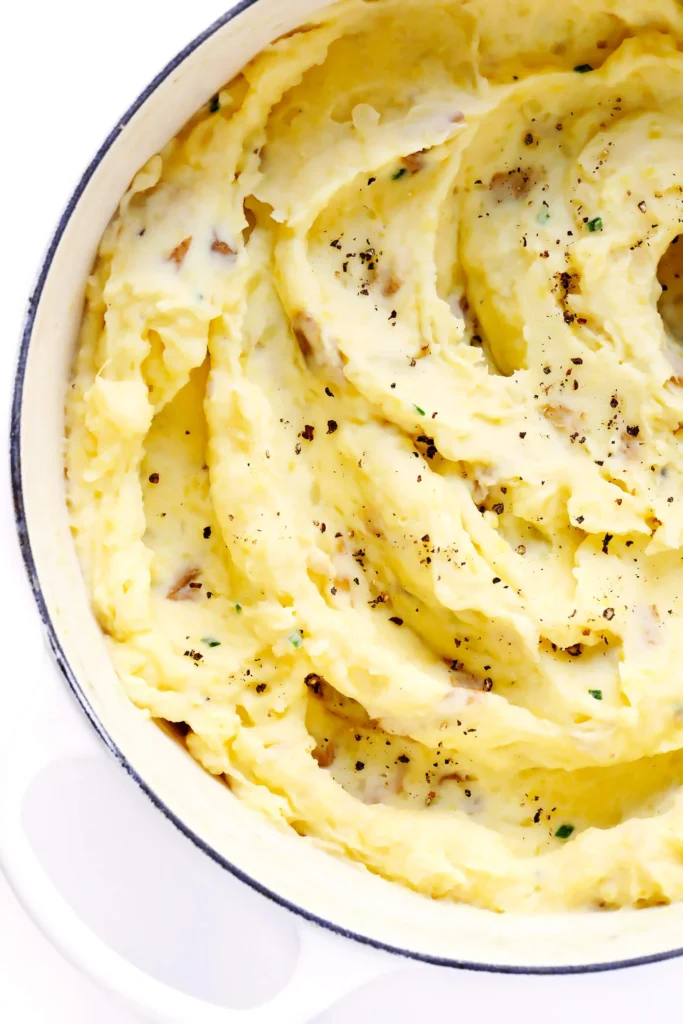
Are you ready to master the art of making a delicious and creamy potato puree? Look no further! In this comprehensive guide, we’ll take you through the process of creating a mouth-watering potato puree that’s sure to impress even the most discerning palates.
Understanding the Basics
Before we dive into the nitty-gritty of making a perfect potato puree, it’s essential to understand the basics. There are three main types of potatoes: red-skinned, yellow fleshed, and white fleshed, each with its unique characteristics that can affect the final product. For a soft and creamy puree, we recommend using red-skinned or white fleshed potatoes.
Choosing the Right Potatoes
When selecting potatoes for your puree, consider the following factors:
- Type: Red-skinned or white fleshed potatoes are ideal for a soft and creamy puree.
- Size: Choose potatoes that are heavy for their size, as they will yield more puree per pound.
- Maturity: Opt for potatoes that are mature but not too old, as they can become too starchy and affect the final product.
Preparing the Potatoes
To ensure even cooking and a smooth puree, it’s crucial to prepare the potatoes correctly. Here are some tips:
- Cutting: Cut all the potatoes into uniform pieces to prevent uneven cooking.
- Peeling: Peel the potatoes to remove any eyes or blemishes that can affect the flavor and texture of the puree.
- Rinsing: Rinse the cut potatoes under cold water to remove excess starch.
Cooking the Potatoes
To achieve the perfect consistency, it’s essential to cook the potatoes correctly. Here are some tips:
- Boiling: Boil the potatoes in salted water until they’re tender when pierced with a fork.
- Steaming: Steam the potatoes over boiling water until they’re tender when pierced with a fork.
- Baking: Bake the potatoes in the oven at 400°F (200°C) for about 45 minutes, or until they’re tender when pierced with a fork.
Achieving the Perfect Consistency
A perfect potato puree should be smooth and creamy, but not too runny or too thick. To achieve this consistency, follow these tips:
- Evaporation: Cook the potatoes for a few minutes longer than usual to evaporate excess moisture.
- Mashing: Mash the cooked potatoes with a gentle stirring motion using a potato masher or fork.
- Adding liquid: Add butter, milk, or cream to achieve the desired consistency.
Adding Flavor and Texture
To add depth and texture to your puree, consider adding:
- A pat of butter: about 200g per 500g of potatoes
- Salt: added to the water when cooking the potatoes
- Herbs and spices: such as garlic, rosemary, or thyme
The key is to taste as you go, adjusting the seasoning to your liking.
Tips for Achieving a Smooth Puree
To ensure a smooth puree, follow these tips:
- Use cold ingredients: Use cold butter, milk, and cream to prevent the puree from becoming too thick.
- Don’t over-mix: Avoid over-mixing the puree, as this can create lumps and an unpleasant texture.
- Add flavor gradually: Add flavorings gradually, allowing each ingredient to meld together before adding the next.
Conclusion
Making a perfect potato puree requires patience, practice, and attention to detail. By following these tips and tricks, you’ll be well on your way to creating a delicious and creamy puree that’s sure to impress even the most discerning palates.
Frequently Asked Questions
- What type of potatoes should I use for a potato puree?
- Red-skinned or white fleshed potatoes are ideal for a soft and creamy puree.
- How do I prevent lumps in my potato puree?
- Use cold ingredients, don’t over-mix, and add flavorings gradually to achieve a smooth texture.
- What’s the best way to add flavor to my potato puree?
- Consider adding a pat of butter, salt, herbs, or spices to enhance the flavor.
- Can I use a high-speed mixer to make a potato puree?
- While it’s possible, using a traditional method like mashing with a pestle will yield better results.
- How do I store leftover potato puree?
- Refrigerate or freeze the puree for up to a week or month, respectively.
- Can I make a potato puree in advance?
- Yes, but be sure to refrigerate or freeze the puree immediately after cooking to prevent spoilage.
- How do I reheat leftover potato puree?
- Reheat the puree gently over low heat, adding a splash of milk or cream if necessary to restore its creamy texture.
- Can I make a potato puree with other ingredients?
- While traditional recipes call for potatoes alone, you can experiment with other ingredients like garlic, herbs, or even sweet potatoes.
By mastering the art of making a perfect potato puree, you’ll unlock a world of culinary possibilities and become the ultimate host, chef, or cook.


